
EXCLUSIVE: Do You Really Need to Eat Breakfast Every Morning?
Share


For decades, breakfast has been described as the most important meal of the day, with many people starting their mornings with tea, bread, porridge or other familiar foods.
Other people regularly delay their first meal or skip it altogether, raising questions about what actually happens inside the body when breakfast does not come.
As eating habits change, the familiar breakfast rule is increasingly being questioned. Does the body really need food every morning, or does the answer depend on what a person eats, their health and how their body responds?
Speaking to Hivileo.co.ke, Dr. Abel Kipkorir Ruto of Catholic Hospital Wamba in Samburu and Dr. Charles Chelimo of Moi Teaching and Referral Hospital in Eldoret offered medical insights into what happens inside the body when people eat breakfast, delay their first meal or regularly skip it.
Breakfast Helps Refuel The Body
Dr. Abel explained that after several hours without food overnight, breakfast helps restore the body’s fuel by providing the brain and muscles with glucose, while supporting energy, focus and appetite control.
“Eating breakfast restocks your body’s fuel after a long night without food, that first meal gives your brain and muscles a fresh supply of glucose, which is why you often feel more alert and steady afterward. It also triggers hormones that tell your brain you’re full, so you’re less likely to feel ravenous an hour later. On the flip side, if you skip it, your blood sugar can dip, and by mid-morning you might find yourself craving sugary or starchy stuff just to get a quick boost. A balanced breakfast, especially one with some protein, helps keep that energy and focus going much longer than a plain piece of bread and sweet tea,” he said.
Beyond restoring energy, Dr. Chelimo explained that the nutritional composition of the morning meal determines the nutrients available to the body, with a balanced combination supporting blood sugar, energy, concentration and physical activity.
“A well-balanced breakfast should provide essential nutrients such as proteins, carbohydrates, healthy fats, vitamins and minerals. These nutrients help stabilize blood sugar levels and provide the body with a steady supply of energy during the morning. A nutritious breakfast also helps support concentration, physical activity and overall body functions as one begins the day,” he said
What Happens When The Morning Fast Continues?
Dr. Chelimo explained that regularly delaying or skipping the first meal extends the period without food, potentially lowering blood sugar as the body makes temporary hormonal and metabolic adjustments and shifts towards using stored fat for energy.
“When someone regularly delays or skips breakfast, their blood sugar levels may drop, especially after going for many hours without food. The body responds by making temporary hormonal and metabolic adjustments, and as the fasting period continues, it can shift from using blood sugar as its main source of energy to using stored fats. However, skipping breakfast may also increase hunger later in the day, which can lead to overeating or consuming larger portions,” he stated.
Meanwhile, Dr. Abel said the extended fasting period can influence hunger hormones and leave some people hungrier later in the day, while also affecting how they feel during the first half of the day.
“When you miss breakfast, your body stays in a fasting state; that means your hunger hormones ramp up, so by lunch you’re often hungrier than you would have been if you had eaten earlier. Over time, regularly skipping that morning meal can throw off your body’s internal clock and how well it handles sugar,” he said.
Also Read: What Happens to the Human Body in the Minutes Before and After Death?
Who May Need Breakfast More?
Dr. Abel explained that the need for breakfast can vary according to age, health status, medication, physical activity and nutritional requirements, meaning some people may benefit more from eating in the morning than others.
“Not everyone absolutely has to eat first thing in the morning, but some people genuinely benefit from it. Kids, teenagers, pregnant women, and older adults usually need that morning nutrition because their bodies are growing, supporting another life, or simply more fragile. People with diabetes should also be careful, since skipping breakfast can make blood sugar harder to manage. The same goes for anyone taking medications that work better with food, like certain GLP-1 drugs. And if you exercise early or have a physically demanding job, you’ll likely perform and feel better with something in your stomach before you start moving,” he said.
Why The Food On The Plate Matters
Turning to the food itself, Dr. Chelimo said the nutritional quality of a morning meal matters more than simply eating something, particularly when familiar meals contain mainly carbohydrate-rich foods.
“What someone eats for breakfast is more important than simply eating something in the morning. Common Kenyan breakfasts often include carbohydrates such as sweet tea, bread, mandazi and chapati, but these may not provide all the nutrients the body needs when eaten alone. It is therefore important to have a balanced meal that combines carbohydrates with protein, healthy fats, vitamins and other nutrients to provide sustained energy and support good nutrition throughout the day,” he said.
A study involving 18,988 adults found that some groups who ate the morning meal had higher intakes of nutrients including fibre, vitamins and minerals compared with people who skipped it.
However, the study was observational and therefore could not prove that eating breakfast itself caused those differences.
Also Read: Endometriosis: What Every Woman Needs to Know About the Condition
When Skipping Becomes A Daily Routine
Dr. Chelimo cautioned that regularly skipping the morning meal can affect a person’s normal eating and metabolic patterns, particularly when going without food increases hunger and contributes to overeating or less healthy food choices later in the day.
“The main thing I would want people to understand is that regularly skipping breakfast can affect their normal eating and metabolic patterns. For some people, going without breakfast can lead to increased hunger later in the day, which may result in overeating or making less healthy food choices. Therefore, before making breakfast skipping a daily habit, people should consider how it affects their energy levels, hunger and overall eating pattern,” he stated.
Follow our WhatsApp channel for instant news updates.
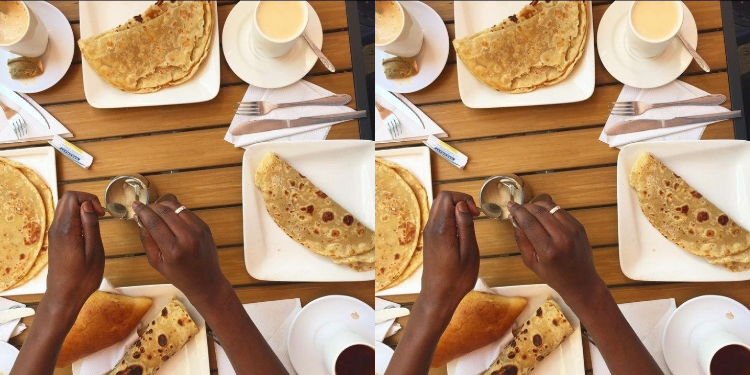
A photo collage of a person taking breakfast of Tea and Chapati. PHOTO/ Pinterest