Is Football Distracting Us From the Real Issues? The Global Debate Behind the Beautiful Game
Share
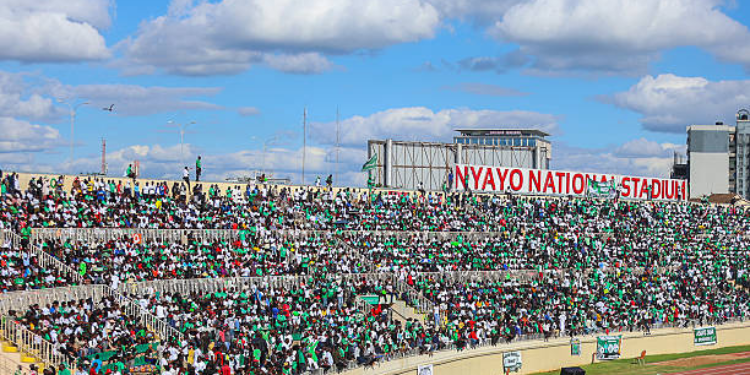
A football match ends after 90 minutes.The conversation rarely does.For millions of supporters around the world, the final whistle is only the beginning.
There are post-match arguments, player ratings, tactical debates, referee controversies, transfer rumours and endless social media posts.
A single goal can dominate conversations for hours, while a controversial decision can keep rival supporters arguing long after the players have left the pitch. For some fans, football is simply entertainment. For others, it is identity.
It can determine friendships, fuel rivalries, and shape how people spend their free time. Some supporters follow their clubs every day, even when there is no match to watch.
This raises a difficult question: as football takes up more of people’s attention, is the beautiful game sometimes distracting the world from more serious issues?
Football is More than a Game
Football has grown into a global culture that extends far beyond stadiums. Fans do not only watch matches. They consume football through television, websites, podcasts, YouTube, TikTok, X, Instagram and other platforms.
They discuss managers, analyse formations, follow injuries and argue over players they may never meet. Research has found that football fandom can become deeply connected to people’s everyday lives and identities.
A 2025 study involving fans in Germany, Norway, Poland and Spain found an association between football fandom and aspects of European identity, highlighting the way the sport can create shared experiences and a sense of belonging.
That emotional connection helps explain why football commands so much attention. A supporter may forget the details of a match played several years ago but still remember exactly where they were when their team scored a decisive goal.
When Rivalry Becomes a Lifestyle
Football rivalries make the relationship even stronger. Manchester United and Liverpool supporters can spend years arguing over which club is bigger.
Arsenal and Chelsea fans rarely need an introduction to their rivalry. Barcelona and Real Madrid have turned their meetings into global events.
The arguments can move from stadiums to workplaces, schools, homes and social media. A defeat can ruin a fan’s evening. A major victory can become a source of celebration for days.
The intensity is part of what makes football commercially powerful. But it also raises a question about attention.
When supporters can spend hours debating a club’s next signing, a referee’s decision or a manager’s future, what happens to the other issues competing for their attention?
The Business Behind the Obsession
Football’s enormous audience has created a commercial ecosystem around supporters. Broadcasters sell access to matches. Clubs sell shirts and merchandise.
Sponsors pay for visibility. Social media platforms benefit from engagement. Betting companies advertise to audiences already emotionally invested in the results.
Football and gambling have become particularly difficult to separate in many markets. A 2025 systematic review published in Addiction examined 22 quantitative studies on sports-related gambling advertising.
The review found evidence linking sports betting advertising with increased gambling frequency, spending, unplanned gambling and the likelihood of gambling, although the researchers also noted limitations in the available evidence.
The scale of football-related gambling advertising can be striking. A University of Bristol study examining the opening weekend of the 2025/26 Premier League season counted 27,440 gambling messages across live match coverage, sports news and radio broadcasts.
Football, therefore, is not only competing for people’s attention. That attention has become something businesses can monetise.
Is the Game an Escape?
For someone struggling with unemployment, rising prices, political frustration or personal problems, watching a match can offer a temporary escape.
For 90 minutes, the biggest concern may be whether a striker scores or whether a goalkeeper makes a mistake. That escape is not necessarily harmful.
People need entertainment. They need communities, friendships and moments when they can forget their problems. Football can provide all three.
The problem begins with a much harder question: when does escape become avoidance? If someone spends hours following football but rarely engages with issues affecting their community, is the sport responsible?
Not necessarily. People choose how they spend their attention, and there is no evidence that every football supporter is less interested in politics or social issues.
But the question remains relevant in a world where people’s attention has become one of the most valuable commodities.
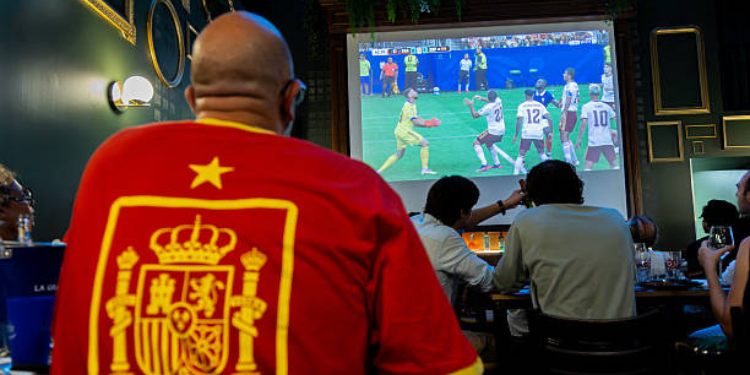
Photo of football fans supporting a match in a local pub
PHOTO/File
Also Read:How Can Football End Stadium Rowdiness? Fans Reveal Their Solutions
The “Bread and Circuses” Argument
The idea that entertainment can distract people from political and social problems is much older than modern football.
Researchers have examined similar questions through the idea commonly associated with “bread and circuses”- the argument that entertainment and material benefits can help governments maintain public satisfaction.
A 2019 study published in the Journal of Experimental Political Science examined sports propaganda in China. Using a survey experiment in two Chinese cities, researchers found that exposure to broadcasts highlighting national sporting achievements increased reported satisfaction and compliance with local governments.
That study does not prove that football distracts people from politics around the world. It does, however, show why sport can have political importance beyond entertainment.
Sport can influence how people feel, what they talk about and how they relate to institutions.But football can also bring politics into the spotlight
There is an Important Contradiction.
Football can distract people from politics, but football can also become a platform for political and social engagement.
Major tournaments attract enormous audiences, allowing political messages to reach people who may not normally follow political news.
Research examining Euro 2024 found that major sporting events can provide a platform for political incidents to reach large audiences.
Researchers in Switzerland studied whether people’s football consumption, news use and social media use were connected to their exposure to and recall of political incidents during the tournament.
Football supporters have also organised around issues beyond the sport itself. A 2026 study on football supporters’ collective action examined how fan movements can connect football-related concerns with wider questions about democracy, citizenship, human rights and civil liberties.
This complicates the idea of football as a simple distraction. The same supporters who spend Saturday afternoon arguing about a match can come together on Sunday to protest an issue they care about.
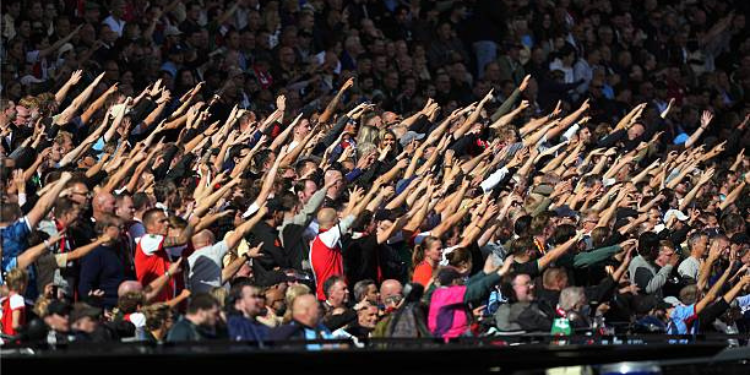
Photo of football fans celebrating a win in a stadium
PHOTO/File
Also Read:Dennis Oliech: Rise, Sacrifices and Fall of a Kenyan Football Star
Then There is Social Media
Football may be even more powerful in the age of algorithms. When a major club wins or loses, supporters immediately create posts, memes, videos, and reactions.
The more people interact with the content, the more football discussions can dominate their online experience. But there is an important distinction.
It is easy to look at a social media timeline after a major match and conclude that an algorithm has pushed everything else aside.
Proving that football content is deliberately being prioritised over political or social issues requires access to platform data.
What can be observed, however, is the enormous amount of content football generates and the willingness of supporters to engage with it.
The question is no longer simply what people are watching.It is what they are not seeing while they are watching it.
What about the person who would rather watch football?For some supporters, the answer is straightforward.
- They are not trying to avoid reality.
- They simply love the game.
They may choose to watch local players train on a field rather than spend an evening discussing politics. They may spend their free time following a club because football gives them happiness, friendships and something to look forward to.
The phrase “football is DNA” captures this relationship. It describes a passion that cannot easily be reduced to entertainment. And that matters because calling football a distraction can sometimes ignore what the sport means to the people who follow it.
The Real Competition is for Attention
Perhaps the issue is not football itself.The bigger issue is attention. Every day, people have a limited amount of time to consume information, entertainment and news.
- Football competes with politics.
- It competes with current affairs.
- It competes with family time, work, education and social issues.
And unlike many other forms of entertainment, football has built an enormous ecosystem designed to keep supporters engaged even when there is no match.
- There is always another fixture.
- Another transfer rumour.
- Another controversy.
- Another debate.
- Another season.
- Another rivalry.
The conversation never really ends.
Follow our WhatsApp channel for more updates

Photo of football fans at Nyayo Stadium entrance being frisked and tickets verification
PHOTO/File