
Pochi Pricing Explained: What Small Businesses Need to Know About Affordability and Value
Share


Small businesses using Pochi La Biashara can now make transactions of up to Ksh 200 for free, up from Ksh 100. Safaricom has also capped charges for transactions above Ksh 200 at Ksh 50 until October 31, 2026, under its PATA MORE campaign.
PATA MORE Popote Ulipo na Safaricom is a customer value proposition, not a new product.
Instead, Safaricom uses the campaign to enhance products and services customers already use by adding value beyond the core service.
For Pochi La Biashara, the campaign transforms the service into a one-stop business wallet for small traders. It enables merchants to receive payments, manage business funds, and access tools that support their enterprises.
How the New Pochi La Biashara Pricing Works
Under the revised pricing, customers can make payments of Ksh 200 or less without a transaction fee during the promotional period.
Meanwhile, Safaricom has capped charges for transactions above Ksh 200 at Ksh 50 for the 90-day period ending October 31, 2026.
Consequently, traders who receive numerous small payments can have more of their daily transactions fall within the free category, depending on the amounts customers send.
What Small Traders Can Access
Beyond the pricing adjustment, Pochi gives merchants access to several services that address different business needs, including:
- Taasi Pochi business credit for eligible merchants.
- Ziidi Pochi for saving and investing.
- Tuunza Mapato insurance to protect income.
- Ofa ya Pochi, with business voice and data bundles from Ksh 10.
- Airtime sales, with earnings of up to 5% commission.
Together, these services allow merchants to use Pochi for more than receiving payments, bringing several financial and business functions into one wallet.
Also Read: What Every Fintech Can Learn From Pochi la Biashara’s Success With Women Entrepreneurs
Keeping Business and Personal Funds Separate
Additionally, Pochi La Biashara allows informal traders to distinguish business money from personal M-PESA funds.
The service supports businesses such as food vendors, kiosk owners, boda boda operators and second-hand clothes dealers.
This separation helps traders identify money generated from sales without mixing it with personal transactions, giving them a clearer view of funds linked to their businesses.
Safaricom’s FY2025 results also showed that Pochi tills increased to 1.15 million, from 632,700 a year earlier, while transaction volumes rose from 494.6 million to 1.38 billion.
What the Change Means for Affordability
Ultimately, the effect of the pricing changes will depend on how each business receives payments.
Traders who handle many smaller payments can benefit from the expanded free threshold, while those processing larger amounts can factor the temporary fee cap into their transaction costs.
Also Read: The Hidden Reason Thousands of Women Entrepreneurs Are Choosing Pochi la Biashara
At the same time, merchants who use services such as eligible credit, savings and investment, insurance, business bundles or airtime sales can access value beyond the payment function.
For the current campaign, Safaricom has therefore combined a wider free transaction threshold with a temporary cap on charges for higher-value Pochi transactions, giving small traders a pricing change alongside additional business tools.
Follow our WhatsApp channel for instant news updates
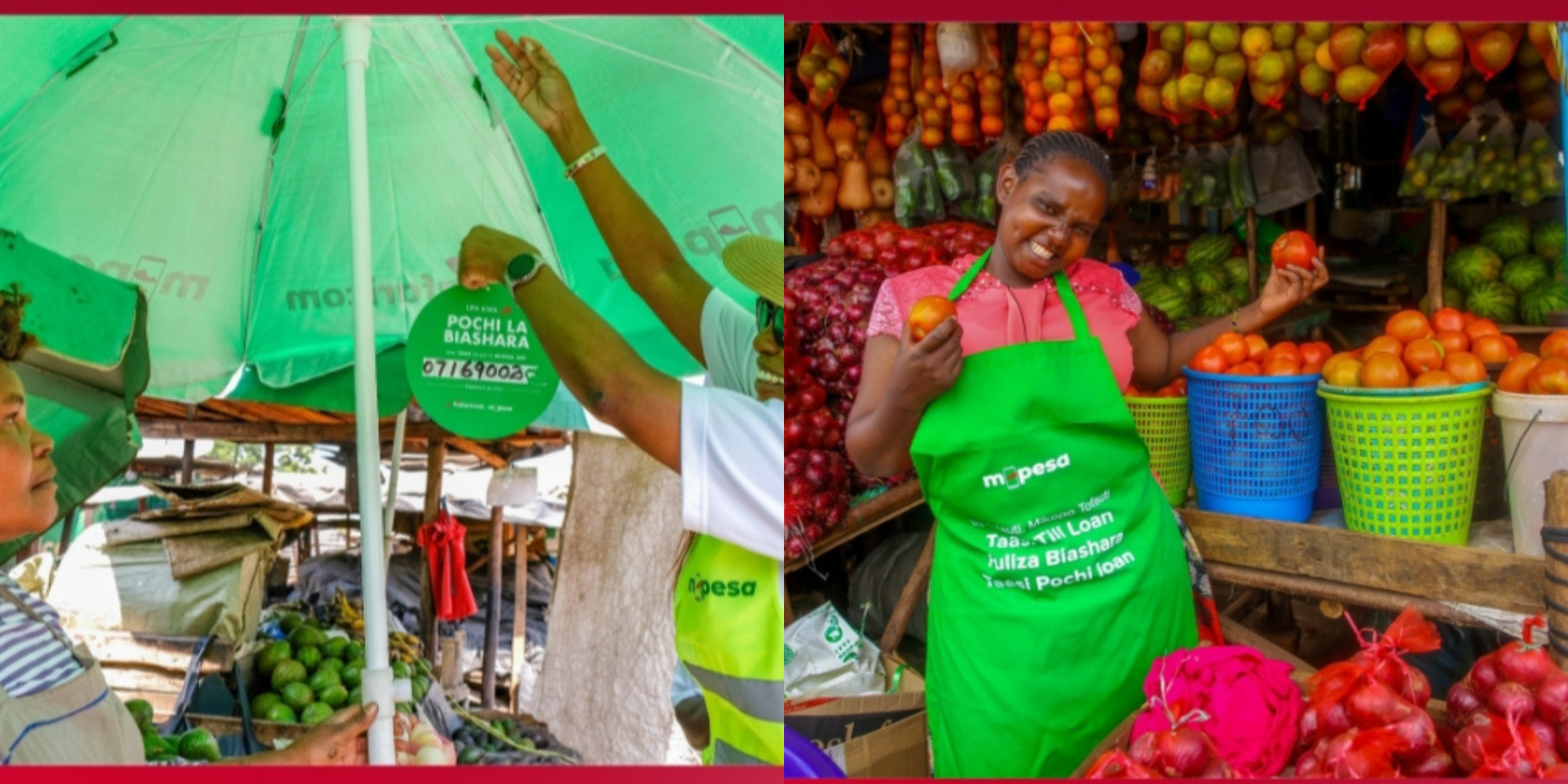
A collage photo of Pochi La Biashara and Women Micro-Entrepreneurs in Kenya. PHOTO/Safaricom