
Abel Mutua Opens Up on Brother Raphael’s Addiction Struggle and Death
Share
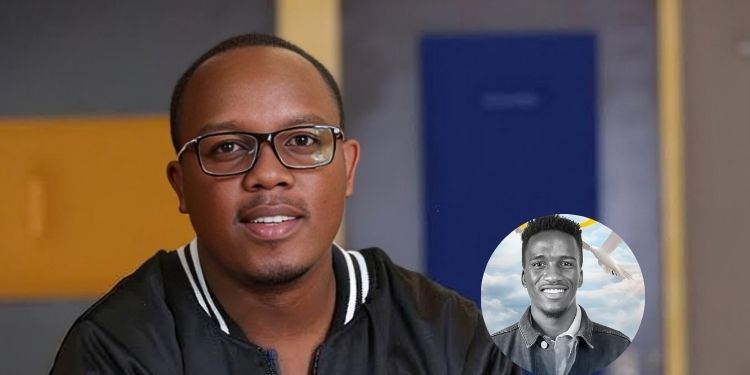
Kenyan actor, filmmaker, and content creator Abel Mutua, popularly known as Mkurugenzi, has, for the first time, opened up about the death of his younger brother Raphael, revealing the painful two-year struggle his family went through as they tried to help him overcome drug addiction.
Speaking during an interview on The Kisiangani Podcast on Thursday, September 24, Abel said Raphael was the last-born in their family of eight, while he was the fourth-born.
Raphael died in 2023, leaving the family grappling not only with his death but also with questions about whether they could have done more to save him.
“It was such a big thing. We lost that boy in such a manner that sometimes I just sit like this in disbelief. I still cannot believe that the boy is gone,” Abel said.
Raphael’s Addiction Became a Family Struggle
Abel said Raphael had been left in the family home after their mother died at the age of 48 from cardiac arrest, while the rest of the siblings moved on with work and other responsibilities.
By then, Raphael was studying at JKUAT Karen and also playing football for Kibra United. Abel said the family initially supported him financially, with six of the seven siblings who had jobs contributing money to ensure he could meet his needs.
The situation changed during the COVID-19 period when schools closed and social interactions were restricted. Abel said Raphael began spending more time away from his family and with a new group of friends.
When Raphael visited one afternoon in 2021, Abel immediately sensed that something had changed.
Also Read: How Abel Mutua, ‘Mkurugenzi,’ Rose From Dreamer to Screen Star
“I was sitting right opposite him, watching him explain something to me, and I could tell something was off. I could not put my finger on it, but the boy was not himself,” he recalled.
The family later discovered that Raphael had started using drugs with some of the people he was staying with.
Abel said they tried to intervene, asking Raphael to move back home and distance himself from his friends, but he did not see his drug use as a problem.
“I am not bothering anyone. Why is this thing disturbing your peace?” Raphael told him, according to Abel.
The family also contacted his football coach and discovered that Raphael had not been truthful about returning to football after schools reopened.
Abel said they later realized Raphael was also failing to attend school, with the family’s financial support being used to fund his lifestyle.
“We were the ones who had been facilitating it,” he said.
Family Tried Rehab, Work and a Way Back Home
As the addiction worsened, the family attempted several ways to help Raphael, including taking him to rehabilitation centres.
Abel said Raphael repeatedly refused treatment, sometimes reaching the rehabilitation centre and telling his family that if they left, he would leave with them.
He also gave Raphael a job as a set runner at his workplace, hoping that keeping him occupied would help him turn his life around.
But that too lasted only about two weeks.
Abel recalled having to explain to Raphael that he could not smoke weed on set because the crew knew he was his brother and there were professional rules that applied to everyone.
“Here, we have codes of ethics. You cannot smoke weed on set because these people know you are my brother. They also cannot do it here. But they will wonder why they cannot while your brother can,” Abel told him.
Raphael eventually left the job. Abel said the family continued trying to get him into rehabilitation, but he repeatedly refused.
At one point, Abel gave him an ultimatum: either he entered rehabilitation or their relationship would end.
“He told me, ‘My answer is still the same. We are done because I am not going into rehab,’” Abel recalled.
The family later took him home to their father. By December 2023, however, Abel said Raphael’s condition had deteriorated significantly. He could no longer read and was struggling to function normally.
He was sat him down and reminded him that the friends he had gone to university with were moving on with their lives.
“Raph, it has been more than a year. The people you went to school with are moving on. The people you were with at JKUAT are almost graduating. Tell us, has it been worth it?” Abel recalled asking him.
What followed shocked them. Raphael sat down with his siblings for almost three hours and apologised to each of them.
They offered to take him to rehabilitation again and promised to support him afterwards, including helping him find somewhere to live and giving him the option of returning to school or working with Abel and he agreed.
Also Read: Judy Nyawira: The Woman Behind Abel Mutua and a Digital Empire of Her Own
Raphael instead asked them to leave him with their father for a few more days before joining them after New Year.
On December 28, Abel received a message from his younger sister informing him that Raphael had died by suicide.
“I went into the room and looked at him and asked myself, ‘Was this the better option?’” Abel said.
He later learned from his father about Raphael’s final conversations at home.
Raphael had spoken to his father about his struggle with addiction and asked permission to sleep away from the main house because he feared relapsing.
Abel said his father was encouraged by the fact that Raphael was openly acknowledging his struggle and allowed him to sleep in another house on the compound.
The following morning, his father went to check on him, as he normally did, and discovered that he had died.
Abel said the family had struggled with Raphael for two years and that his death was followed by public criticism, with people questioning how the family could have failed to save him.
“In fact, this is the first time I am talking about this story. When he died, it was a big deal. It was all over the internet. People were wondering, ‘How could Abel have failed Raph?’” Abel said.
For Abel, the experience also changed how he views addiction and the families dealing with it.
“When you are dealing with someone who has an addiction, the dynamics are so different. This guy is unwell. He is not okay and he is not reasoning like you are. He can do very strange things. If you have never dealt with an addict, do not judge someone,” he said.
Follow our WhatsApp channel for more updates
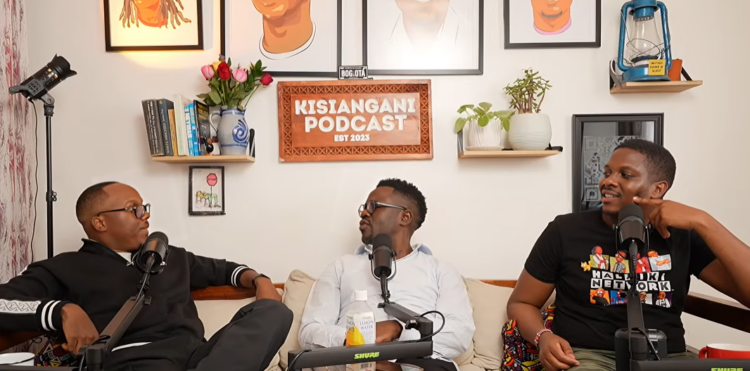
Abel Mutua speaking during an interview on The Kisiangani Podcast on Thursday, September 24, 2026. PHOTO/ SCREENGRAB