
Famadihana: Madagascar’s Tradition of Exhuming the Dead to Dance and Rebury Them
Share

In Madagascar’s central highlands, families periodically gather not to mourn the dead, but to celebrate them.
The ritual, known as famadihana, literally translated as “the turning of the bones,” involves exhuming the remains of ancestors, rewrapping them in fresh cloth, and dancing with them before returning them to their family tombs.
Far from being horrific, the ceremony is regarded as one of the most joyous and meaningful events in Malagasy culture.
Unlike many funeral traditions elsewhere that emphasize grief and finality, famadihana reflects a belief that death does not sever ties between the living and the dead.
Among the Malagasy people, ancestors are considered active members of the family, capable of guiding, protecting, and influencing everyday life.
Families believe that the spirits of the deceased do not fully join the ancestral realm until their bodies have decomposed completely and proper rites have been performed.
The practice, which historians trace to around the 17th century in its current form, is thought to draw from older double-funeral customs linked to Southeast Asia and Oceania.
Over time, famadihana became a structured ritual held every five to seven years, transforming private remembrance into a large public reunion that can bring together relatives from across Madagascar, including those who may have been estranged.
For many families, the ceremony is both spiritual and social.
One Malagasy man, Jean Pierre, once explained its importance to BBC by saying, “It’s important because it’s our way of respecting the dead. It is also a chance for the whole family, from across the country, to come together.”
Also Read: Why Ethiopia Is Still Seven Years Behind On The Calendar
Rituals Rooted in Ancestral Belief
Famadihana ceremonies are typically held during the dry season, between June and September, when travel is easier, and tombs can be safely opened.
Family members gather at ancestral graves, carefully removing the remains of their forebears.
The bones are then wrapped in new silk or linen shrouds, often known as lambamena, with names rewritten to ensure the dead are never forgotten.
The rewrapping is followed by a celebration.
Relatives hoist the shrouded remains onto their shoulders and dance to live music, commonly provided by brass bands.
Food is shared, liquor is poured, and stories are exchanged, turning the ritual into a vibrant affirmation of life and lineage rather than a moment of sorrow.
Dance, Reburial and Communal Bonds
As the day progresses, the ancestors are carried around the tomb, sometimes seven times, before being gently returned to rest.
The crypt is sealed again, marking the close of the ceremony until the next famadihana years later.
The event can last several days, with neighbors and extended community members joining in.
Also Read: Why Muslims Bury Their Dead Within 24 Hours
Modern Pressures and Cultural Debate
Despite its deep cultural significance, famadihana faces growing challenges.
The cost of silk shrouds, food, and music has made the ceremony increasingly difficult for some families to afford.
Religious shifts have also played a role, with certain Christian groups opposing the practice, while others, including the Catholic Church, now regard it as cultural rather than religious.
Public health concerns have added another layer of tension.
Authorities have at times discouraged or restricted exhumations, particularly for those who died from infectious diseases.
Follow our WhatsApp Channel and WhatsApp Community for instant news updates
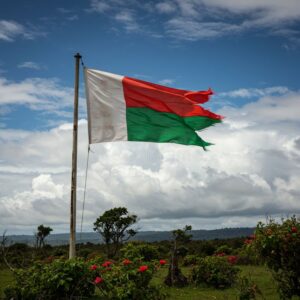
Madagascar’s Flag On A Flowery Vegetation. PHOTO/ File