
KRA Announces 36-Hour Temporary Service Interruption
Share

The Kenya Revenue Authority (KRA) has announced a 36-hour temporary service interruption as it undertakes major scheduled maintenance on the Integrated Customs Management System (iCMS).
In a notice dated Friday, February 6, 2026, KRA said the maintenance will begin on Saturday, February 7, 2026, at 6:00 pm and run until Monday, February 9, 2026, at 6:00 am. The exercise is aimed at enhancing system performance, improving transaction processing speeds, and delivering a more reliable user experience for customs operations.
“We wish to inform Partner Government Agencies, Importers, Exporters, Clearing Agents, Shipping lines, and the general public of scheduled major maintenance for the Integrated Customs Management System (iCMS) to enhance performance starting on Saturday, 7th February, 2026, from 1800hrs to Monda,y 9th February, 2026 0600Hrs (36 hours,” read part of the notice.
KRA Warns of Temporary Customs Disruptions During iCMS System Maintenance
The interruption will affect customs-related services handled through the iCMS platform, which is widely used by partner government agencies, importers, exporters, clearing agents, and shipping lines.
To minimise disruptions, KRA has advised stakeholders to submit all urgent declarations, complete pending payments, and prioritise the clearance of perishable or time-sensitive consignments before the maintenance window begins on Saturday evening.
“KRA regrets any inconvenience caused and appreciates the cooperation of all stakeholders as we continue to improve service delivery,” the authority said.
Also Read: Del Monte Loses Ksh 1.76 Billion Tax Battle Against KRA
The taxman noted that its customer support services will remain available throughout the maintenance period. Taxpayers and traders can reach the authority through its official social media platforms, customer care hotlines, or email support channels.
About the Integrated Customs Management System
The Integrated Customs Management System (iCMS) is the modern digital platform used by the Kenya Revenue Authority (KRA) for managing customs processes in Kenya.
Some of its roles include:
– Handling import and export declarations submitted by traders and customs brokers.
– Assisting with customs payments, which include duties, taxes, and various fees.
– Aiding in the clearance and release of cargo at ports, border checkpoints, and inland container facilities.
– Coordinating with partner government agencies for necessary approvals, permits, and compliance verifications.
Also Read: KRA Introduces Multi-Vendor, User-Owned Electronic Cargo Tracking Seals
– Strengthening risk management through automated profiling and targeting of shipments.
– Monitoring cargo movement throughout the supply chain.
– Enhancing transparency and accountability within customs operations.
– Decreasing clearance time by automating processes and reducing manual tasks.
Follow our WhatsApp channel for instant news updates
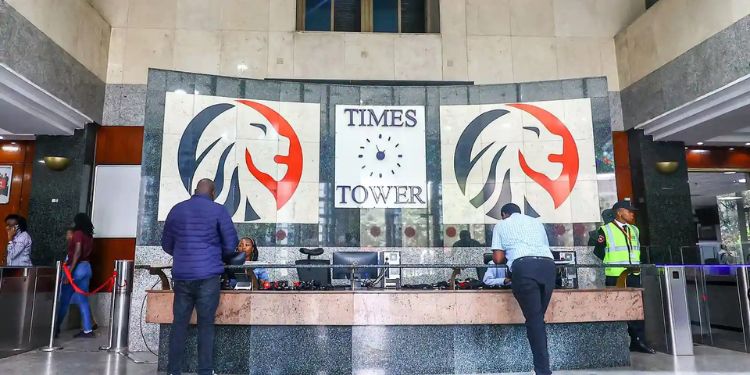
Kenyans receiving services at the Kenya Revenue Authority headquarters. PHOTO/KRA.