
Women and Girls in Africa Bear the Brunt of Debt, Fossil Fuels and Climate Change
Share

By Peter Ongera
As the world prepares to mark International Women’s Day and gather for the Seventieth Session of the Commission on the Status of Women (CSW70), a new report warns that women and girls across Africa are paying the highest price for the continent’s escalating debt crisis, fossil fuel expansion, and the intensifying impacts of climate change.
The report, titled Gender, Debt and Fossil Fuels: A Mapping of Key Insights from the African Continent, was released by the African Forum and Network on Debt and Development (AFRODAD) in collaboration with the Fossil Fuel Treaty Initiative. It paints a troubling picture of a “polycrisis” where economic, environmental, and social pressures intersect—often with devastating consequences for women and girls.
According to the report, Africa is experiencing a collision of crises: mounting public debt, continued reliance on fossil fuel extraction, and worsening climate change. While each of these challenges has serious consequences on its own, their combined impact deepens existing inequalities rooted in patriarchal and global economic systems.
Debt Crisis Squeezing Public Services
Africa’s debt burden has surged dramatically in recent years. The report notes that the continent’s total debt has more than doubled since 2020, surpassing $1 trillion. At the same time, interest payments on existing debt have doubled over the past 15 years, reaching more than $163 billion.
These rising obligations are forcing governments to prioritize debt repayment over investments in essential services such as healthcare, education, and social protection.
The situation is partly linked to structural adjustment programs, trade liberalization policies, and austerity measures promoted by international financial institutions such as the International Monetary Fund (IMF). These policies have historically pushed African governments to cut public spending and focus on servicing external debts.
The consequences are felt most sharply by women and girls. When health and education budgets shrink, women often shoulder the burden through unpaid care work—looking after sick family members, caring for children who drop out of school, or compensating for failing social services.
Periods of economic austerity also tend to intensify social stress. Research cited in the report shows that economic shocks linked to austerity measures can lead to spikes in domestic and interpersonal violence against women and girls.
Fossil Fuels and Extractive Economies
The report argues that the pressure to repay debt is also pushing some African governments to expand fossil fuel production. Oil, gas, and coal extraction are often presented as quick sources of revenue to meet financial obligations.
But this strategy, the authors say, traps countries in a cycle of environmental damage, economic dependency, and social conflict.
Across countries such as Mozambique, Nigeria, Uganda, and Tanzania, large-scale oil and gas projects have been linked to land dispossession, displacement of communities, and loss of livelihoods. Women and girls are often among the most vulnerable to these disruptions.
In many rural African communities, women depend heavily on land and natural resources for farming, water collection, and household survival. When extractive projects seize or degrade these resources, women’s economic security and social roles are severely undermined.
Fossil fuel extraction also introduces new forms of violence and insecurity. The report highlights how militarization around oil and gas installations—often justified as protecting infrastructure—can lead to repression, surveillance, and even sexual violence by corporate or state security forces.
Environmental damage further compounds these risks. Pollution from oil spills, gas flaring, and industrial waste contaminates water sources, degrades farmland, and harms fisheries. These environmental impacts trigger health problems, food insecurity, and declining livelihoods—pressures that disproportionately affect women and children.
Also Read: OPINION: Why Kenyan Indians Must Step Into Politics Ahead of 2027
Climate Change Deepens Gender Inequality
Climate change represents another layer of crisis, intensifying existing gender inequalities across Africa.
Rising temperatures, prolonged droughts, floods, and extreme weather events are already damaging lives and livelihoods across the continent. For many communities dependent on agriculture, climate disruption threatens food production and economic survival.
Women and girls tend to be more vulnerable to these impacts due to long-standing social barriers. In many African societies, women lack secure land rights or access to financial resources, limiting their ability to adapt to environmental changes.
They are also often excluded from climate adaptation programs and decision-making processes that determine how resources are allocated.
The lack of adequate climate finance worsens the situation. Despite possessing an estimated 40 percent of the world’s renewable energy potential—particularly in solar, wind, and geothermal resources—Africa receives less than two percent of global renewable energy investment.
This imbalance makes it difficult for African countries to transition to clean energy systems that could simultaneously address climate change, economic development, and gender equality.
Women on the Frontlines of Resistance
Despite facing the brunt of these overlapping crises, women across Africa have also emerged as leading voices in environmental protection and social justice movements.
Indigenous women’s groups, community activists, and civil society organizations have been at the forefront of campaigns to resist destructive extraction projects and advocate for climate justice.
Their activism, however, often comes at a personal cost. Women environmental defenders frequently face harassment, intimidation, and violence for challenging powerful economic interests tied to fossil fuel industries.
Yet their efforts are central to advancing alternative visions of development—ones that prioritize sustainable livelihoods, community participation, and environmental stewardship.
Rethinking Global Cooperation
The report calls for a fundamental rethinking of international economic cooperation to enable a fair and sustainable transition away from fossil fuels.
One proposed solution is the advancement of a global Fossil Fuel Treaty—a framework that would coordinate the gradual phase-out of oil, gas, and coal while supporting countries in building renewable energy systems.
Such a treaty could also create mechanisms for renegotiating or cancelling portions of external debt, allowing African governments to redirect resources toward climate action, public services, and gender equality.
Bemnet Agata, a co-author of the report and communications specialist with the Tax Justice Network, argues that the current global economic system forces African governments into an impossible dilemma.
“Africa is being pushed to drill its way out of debt under a global economic model that treats debt service as sacrosanct,” she said.
“When governments cut health, education and social protection to reassure creditors, the strain does not disappear—it is displaced into women’s unpaid labour, dispossession and the violence through which fossil fuel extraction is enforced.”
Agata describes women as the “shock absorbers” of the system, absorbing the social and economic pressures created by debt repayment and resource extraction.
A Call for Gender-Just Energy Transitions
Dr. Amiera Sawas, director of research at the Fossil Fuel Treaty Initiative and another co-author of the report, says African feminist scholars have long warned about the interconnected nature of debt, fossil fuels and gender injustice.
“Despite facing disproportionate risks, women and Indigenous leaders have been at the forefront of calling for a just energy and economic transition rooted in feminist and decolonial principles,” she said.
Such a transition, the report argues, would involve expanding renewable energy, strengthening social protection systems, and ensuring women’s participation in economic and environmental decision-making.
Ultimately, the authors emphasize that addressing Africa’s debt crisis, climate vulnerability, and gender inequality cannot be treated as separate challenges.
Instead, they must be tackled together through coordinated global action that prioritizes fairness, sustainability, and the rights of women and girls.
As the international community gathers for CSW70, the report sends a clear message: without debt justice and a gender-sensitive transition away from fossil fuels, the promise of climate action and gender equality will remain out of reach for millions of African women and girls.
Follow our WhatsApp channel for instant news updates
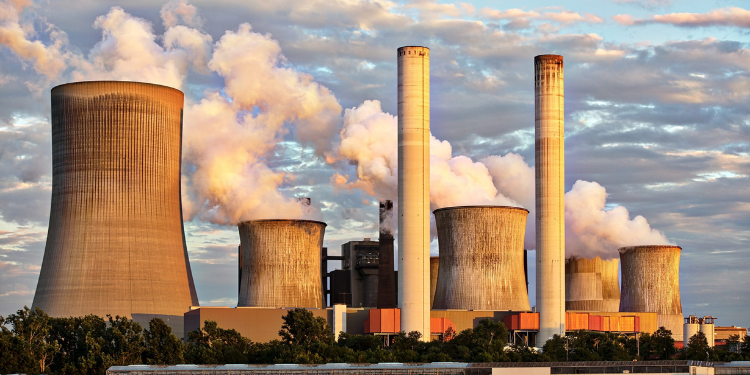
Creative Commons Zero – CC0. PHOTO/ Open Democracy.