Oil Price Surges to $100 as G7 Ministers Rush to Respond
Share
Oil Prices Cross $100 a Barrel as Iran Conflict Shakes Global Markets.
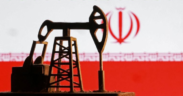
Global oil prices have surged past $100 per barrel for the first time since 2022, as escalating tensions in the Middle East threaten global energy supplies and trigger concern among world leaders.
The sharp rise comes amid the ongoing conflict involving Iran, the United States and Israel, which has disrupted oil production and shipping routes in one of the world’s most critical energy regions.
Global Financial Markets React
Brent crude, the international oil benchmark, climbed above $107 per barrel while U.S. crude also crossed the $100 mark during early trading this week.
Also Read: Qatar Arrests 313 Foreigners for Circulating Unauthorized Videos and Rumours
The surge has largely been driven by disruptions in the Strait of Hormuz, a narrow waterway between Iran and Oman that handles nearly one-fifth of the world’s oil shipments.
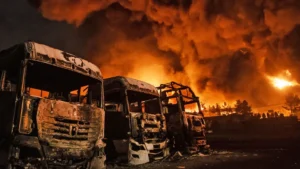
Tanker traffic in the area has slowed dramatically following missile threats and attacks linked to the escalating conflict, raising fears of a prolonged supply shortage.
Reduced Production in Gulf Countries
Several oil-producing countries in the Gulf, including Iraq, Kuwait and the United Arab Emirates, have also reduced output due to logistical challenges and security concerns.
Analysts warn that continued instability in the region could push prices even higher if energy infrastructure and shipping routes remain under threat.
Impact on Consumers
The spike in oil prices has already sent shockwaves through global financial markets.
In the United States, stock futures dropped sharply while investors grew increasingly concerned about rising inflation and slowing economic growth.
Also Read: Football World Mourns as Former Harambee Stars Coach Engin Firat Dies
Higher oil prices typically lead to higher transportation and production costs, which can eventually affect prices of goods and services worldwide.
In response, finance ministers from the Group of Seven (G7) countries are preparing for emergency talks to discuss possible measures to stabilize energy markets.
Among the options being considered is the coordinated release of strategic oil reserves to help ease supply pressure and calm volatile markets.
For many countries that rely heavily on imported fuel, the rising oil prices could soon translate into higher fuel costs and increased economic strain if the conflict continues.
Follow our WhatsApp channel for instant news updates
Several oil-producing countries in the Gulf, including Iraq, Kuwait and the United Arab Emirates, have also reduced output due to logistical challenges and security concerns.
You Might also Like