
Why Senegal is Yet to Appeal CAF Decision After Being Stripped of AFCON 2025 Title
Share

Senegal is yet to file an appeal at the Court of Arbitration for Sport (CAS) following the controversial decision by the Confederation of African Football (CAF) to strip them of its 2025 Africa Cup of Nations (AFCON) title.
The ruling, which awarded the title to hosts Morocco on March 17, 2026, has sparked widespread debate across the football world, with key figures weighing in on both the legal and sporting consequences of the decision.
CAF President Patrice Motsepe defended the move, noting that the decision followed due process within the continental body’s judicial structures.
“The CAF Disciplinary Board took one decision. The CAF Appeals Board took a totally different position,” Motsepe said.
CAF President Responds to Decision to Overturn Senegal’s Win
He stated that Senegal has the right to take further action on the matter.
“Every one of the 54 nations in Africa has a right to pursue their appeals, not only at CAF but also at the highest body,” he stated.
Also Read: Senegal Rejects CAF Decision to Strip AFCON 2025 Title
Former Ballon d’Or winner and ex-Liberian President George Weah also weighed in, insisting that results on the pitch should be final.
“The referee on the pitch is the final authority. Football must be decided on the pitch, not re-decided after the final whistle,” Weah argued.
Why Senegal Has Not Yet Filed an Appeal After Being Stripped of the AFCON Title
According to Sarah Ochwada, a judge on the FIFA Football Tribunal and Vice Chair of the FIFA Player Status Chamber, Senegal must follow a strict legal process before approaching the Court of Arbitration for Sport (CAS).
In a media interview with CGTN media, Ochwada explained that there is an “invisible corridor” between the Confederation of African Football’s (CAF) decision and any potential appeal to CAS.
“Senegal will first have to request the full reasoned decision from CAF, including the legal principles behind the ruling,” she stated.
Only after receiving this information can the country proceed to file an appeal within the specified timelines.
She added that Senegal will need to appoint an arbitrator, while the opposing side selects another. CAS will then assign a presiding arbitrator to form a panel.
“The composition of the panel can influence the direction of the outcome, as arbitrators differ in their interpretation of sports law,” Ochwada noted.
Referee’s Role and What Happens Next
The case has also raised questions about the role of referees. Ochwada referenced Law 5 of football’s Laws of the Game, which grants referees control over match proceedings, including starting, stopping, and ending games.
Also Read: Mane Breaks Silence After CAF Strips Senegal of AFCON Title, Awards it to Morocco
However, she clarified that decisions can still be reviewed after the game by football bodies.
“In this case, CAF applied disciplinary regulations rather than the Laws of the Game,” she explained.
She stated that an important issue will be deciding whether the incident was a match abandonment or just an interruption.
While no appeal has been filed yet, Ochwada indicated that the process, once initiated, could take months but is unlikely to continue indefinitely.
She noted that the case could have significant implications for global football regulations.
“We’ll have a decision before Christmas, hopefully,” she said.
Follow our WhatsApp channel for instant news updates
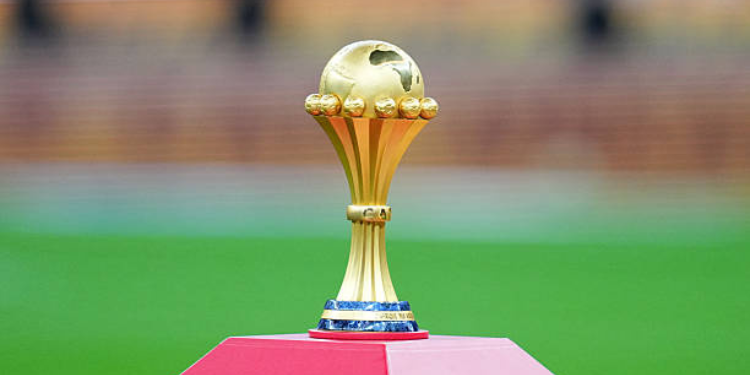
The image shows CAF trophy that was won by Senegal. PHOTO/Getty Images