Kindiki Pushes for Return of NTSA Instant Traffic Fines System
Share
Deputy President (DP) Kithure Kindiki has reiterated the government’s resolve to reinstate the National Transport and Safety Authority’s (NTSA) instant traffic fines management system.
Kindiki described the fines as a crucial tool in curbing reckless driving that contributes to Kenya’s persistent road accidents.
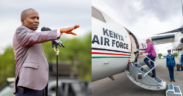
Kindiki speaking on Tuesday, April 7, at an interdenominational service in Nyeri held to honour victims of a recent road crash that killed more than 11 people.
The crash has reignited public concern over road safety enforcement and the automated fines system which was put on hold.
Kindiki Defends Instant Fines System
Kindiki defended the initiative, saying it was designed to make traffic law enforcement more efficient.
“We said that in a bid to enhance road safety, if you are caught overspeeding, we will no longer have traffic police officers, as we have the instant fines management system, which will just send instant fines to your phone,” Kindiki said. “If you don’t pay, your car will be detained … and the driver will also be penalised.”He added.
He further warned that repeat offenders could face licence revocation under the automated system.
“If you are a repeat offender, you can also lose your licence, and all that will be done electronically. However, the court issued an injunction. We are requesting the judiciary to help save lives on our roads and lift the orders.” Kindiki said.
Also Read: How The Uae Is Becoming Africa’s Most Consequential Clean Energy Ally
Instant Fines System Launched By NTSA
The instant fines system was officially launched by NTSA on March 9, 2026, as a technological step from traditional roadside law enforcement.
Using a combination of automated cameras, number plate recognition technology, and digital monitoring of roads, the system was designed to detect traffic violations such as speeding, dangerous overtaking, and driving without a valid licence or even insurance.
What The System Is Supposed to Do
Under the system by NTSA, offenders would automatically receive penalty notices via SMS or email, with options to settle fines digitally.
Failure to comply within the given period could result in additional penalties or even restrictions on accessing other NTSA services.
NTSA has earlier said that the system was introduced to reduce human error, minimise corruption, and enhance the efficiency of traffic law enforcement while discouraging or rather stopping repeat offences.
High Court Orders
But just days after the rollout, the High Court in Nairobi issued conservatory orders suspending its enforcement. Justice Bahati Mwamuye barred NTSA, the Attorney General’s office, and related agencies from issuing, demanding, or enforcing any automated traffic penalties pending the hearing and determination of a constitutional petition.
The petitioners argued the system violated constitutional rights, including the right to fair administrative action and the right to a fair hearing, since penalties were imposed without allowing motorists to contest alleged violations. Concerns were also raised on if it was legal.
Also Read: Court Set to Hear Corruption Cases Worth Over Ksh 1.1 Billion This Week
NTSA Withdrew The Instant Fines System
NTSA later formally withdrew its ‘Go Live’ notice on March 27, saying it would pause implementation to focus on public education and also follow existing legal procedures.
Despite the setbacks, Kindiki said the government remains “firmly committed to making sure our roads are safe” and will continue discussions with authorities to refine the system in a way that respects the legal process.
Kindiki also urged motorists to drive responsibly, noting that road losses are avoidable with better compliance with safety precautions and enforcement.
“Lives matter. The loss of a mother, a father, or a child on our roads is a tragedy we cannot ignore,” Kindiki said. “We will do everything within the law to protect our people.”
Follow our WhatsApp channel for instant news updates
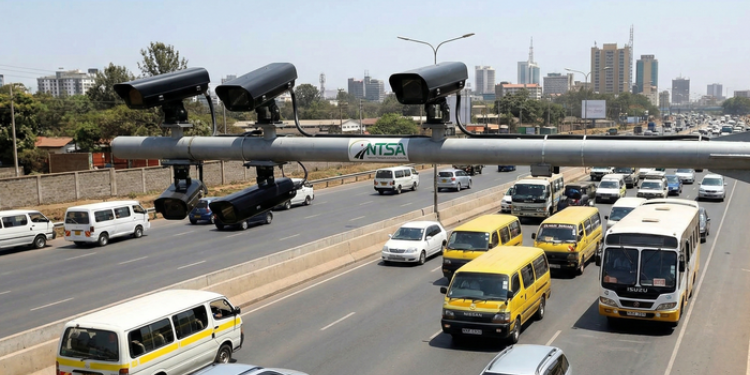
NTSA speed limit cameras installed on Thika Super Highway. PHOTO/ NTSA