What It Takes To Become A Senator In Kenya
Share

Becoming a senator in Kenya follows a structured legal and political pathway defined by the Constitution of Kenya, the Elections Act and various regulations issued by the Independent Electoral and Boundaries Commission (IEBC).
The Senate, created under 2010 constitution, carries oversight responsibilities over county governments, revenue allocation and legislation affecting devolved units.
Due to its visibility and constitutional weight, the process of getting into the Senate is tightly regulated.
Anyone seeking the position must first meet the basic eligibility requirements set out in the Constitution.
To qualify, a candidate must be a Kenyan citizen and registered voter.
The Constitution also requires a minimum age of 18, though political parties often vet candidates based on experience, public profile, and leadership record.
A candidate must also meet the ethical standards set in Chapter Six of the Constitution, which focuses on integrity and accountability in public office.
Most aspirants commence their journey to Senate by seeking a political party ticket because major parties offer structured nomination pathways, campaign support, and established voter bases.
Independent candidates are allowed but must gather supporting signatures from registered voters in their counties.
Also Read: What it Takes to Become a Governor in Kenya
Legal Requirements and Eligibility
Under the Kenyan Constitution, anyone seeking senatorship position must not hold citizenship in another country.
They must also be free of bankruptcy and must not have been convicted of an offence that disqualifies them from holding public office.
Additionally, serving public officers such as civil servants, police officers, and teachers must resign at least six months before the general election.
Another vital requirement is compliance with the Leadership and Integrity Act.
Candidates are required to submit clearance certificates from institutions such as the Ethics and Anti-Corruption Commission, Kenya Revenue Authority, Credit Reference Bureau, and Higher Education Loans Board.
Campaigns, Party Politics, and Resources
Aspiring to be a Senator demands campaign planning.
Aspirants must form campaign teams, develop county wide networks, and present clear agendas that resonate with the People’s wants.
Aspirants must also invest in transport, communication, community mobilization, and political branding since counties are vast.
Political parties also play a crucial role through primaries, endorsements, and campaign infrastructure.
Winning requires majority votes in a county.
Thereafter, The Independent Electoral and Boundaries Commission (IEBC), verifies the results and declares the winner in the said county for senate role.
Also Read: Explainer: What It Takes to Become an MCA in Kenya and Their Roles
Roles and Responsibilities After Election
Once elected, senators represent counties at the national level.
Their major duties include: protecting devolution, overseeing county revenue allocation, monitoring expenditure, reviewing laws affecting counties, and participating in national legislative processes.
Senators also engage communities back home through public participation, grassroots feedback, and county’s visits.
Follow our WhatsApp Channel and WhatsApp Community for instant news updates
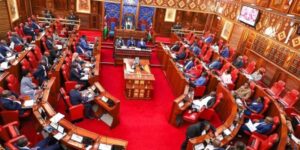
A past session of the Senate. PHOTO/Parliament.