
Why ODM Must Sustain Respect for Uhuru Kenyatta
Share
The death of Raila Amolo Odinga in October 2025 closed one of the most consequential chapters in Kenya’s political history.
Raila was not just the leader of ODM; he was its conscience, its mobiliser, and its ideological anchor.
His passing has forced ODM into an unavoidable moment of reckoning: can the party survive as an institution without the man who embodied it for decades?
It is within this fragile post-Raila context that ODM’s relationship with former President Uhuru Kenyatta becomes not optional, but strategically essential.
Why ODM Must Respect Uhuru
First, ODM must sustain respect for Uhuru Kenyatta because the Handshake is now part of Raila’s final political legacy.
The 2018 rapprochement between Raila and Uhuru was not a detour or betrayal of opposition politics; it was Raila’s ultimate evolution from perpetual resistance to nation-building statesmanship.
To disrespect Uhuru after Raila’s death would amount to ODM repudiating Raila’s own end-of-life political judgment.
That would be an act of historical vandalism, dismantling Raila’s legacy from within.
Leadership Vacuum
Second, in the post-October 2025 reality, ODM faces a leadership vacuum and identity crisis.
Raila’s moral authority had long masked internal contradictions—ethnic balancing, ideological ambiguity, and succession rivalries.
With Raila gone, these tensions are surfacing openly. Uhuru Kenyatta, though external to ODM, remains a critical stabilising reference point: a former head of state who understands power, transition, and restraint.
Sustaining respect for Uhuru helps ODM project maturity at a time when it risks appearing rudderless or reactionary.
Also Respect: Raila’s Silence Is a Test and Kenya Is Being Watched
Political Survival
Third, ODM’s continued respect for Uhuru Kenyatta is a matter of political survival in a hostile state environment.
History is unforgiving to opposition parties that lose both their founding leader and elite protection simultaneously. Raila understood this reality better than anyone.
The Handshake insulated ODM from state repression, delegitimisation, and isolation.
In the absence of Raila’s personal clout, Uhuru’s symbolic and diplomatic weight still provides ODM with breathing space—locally and internationally. Burning that bridge would expose ODM to strategic suffocation.
Uhuru’s Elite Consensus
Fourth, ODM must acknowledge that Uhuru represents continuity of elite consensus, a cornerstone of Kenyan political stability.
Kenya’s transitions are rarely resolved through pure populism; they are negotiated through elite accommodation.
Raila’s final years were defined by this understanding. ODM dishonours Raila’s memory if it abandons elite dialogue in favour of performative hostility.
Respect for Uhuru signals ODM’s commitment to negotiated politics, constitutional order, and national cohesion.
ODM Succession Battles
Fifth, the succession battles within ODM after October 2025 make Uhuru’s role even more relevant.
As factions jostle for control, some are tempted toward radical populism, others toward opportunistic alliances—Uhuru’s continued engagement acts as a moderating influence.
Respecting him is not submission; it is strategic restraint. It buys ODM time to institutionalise leadership, clarify ideology, and avoid implosion.
Also Read: Why Presidential Opinion Polls Are Analytically Premature and Politically Misleading
Credibility Test and Moral Obligation
Sixth, there is a credibility and consistency test ODM must pass. The party cannot credibly preach constitutionalism, reform, and unity while disowning the alliance that delivered Kenya from the brink of post-election collapse.
The Handshake era, co-authored by Raila and Uhuru, is now a settled chapter of national history.
Disrespecting Uhuru would expose ODM as a party driven by short-term anger rather than long-term principle.
Finally, there is a moral obligation to Raila’s final political philosophy. In his later years, Raila chose reconciliation over permanent confrontation.
He chose dialogue over destabilisation. That choice must now guide ODM beyond his grave.
Respecting Uhuru Kenyatta is not about personal affection; it is about fidelity to Raila Odinga’s closing message to the nation, that Kenya’s future cannot be built on endless antagonism.
Raila Odinga’s death in October 2025 did not free ODM from restraint; it imposed a higher burden of responsibility.
The party now stands at a crossroads: regress into noisy, fragmented opposition politics, or mature into a disciplined national institution.
Sustaining respect for Uhuru Kenyatta is the clearest signal of which path ODM intends to take.
Raila is gone. His politics must not die with him.
Follow our WhatsApp Channel and WhatsApp Community for Instant News Updates
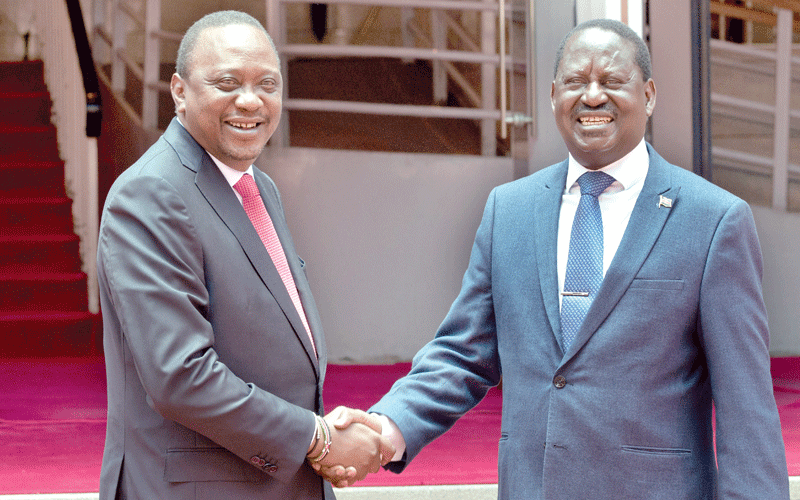
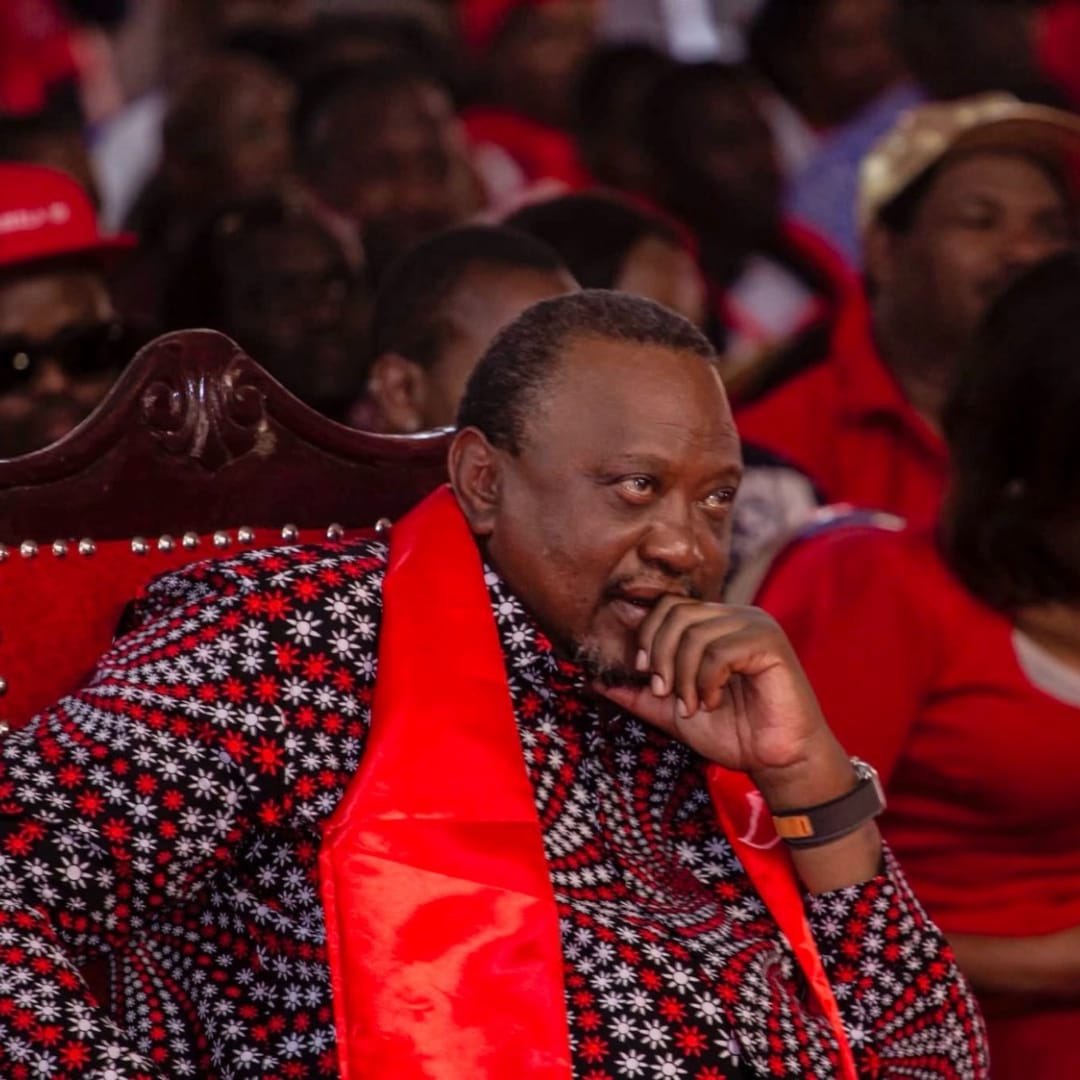
Former President Uhuru Kenyatta with former Prime Minister Raila Odinga when they announced a political truce in March, 2018. Photo/PD/File