
China, Qatar & AU Break Silence After Trump Bombed Venezuela and Arrested President Maduro
Share
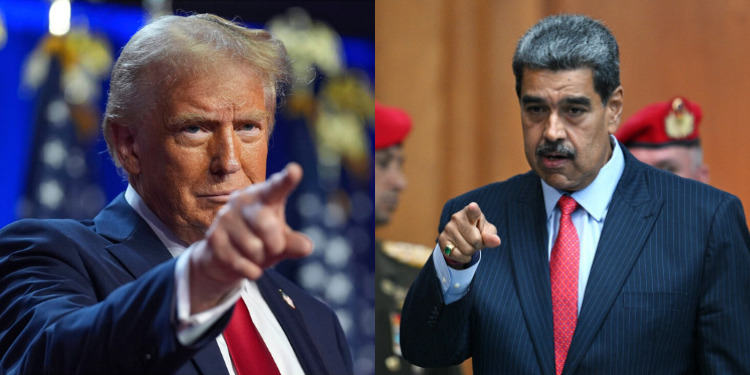
The United States’ reported military strikes on Venezuela and the arrest of President Nicolás Maduro have triggered swift international reactions, with China, the African Union (AU) and Qatar issuing strong statements warning of grave violations of international law and threats to regional stability.
The developments follow claims by former US President Donald Trump that American forces had carried out a “successful” large-scale operation against Venezuelan targets and that President Maduro and his wife had been detained and removed from the country.
According to statements circulating on January 3, 2026, the operation marks a dramatic escalation in Washington’s long-running confrontation with the Caracas government, which has been under US sanctions for years over disputed elections, allegations of human rights abuses and accusations of narcotics trafficking.
The reported arrest of a sitting head of state has raised alarm across diplomatic circles.
The action could set a dangerous precedent in international relations.
China was among the first major powers to publicly respond, describing the reported strikes as an unlawful act of aggression.
In a question-and-answer briefing released by its Ministry of Foreign Affairs, Beijing addressed reports that US forces had launched military strikes on Venezuela and removed its president from power.
China’s Foreign Ministry said it was “deeply shocked by and strongly condemns the U.S.’s blatant use of force against a sovereign state and action against its president,” adding that “such hegemonic acts of the U.S. seriously violate international law and Venezuela’s sovereignty, and threaten peace and security in Latin America and the Caribbean region.”
Beijing stressed that it “firmly opposes it” and called on Washington “to abide by international law and the purposes and principles of the UN Charter, and stop violating other countries’ sovereignty and security.”
Why Washington Moved Against Caracas
US hostility toward the Maduro administration has deep roots.
Successive American administrations have refused to recognize the legitimacy of Venezuela’s recent elections, accusing the government of undermining democracy, repressing opposition voices and presiding over a severe economic and humanitarian crisis.
The United States has also long accused senior Venezuelan officials of links to transnational crime, using these claims to justify sweeping sanctions and diplomatic isolation.
Trump claims that Venezuela has long held U.S oil fields and it is now time to return them where they belong.
He further allegates that, proceeds of oil sales has long been used to finance terror linked activities by Caracas regime.
Washington argue that, “military action was necessary to prevent further instability, protect regional security and hasten political change in Caracas.”
Beijing, however, says “the reported strikes represent regime change by force, bypassing international institutions and undermining the principle of state sovereignty.”
Also Read: Trump Orders Total Blockade of Venezuelan Oil Tankers
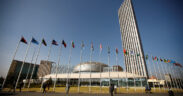
African Union Raises Alarm
The African Union said it was following the situation “with grave concern,” citing “reports of the abduction of the President of the Republic, Mr. Nicolás Maduro, and military attacks on Venezuelan institutions.”
In a communication issued from Addis Ababa on January 3, 2026, the AU reaffirmed “its steadfast commitment to the fundamental principles of international law, including respect for the sovereignty of States, their territorial integrity, and the right of peoples to self-determination.”
The continental body emphasized that Venezuela’s challenges “can only be sustainably addressed through inclusive political dialogue among Venezuelans themselves,” underscoring the importance of “peaceful settlement of disputes” and respect for constitutional frameworks.
It expressed solidarity with the Venezuelan people and urged “all parties concerned to exercise restraint, responsibility, and respect for international law to prevent any escalation.”
Also Read: Venezuela Responds Forcefully to Trump’s Threats
Qatar Calls for Dialogue and De-escalation
Qatar also weighed in, expressing “deep concern over the current developments in the Bolivarian Republic of Venezuela.”
In a statement from its Ministry of Foreign Affairs in Doha, Qatar called for “restraint, de-escalation, and the adoption of dialogue as the appropriate means to address all outstanding issues.”
The Gulf state reaffirmed its commitment to the UN Charter and international law, stressing obligations to resolve disputes through peaceful means.
It added that Doha was “fully ready to contribute to any international effort aimed at achieving an immediate peaceful solution,” and pledged to keep “channels of communication open with all concerned parties.”
Follow our WhatsApp Channel and WhatsApp Community for instant news updates
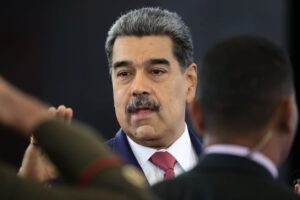
Venezuelan President Nicholas Maduro In A Past Event. Photo credit/File