
Cooking Fuel Firm KOKO to Officially Shut Down Operations in Kenya
Share
KOKO Networks has announced a complete shutdown of its operations in Kenya.
The clean-cooking startup, backed by Vitol and the World Bank, is facing potential insolvency following a dispute with the Kenyan government over the sale of carbon credits.
The company held board meetings after failing to secure government authorization to sell carbon credits in compliance markets, prompting discussions on its future options.
Message to Customers
According to the SMS sent to the customers, the company initially attributed the lack of fuel to supply chain “interruptions” on January 17, 2026, later acknowledging on January 24 that the shortage had spread across the country.
Sat, 17 Jan at 10:43 AM
Dear customer, samahani for the interruptions to your KOKO Fuel supply. Team yetu inaendelea kujitahidi kurejesha huduma haraka. Asante kwa kuwa na subira nasi,” KOKO told their customers via SMS.
Sat, 24 Jan at 12:33 PM
Tunawashukuru kwa subira yenu. Bado tunajitahidi kurejesha KOKO fuel yenye imeisha across the country na tunatumai tutaweza kuwahudumia karibuni. Samahani for the interruption.
“Samahani KOKO customer, we regret to inform you KOKO is closing operations today. We will share the next steps soon.”KOKO wrote to their customers via SMS on Saturday, January 31, 2026.
Also Read: New NCIC Rules Aim to Curb Social Media Fueling Violence Ahead of 2027
The company had employed about 700 people across the country.
According to two people familiar with the company, the company will have to file for insurance from the World Bank’s Multilateral Investment Guarantee Agency (Miga), after the breach of contract by the Kenyan government.
In March 2025, Miga insured Koko’s investment for $179.6mn, in what was the world’s first carbon-linked political insurance coverage.
The policy explicitly covers government breach of contract, yet this standoff calls the entire cookstove financing model into question. If unresolved, it could severely damage Kenya’s standing as a green investment hub.
Also Read: Why the 2026 Lexus LX 800 Is the Luxury SUV Everyone’s Talking About
Who is affected
KOKO’s exit threatens to regress 1.5 million households toward hazardous fuels like kerosene and charcoal.
Beyond the environmental toll, the shutdown will lead to a massive logistical network: over 700 direct jobs, thousands of independent agents, and more than 3,000 automated refueling points.
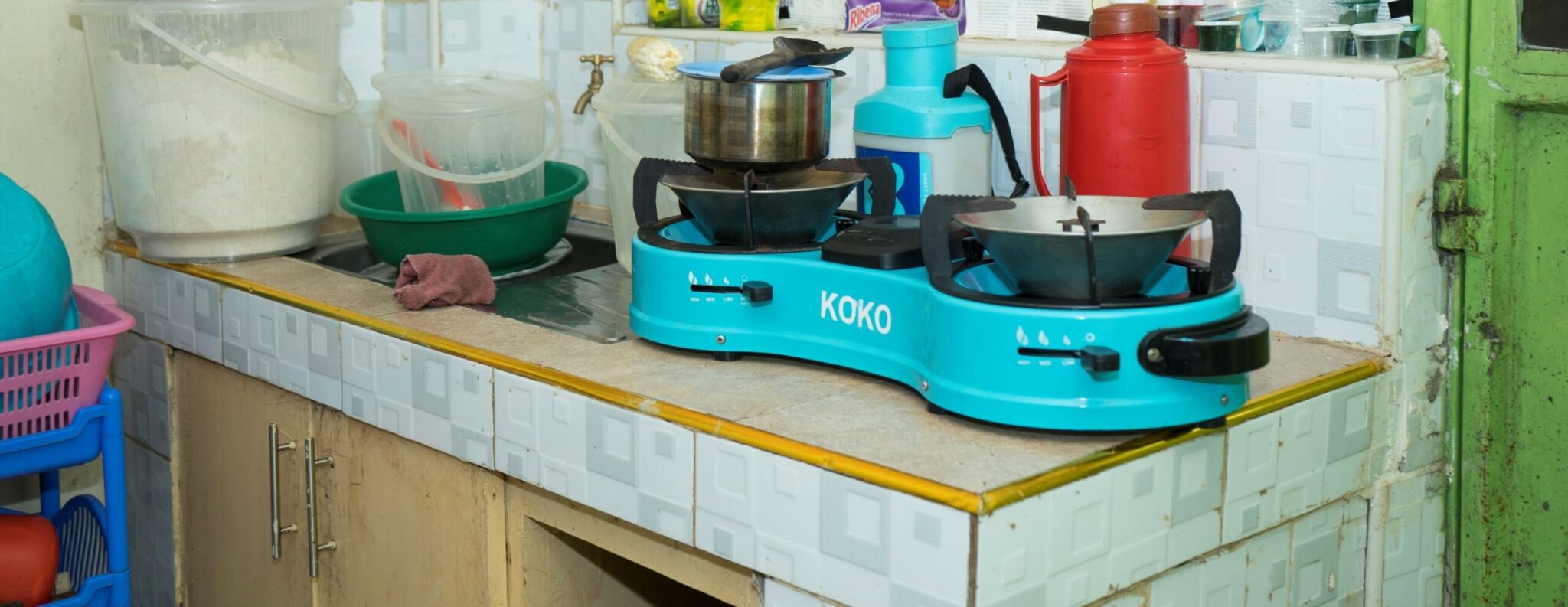
By selling carbon offsets internationally, the startup heavily subsidizes its hardware and fuel; a KOKO stove costs just Ksh 1,500 ($11.53) compared to its Ksh 15,000 ($115.30) market value, while its bioethanol retails at a 50% discount (Ksh 100 vs. KES 200).
Follow our WhatsApp channel for Instant News Updates
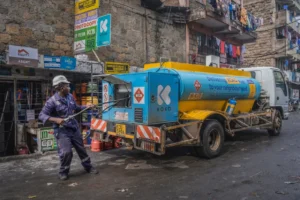
KOKO delivery Vehicle. The cooking fuel firm is set to officially shut down its operations in Kenya. PHOTO/Courtesy