Ramadan 2026: What to Know as the Holy Month Begins
Share
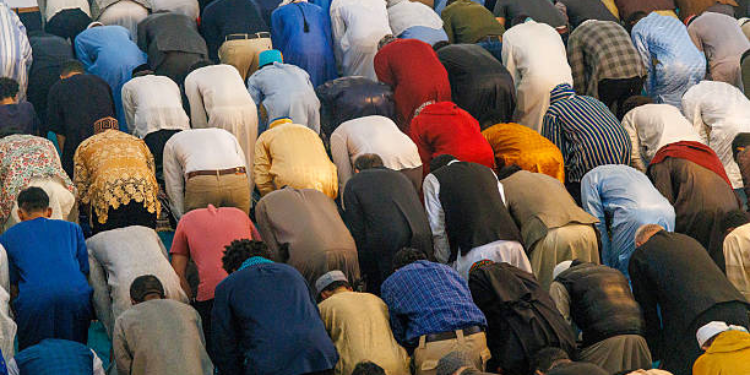
As the holy month of Ramadan approaches, millions of Muslims around the world prepare to observe one of the most sacred periods in the Islamic calendar.
This year, Ramadan begins on Wednesday, February 18th, 2026.
But what exactly is Ramadan, who observes it, and how is it practiced?
Ramadan is observed by Muslims all around the world, regardless of nationality, race, or cultural background.
The obligation to fast is on adult Muslims who are healthy and capable- this typically includes those who are:
- Not ill or suffering from a chronic medical condition
- Not traveling long distances
- Not pregnant, breastfeeding, menstruating, or elderly/frail
- Mentally able to participate in the fast
People who cannot fast for valid health or personal reasons may make up the days later or provide charity as determined by Islamic teachings.
Also Read: KCAA Springs into Action Ahead of Aviation Workers’ Strike
How Is Ramadan Practiced Daily?
1. Fasting from Dawn to Sunset
During daylight hours, Muslims refrain from eating, drinking, smoking, and sexual activity.
This practice, called sawm, is meant to encourage self-discipline, empathy for the less fortunate, and spiritual growth.
2. Suhoor- The Pre-Dawn Meal
Before sunrise, Muslims eat suhoor, a nourishing meal that provides energy for the day.
Foods rich in protein and complex carbohydrates, along with plenty of fluids, are recommended.
3. Iftar-Breaking the Fast
At sunset, Muslims break their fast with iftar, often starting with water and dates.
This is followed by a balanced meal. Families and communities frequently gather to share iftar, making it a time of social connection.
4. Spiritual Activities
Ramadan is also a time of increased prayer, Qur’an reading, and attending Taraweeh night prayers. These practices help strengthen faith and self-discipline.
Why Ramadan Matters
Ramadan is more than just fasting. It is about:
- Spiritual growth and self-discipline
- Empathy for those less fortunate
- Charity and generosity
- Strengthening community bonds
- Renewing personal faith and reflection
These spiritual goals are emphasized throughout the month and culminate in Eid al-Fitr, a festival of celebration and gratitude after the fast ends.
Also Read: Govt Waives Import Taxes on Dates to Support Muslims Ahead of Ramadan 2026
Tips to Boost Energy Levels During the Fast
1 . Plan for Meals and Hydration
Drink sufficient fluids during non-fasting hours.
Avoid sugary and caffeinated drinks-they can cause dehydration and energy dips.
Try easing off caffeine before Ramadan begins to reduce withdrawal headaches.
2. Eat Balanced Foods
For both suhoor and iftar:
Prioritize complex carbohydrates (whole grains, oats, brown rice) and lean proteins to release energy slowly throughout the day.
Include fruits and vegetables high in water content (e.g., cucumbers, watermelon).
Avoid heavily fried or high-sugar foods that lead to sudden energy crashes.
3. Stay Hydrated Between Iftar and Suhoor
Aim for plenty of water during evening and early morning hours; taking small drinks frequently helps maintain hydration.
4. Sleep Smartly
Late nights for prayers and early meals can affect sleep. Try:
A short daytime nap
Prioritizing uninterrupted sleep during the night
Avoiding screens before bedtime to enhance sleep quality
Good rest helps sustain energy during fasting hours.
5. Gentle Physical Activity
Light exercise,e such as walking or stretching, improves circulation and energy. Avoid strenuous workouts during fasting hours to prevent dehydration and fatigue.
Follow our WhatsApp channel for instant news updates
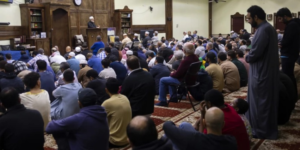
Muslims during the noon prayer in a mosque
PHOTO/Guardian