

Tehran and Haifa Targeted in Major Oil Facility Strikes Amid Israel‑Iran War
Share

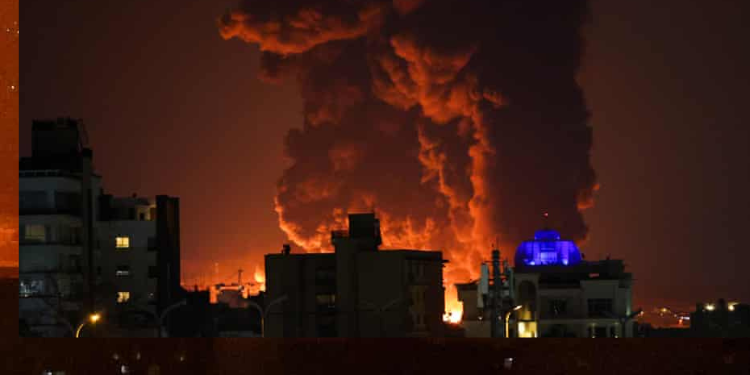
The Israel Defense Forces (IDF) carried out airstrikes late Saturday, March 7, targeting several fuel storage and oil facilities in Tehran, marking a significant expansion of the war beyond military and nuclear sites to include energy infrastructure.
In response, Iran’s Islamic Revolutionary Guard Corps (IRGC) said it launched missiles at an oil refinery in Haifa, northern Israel, in retaliation.
Late into the night, plumes of smoke and towering flames were seen rising over Tehran’s skyline and nearby Karaj after explosions rocked multiple fuel depots, as captured in videos circulated by international news agencies.
The Israeli military said the strikes hit “several fuel storage complexes” that it claimed were used to distribute fuel to military forces within Iran.
A military statement described the operation as delivering “significant damage to the military infrastructure of the Iranian terrorist regime,” crediting Israeli intelligence with identifying the targets.
State media in Iran blamed the explosions on a combined US and Israeli attack on the facility, which supplies fuel both to Tehran and adjoining provinces.
Also Read: Kenya-Israel Leaders Meet: Key Details from High-Level Talks
Iran’s Retaliation: Haifa Refinery Strike
In retaliation for the attacks on Iranian energy infrastructure, the IRGC announced it launched missiles at the oil refinery in Haifa late Saturday night March 7, according to Iranian state outlets.
Air‑raid sirens were reported in the Haifa area, although there were no immediate independent confirmations of major damage to the facility from Israeli authorities.
Significance of the Energy Targeting
Until now, military operations had focused on nuclear, military, and regime infrastructure.
The targeting of energy assets marks a shift in tactics that could carry broader strategic and economic implications for the region.
Broader War Context
The conflict, now in its second week, began with coordinated US‑Israeli airstrikes against Iranian nuclear and military targets.
It has since widened to involve multiple fronts, including Lebanon and the Gulf region, with reported missile and drone exchanges.
International shipping through the Strait of Hormuz has been disrupted, contributing to global energy market volatility.
Casualty figures continue to rise, with sources reporting significant loss of life and damage to civilian infrastructure across Iran and neighboring regions.
On the Ground: Eyewitness and Official Accounts
Residents near the affected Tehran sites reported powerful explosions and massive fires visible across the city.
Video footage from news agencies showed the night sky lit up by an intense blaze and smoke.
Also Read: KeNHA Issues Alternative Route as Flooding Hits Mai Mahiu–Suswa–Narok Road
The IDF highlighted on social media that the sites struck were linked to Iran’s military logistics, stating the regime “makes direct and frequent use of these fuel tanks to operate military infrastructure.”
What’s Next?
As both sides exchange strikes involving energy infrastructure, the conflict could broaden further, with economic impacts for global oil markets and heightened regional tensions.
International diplomatic efforts continue amid mounting pressure for de‑escalation.
Follow our WhatsApp channel for instant news updates
Plumes of smoke rises over Tehran after explosions were reported in Tehran Iran
PHOTO/Getty Images