

Why 379,000 Students Could Miss Out on HELB Loans
Share

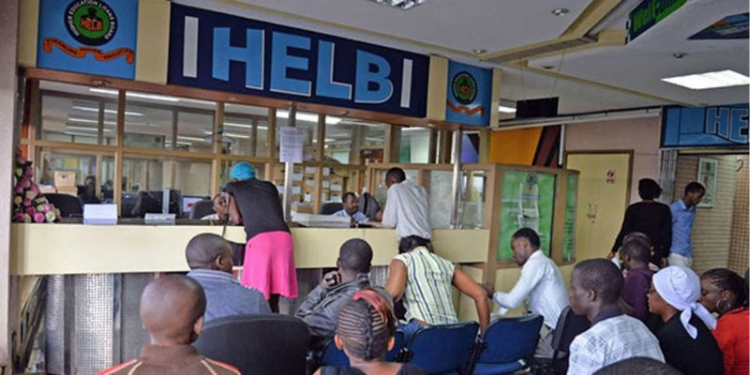
Thousands of university and TVET students in Kenya risk missing out on funding from the Higher Education Loans Board (HELB) due to a growing budget shortfall in the higher education sector.
Appearing before the National Assembly Education Committee, Principal Secretary for Higher Education, Beatrice Inyangala, warned that the government is struggling to meet the financial demands required to sustain student loans and scholarships.
The funding crisis threatens access to education for a significant number of learners across the country.
Data presented to lawmakers shows that HELB requires tens of billions of shillings to support students in the current financial year, but allocations remain far below the needed amount.
This gap has left hundreds of thousands of students uncertain about their academic future.
The situation reflects a broader funding crisis in Kenya’s higher education sector, where institutions are grappling with massive deficits affecting not only student loans but also staff salaries and operational costs.
Funding Crisis Deepens
The PS revealed that the shortfall is part of a wider financial strain that has seen the government allocate significantly less than what is required for university education support. In previous assessments, HELB needed over Sh75 billion but received just over Sh41 billion, leaving a substantial deficit.
This mismatch between demand and available resources has continued to widen, raising fears that more students could be locked out of higher education due to financial constraints.
Also Read: HELB Opens Loan Applications for Kenyan Nurses Seeking Advanced Studies
Appeal for Additional Funds
“In view of the above, we request an additional Sh43.6 billion to enable Helb to fully meet its student loan obligations for the current financial year. This intervention will ensure that no deserving student is denied access to higher education due to financial constraints.” The PS said.
Her appeal underscores the urgency of government intervention to prevent disruptions in learning, particularly for students from low- and middle-income backgrounds who rely heavily on HELB support.
Impact on Students and Universities
If the funding gap is not addressed, experts warn of increased dropout rates, delayed fee payments and mounting financial pressure on families. Universities could also face operational challenges as unpaid fees accumulate.
Also Read: Best Kenyan Universities for Education Degrees in 2026
The crisis comes at a time when the number of students requiring financial support continues to grow, further stretching limited resources. Without immediate action, the future of thousands of learners hangs in the balance, with access to higher education increasingly dependent on the availability of public funding.
Education stakeholders are now calling for urgent policy and budgetary interventions to safeguard student financing and ensure continuity in learning across institutions.
Follow our WhatsApp channel for instant news updates

PS Beatrice Inyangala warns that over 379,000 students could miss HELB funding due to a Sh32.9 billion budget deficit. PHOTO/ Courtesy