

Viral TikTok Fitness Content Tied to Rising Muscle Anxiety in Men
Share

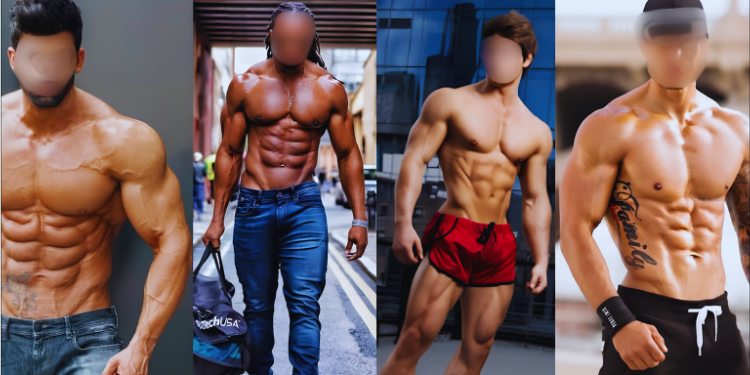
A new study has found that just a few minutes of fitness and supplement content on TikTok can negatively affect how young men view their bodies and increase their interest in muscle-building supplements.
The research, conducted by Flinders University and published in the journal Body Image, is among the first to experimentally measure the immediate psychological impact of such content.
Researchers surveyed more than 280 men aged 17 to 30, exposing them to three minutes of videos featuring either fitness advice, supplement promotions or unrelated travel content.
Participants were then asked to assess their feelings about their bodies, fitness and nutrition, as well as their intentions to use muscle-building substances.
Men who watched fitness or supplement-related videos reported lower satisfaction with their fitness and nutrition compared with those who viewed travel content.
They were also more likely to express interest in using creatine, a widely used muscle-building supplement.
The effect was particularly pronounced among those exposed to fitness-focused content, which reduced satisfaction levels and increased supplement interest more than videos directly promoting supplements.
TikTok Fitness Clips
Lead researcher Nepheli Beos said the findings show how quickly social media content can influence perceptions and behavior.
Also Read: Parliament Rejects TikTok Ban, Opts for Tough New Rules to Regulate Platform
“Just a few minutes of idealized fitness or supplement content can change how men feel about their own fitness and nutrition and increase their desire to seek products that promise faster muscle gains,” she said.
Senior author Ivanka Prichard noted that the issue goes beyond screen time, pointing instead to the nature of the content being consumed.
“It’s not screen time that’s the problem — it’s repeated exposure to hyper-muscular bodies, supplement promotions and steroid-style fitness content,” she said, adding that such exposure has been increasingly linked to muscle dysmorphia, a diagnosable condition involving obsessive concerns about muscularity.
The study also found that men with a stronger desire to be muscular were more vulnerable to these effects, showing greater dissatisfaction and a higher likelihood of considering more extreme muscle-enhancing substances.
Supplement Interest
A key driver behind these reactions was appearance comparison. Participants who compared themselves to the bodies shown in the videos reported poorer satisfaction and greater interest in supplements.
Also Read: Global Study Lists Top 10 Countries Targeted by AI Cybercrime
“Social comparison is a powerful but often overlooked driver of health behavior, especially on highly visual platforms like TikTok,” Beos said.
Researchers explained that not all fitness content or supplement use is harmful. However, they warned that many videos oversimplify benefits while downplaying potential risks, making it important for young men to critically evaluate what they consume online.
The findings shows the need for better media literacy and more responsible social media practices, particularly as platforms continue to shape health perceptions and behaviors among young audiences.
The study, titled “The impact of fitness and supplement TikTok content on body, nutrition and fitness satisfaction, and intentions to use muscle-building substances in young men,” was authored by Nepheli Beos, Eva Kemps and Ivanka Prichard.
Follow our WhatsApp channel for instant news updates

A photot of Professor Ivanka Prichard Flinders University. Photo/Handout