Auditor-General Exposes Ksh 30 Billion Eurobond Breach as Government Defaults on Security Loans
Share
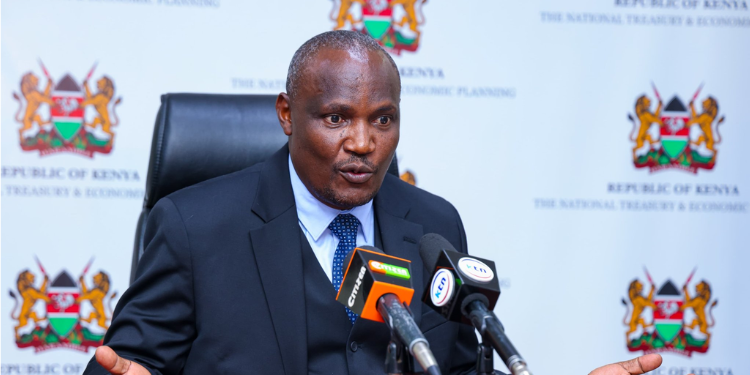
The Auditor-General, Nancy Gathungu, has flagged the National Treasury over the alleged diversion of Ksh 30 billion from Eurobond proceeds to cover domestic Treasury Bond shortfalls, a move she says breached the terms of the sovereign bond agreement and raised concerns over fiscal accountability.
“The utilisation of the sovereign bond proceeds to cover the Treasury Bond shortfalls was a breach of the subscription agreement,” says Gathungu, noting that the sovereign bond was intended for restructuring external debt obligations.
The audit further warns that the use of high-interest international debt to plug gaps in local borrowing operations distorts Kenya’s fiscal position and undermines transparency in public debt management.
Eurobond Proceeds Misuse Raises Audit Concerns
Gathungu also raised concern over missing records that would confirm whether the funds used to plug domestic debt gaps were later reimbursed once external financing was received.
She noted that the National Treasury failed to provide key documentation during the audit period, limiting auditors’ ability to reach a conclusive determination on the matter.
“This is because the National Treasury did not provide the required documentation during the audit period, making it difficult for the auditors to draw an informed conclusion,” the report states.
Also Read: Kenya Prices USD 2.25 Billion Eurobond, Targets 2028 & 2032 Notes
Ksh 193.9 Billion Eurobond issuance under scrutiny
The audit details that Kenya issued a USD 1.5 billion (approximately Ksh 193.9 billion) sovereign bond at an exchange rate of Ksh 129.25 per dollar, with an interest rate of 9.5%.
The instrument was structured as amortising notes due in 2026.
The funds were primarily intended for liability management, including the buyback of a maturing USD 900 million (about Ksh 116.33 billion) Eurobond.
An internal memo from the Resource Mobilization Department to the Cabinet Secretary on January 2, 2025, had requested approval for the issuance of an international sovereign bond “for liability management operation.”
Ksh 30 Billion Diverted to Domestic Debt Needs
According to the audit, internal Treasury records show that out of Ksh 188.35 billion realised from the issuance, only Ksh 78.32 billion was used for the intended Eurobond buyback operations.
“Out of a balance of Ksh 110 Billion, Ksh 30 Billion was used to cover domestic debt proceeds on April 7, 2025, pending disbursement of external resources,” read the report.
Also Read: Trump Announces US Operation to Rescue Stranded Ships in Strait of Hormuz
Legal and Contractual Breaches Flagged
The audit highlights that the bond’s use was governed by strict conditions outlined in the subscription agreement, offering circular, and deed of covenant.
Ms Gathungu warned that any deviation from the approved purpose could constitute a breach of agreement with investors.
“Any material deviation on the utilization of the proceeds requirements may constitute a breach of contractual obligations and warranties set out in the subscription agreement as well as the covenants made to the Note holders under the deed of covenant and terms and conditions of the Notes,” says Ms Gathungu.
Security Loan Defaults Worth Ksh 15.42 Billion
Beyond the Eurobond concerns, the Auditor-General also flagged unpaid bilateral loans tied to security-related contracts.
The government reportedly failed to service five bilateral loans amounting to Ksh 15.42 billion as of June 30, 2025, raising additional concerns over debt servicing discipline and its potential impact on Kenya’s credit profile.
Follow our WhatsApp channel for instant news updates
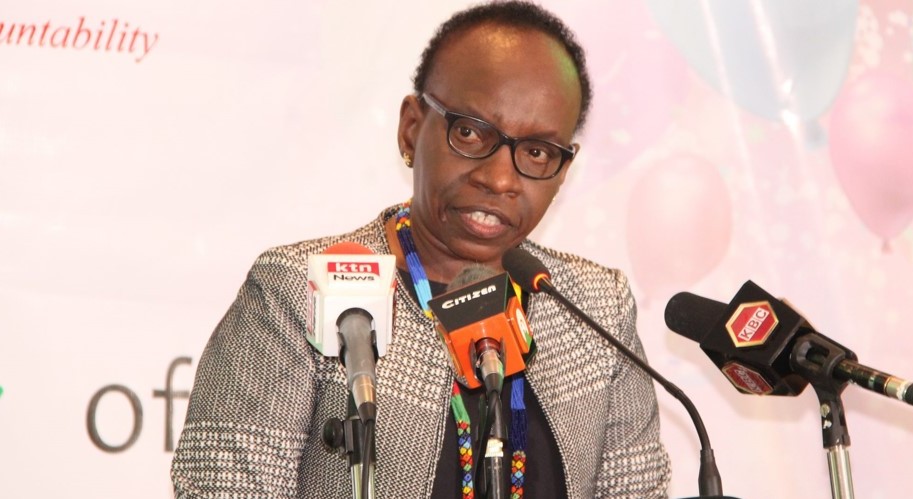
Auditor-General Mrs. Nancy Gathungu while addressing the press PHOTO/ Nation