Cancer Patients Narrate Struggles Under SHA
Share
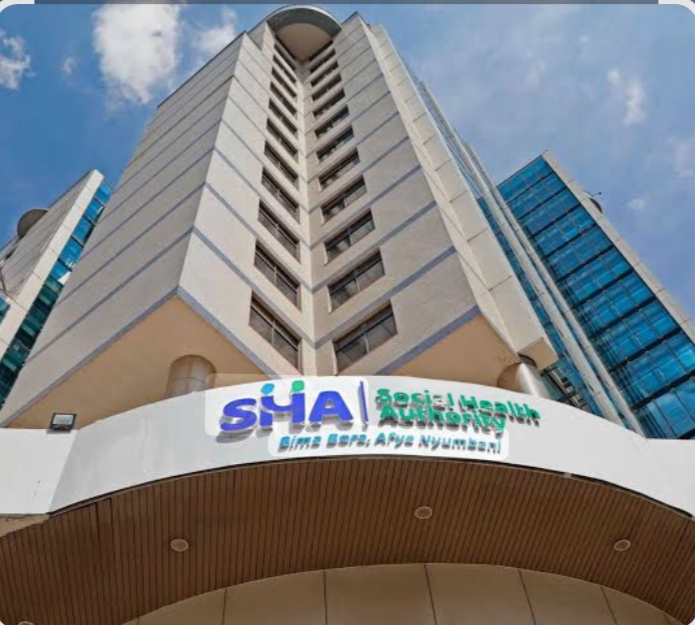
Cancer patients have decried the growing emotional and financial strain brought about by the new Social Health Authority (SHA) system, saying delays, unclear approvals, and rigid payment terms are worsening their suffering and disrupting treatment.
Appearing before the National Assembly Departmental Committee on Health, representatives of the Kenya Network of Cancer Organizations (KENCO) described a system in disarray that has left thousands of cancer patients stranded despite being fully paid-up members.
KENCO Executive Director Phoebe Ongadi said the shift from the National Health Insurance Fund (NHIF) to SHA had introduced new barriers for patients seeking chemotherapy, radiotherapy, and follow-up care.
“SHA has increased emotional distress more than the disease itself,” Ms. Ongadi said. “Patients live in constant fear—wondering when their treatment will be approved, when their financial year begins, or when they’ll be told to pay out of pocket.”
She cited the case of Mary Nafula, a fully registered member whose SHA account was declared expired midway through treatment despite having paid her annual premiums twice within three months.
“This kind of confusion is breaking patients emotionally and financially,” added Prisca Githuka, KENCO’s Vice Chairperson. “It shows how the system is failing the very people it was meant to protect.”
Lack of Information & Trained Staff
KENCO officials also faulted SHA offices in hospitals for lacking information and trained staff, forcing patients to travel to Nairobi for clarifications.
“Patients are simply told their accounts have expired, with no explanation,” said Ms. Githuka. “These offices must be empowered to serve patients effectively.”
The group urged the government to allow flexible premium payments, saying the current annual lump-sum model is unrealistic for most cancer patients in the informal sector.
“We are not refusing to pay,” Ms. Githuka said. “But paying the full annual amount at once is too burdensome. A monthly or quarterly option would be fairer.”
Peter Kinyanjui, a cancer survivor and matatu operator, supported the proposal, stating that informal workers would comply more easily if allowed to pay monthly, as was the case under the NHIF.
“My colleagues are willing to pay, but the one-off annual payment is too high,” he said. “If payments were monthly, many more would join and sustain the scheme.”
Also Read: SHA Issues Guidance for Kenyans Defrauded by Scammers
Concerns over SHA Fund
KENCO further raised concerns over the Primary Health Care Fund and the Emergency, Chronic, and Critical Illness Fund, stating that they remain largely unfunded, which undermines early diagnosis and access to care.
“On paper, these funds exist, but in reality, the coffers are empty,” said Ms. Ongadi. “Patients are told to transition to new coverage tiers after exhausting limits, yet no money is available. This defeats the purpose of Universal Health Coverage.”
The organization presented data showing that Kenya records about 44,700 new cancer cases annually, with over 29,000 deaths each year. The most common cancers are breast, cervical, prostate, oesophageal, and colorectal, with 70 percent diagnosed at late stages.
“We rely on global data, but even that may underestimate our reality,” KENCO said. “We must strengthen the National Cancer Registry for accurate local data to guide policy.”
Also Read: Cancer Survivor Narrates How Doctors Battle Illnesses and Suffer in Silence
Committee Response
Committee Chair Dr. James Nyikal (Seme MP) commended KENCO for its evidence-based advocacy, noting that the issues raised mirrored the committee’s own findings.
“What you have presented is consistent with what we have witnessed across the country,” Dr. Nyikal said. “We will incorporate your recommendations into our report and pursue further dialogue with the Ministry of Health and county governments.”
He emphasized that most challenges stem from gaps in information flow and fund management at the hospital level.
“Both patients and service providers lack information,” he said. “We will work with the ministry and counties to correct these systemic weaknesses.”
KENCO also called for the inclusion of cancer survivors and patients in policy-making bodies such as the Benefits Package Tariff Advisory Panel, to ensure their experiences inform future health reforms.
“We live through these policies every day,” Ms. Githuka said. “Our inclusion would ensure reforms are grounded in real patient experience.”
Dr. Nyikal welcomed the proposal, saying it would be relayed to the Health Ministry for consideration, though any legislative action might extend to early next year due to Parliament’s recess.
Follow our WhatsApp Channel and WhatsApp Community for instant news updates

National Assembly session on October 8, 2025. PHOTO/Parliament.