Muthaiga-Kiambu-Ndumberi to Be Expanded into Dual Carriageway, Says Cabinet
Share
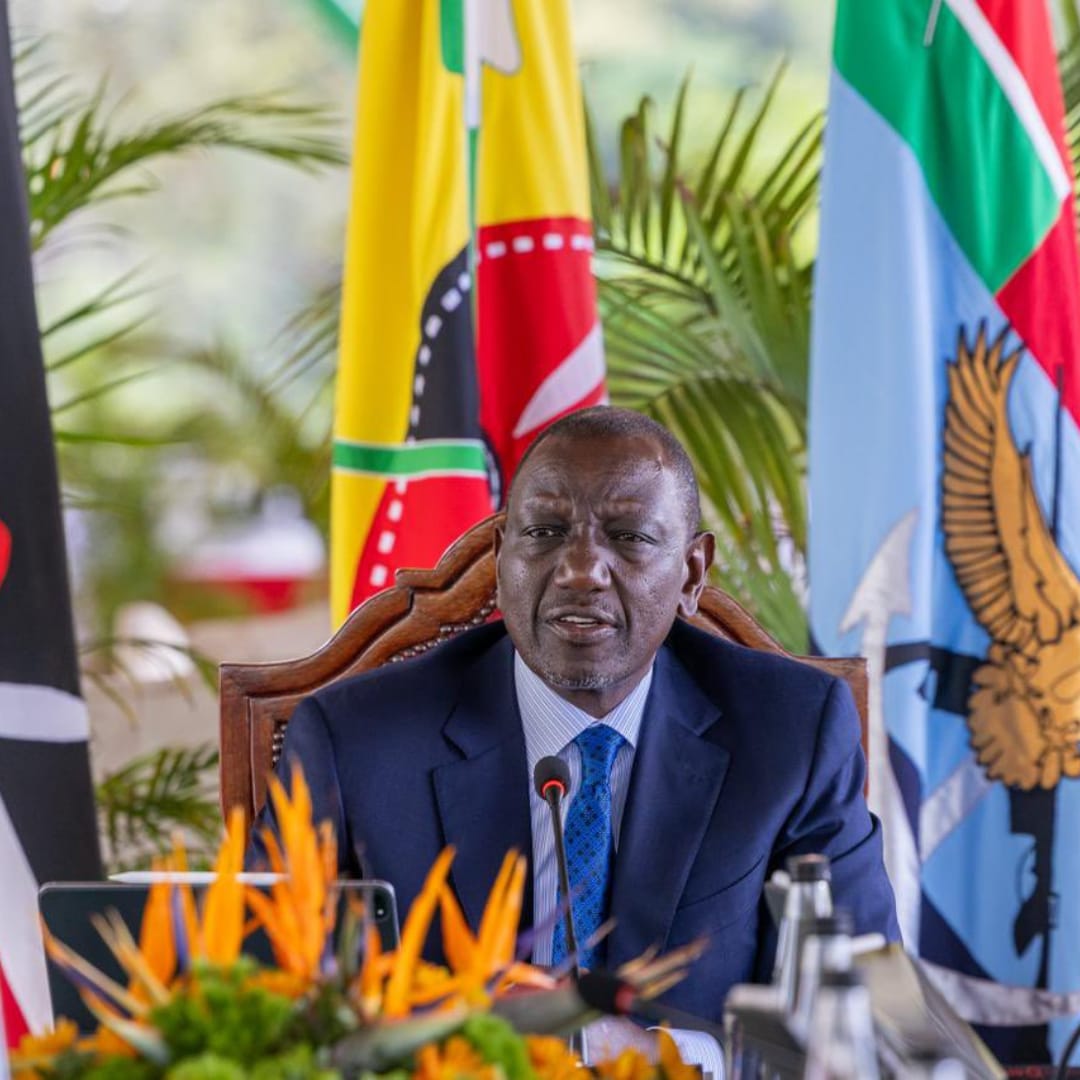
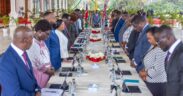
President William Ruto’s cabinet has approved a Comprehensive Framework for Infrastructure Projects Pricing to curb inflated project costs, enhance transparency, and improve value for money in public investments.
In a dispatch on Tuesday, November 11, the cabinet said the framework seeks to eliminate the irregular, inconsistent, and costly practices that have characterised the pricing of government infrastructure projects. It aims to establish a data-driven system for determining infrastructure costs, ensuring accountability and prudent use of public resources.
The reform will be overseen by the Chief of Staff and Head of the Public Service through a Multi-Agency Technical Working Team, which has already achieved key milestones, including the development of sectoral pricing models, cost derivation criteria, and proposals for establishing a National Infrastructure Pricing Database (NIPD).
Cabinet noted that despite significant infrastructure investments over the past two decades, the country continues to experience cost variability, overruns, and inconsistencies, challenges attributed to reliance on precedent-based estimates and limited market intelligence.
The pricing framework will adopt the First Principles Approach (FPA), successfully applied in countries such as the United Kingdom, Australia, and Singapore, to replace precedent-based costing with data-driven analysis, potentially reducing cost overruns by up to 25 per cent.
Also Read: Ruto Praises Museveni, Moi and Mkapa in His Latest Speech
Muthaiga-Kiambu-Ndumberi Road
The Cabinet gave the green light to the dualization of the 23.5km Muthaiga-Kiambu-Ndumberi road to ease congestion and improve mobility between Nairobi and Kiambu counties.
The project will expand the existing two-lane highway into a dual carriageway, complete with bypasses, loops, and access roads to increase capacity and reduce travel times.
It will also incorporate non-motorised transport lanes and commuter facilities to enhance road safety and accessibility.
Also Read: Ruto Appoints Former KMTC CEO as Jaramogi Oginga Odinga Hospital Chairperson
Cabinet noted that the corridor, serving Muthaiga, Runda, Ridgeways, and Kiambu Town, currently experiences chronic traffic congestion, particularly during peak hours.
“The dualling is part of the government’s broader effort to modernise Nairobi’s metropolitan transport network in line with Kenya Vision 2030 and the UN Sustainable Development Goals on infrastructure and mobility,” reads part of the dispatch.
Follow our WhatsApp Channel and WhatsApp Community for instant news updates
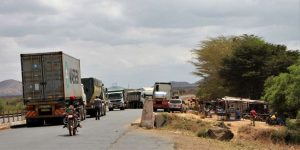
A section of Daraja Mbili, a roadside market on the border of Kajiado and Makueni counties along Mombasa-Nairobi highway. Plans for the expansion of the473-kilometer road into the Nairobi-Mombasa Expressway underway.