Countries Where Presidents are Ceremonial and Prime Ministers Hold Power
Share
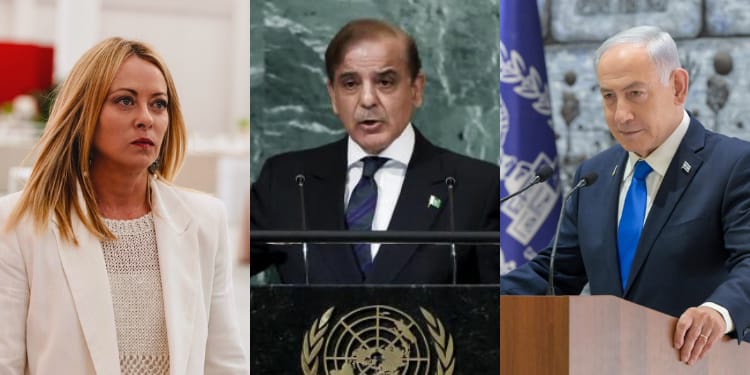
In many democracies around the world, there is a clear separation between the head of state and the head of government.
While the head of state, usually the president or monarch, exercises symbolic and ceremonial duties, the prime minister exercises actual executive powers and governs the state.
Understanding this distinction helps explain how countries balance tradition, continuity, and political accountability.
Ceremonial heads of state, whether presidents or monarchs, serve primarily as symbols of national unity and continuity.
Their primary duties are:
1. Symbolic Representation: They represent the country both internally and internationally, embodying the state and its cohesiveness.
Examples include Emperor Naruhito of Japan and King Charles III of the United Kingdom.
2. Formal and Constitutional Responsibilities:
- Signing bills into law and formal documents.
- Appointing the prime minister, usually based on the results of the parliament.
- Opening or dissolving parliament under constitutional regulations.
- Accrediting the foreign diplomats.
3. Ceremonial Functions
- Attending national functions, state ceremonies, and official events
- Hosting foreign dignitaries.
- Granting honors, awards, and titles.
4. Reserve Powers (Used Rarely)
Mediating between constitutional crises, e.g,. The dissolution of parliament or refusal to appoint a PM when constitutional rules are broken.
5.Non-Political / Neutral Role:
- Keeping out of everyday politics.
- Their role is to act as a unifying force in times of political turmoil or in times of national emergencies.
Also Read: Why Trump Has Cancelled US Vice President JD Vance’s Planned Visit to Kenya
Roles of Prime Ministers (Heads of Government)
Prime ministers, on the other hand, hold real political power and run the executive.
Their duties include:
1. Executive Authority:
- Leading the government and setting domestic and foreign policy
- Overseeing ministries and government departments.
- Decision making on law enforcement, defense, economy and social policy.
2. Political Leadership:
- Heading the cabinet and coordinating ministerial activities
- Representing the majority party or coalition in parliament
- Drafting and enactment of laws.
3. Accountability:
- Being answerable to parliament and, ultimately to the people.
- Maintaining parliamentary confidence to remain in office.
- Subject to removal through votes of no confidence.
4. Diplomatic & Security Role:
- Representing the country in international negotiations and treaties.
- Overseeing national security and national defense policies.
- Liaising with the head of state on diplomatic issues when necessary
5. Crisis Management:
- Leading the government’s response to emergencies such as natural disasters, economic crises, or security threats.
- Implementing government policies and strategies.
Also Read: Breakdown of the MoUs Signed Between Kenya and Malaysia
Key Examples
1. Germany: President Frank-Walter Steinmeier serves as the president, mainly performing ceremonial and representative duties; meanwhile, Chancellor Friedrich Merz leads the government, shapes policy, and manages the executive branch.
2. Italy: President Sergio Mattarella upholds the constitution and formally appoints the Prime Minister but Giorgia Meloni as a prime minister directs the government’s operations, economic policy, and political strategy.
3. Israel: President Isaac Herzog performs largely symbolic functions. In contrast, Prime Minister Benjamin Netanyahu wields actual political power; the government, military, domestic, and foreign policies are under his control.
4. India: President Droupadi Murmu serves as president with constitutional responsibilities, but real decision-making power is concentrated in Prime Minister Narendra Modi, who runs the cabinet, directs national policy, and leads the government.
5. Japan: The Emperor (Naruhito) is a largely ceremonial figure. The prime minister (Fumio Kishida), however, holds all executive power and is the central figure in governance.
6. Pakistan: while the president Asif Ali Zardari retains certain formal powers, the Prime Minister Shehbaz Sharif is the key political actor, driving government policy.
7. Bangladesh: President Mohammed Shahabuddin mostly fulfills a ceremonial and constitutional role, but the Prime Minister is the real political leader with executive control.
8 . United Kingdom: King Charles III is a Ceremonial monarch, represents the nation, signs legislation, while Prime Minister Rishi Sunak is the Head of government, runs policy, and leads the Cabinet.
9. Malaysia King Yang di-Pertuan Agong is a ceremonial Monarch and performs formal duties while Prime Minister Anwar Ibrahim leads the government, executes policies, and heads the Cabinet.
Why This System Exists
Separation of Symbolic vs. Executive Roles: Enables the head of state to provide the leadership of national unity, whereas the PM does the governance.
Political Accountability: Prime ministers are not only accountable to parliament but also to the people.
Checks and Balances: Ceremonial heads of state have the power of reserve to protect the constitution.
Stability & Continuity: A ceremonial head is a source of continuity even in times of political transition and an unbiased representation of the state.
Follow our WhatsApp Channel and WhatsApp Community for instant news updates
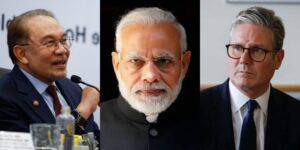
An image of examples of prime ministers who run the governments in their countries