
What It Takes to Become a Professor in Kenya: Qualifications and Requirements
Share
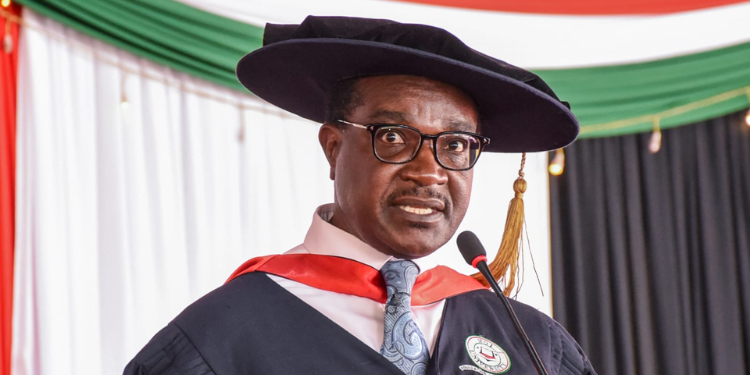
Becoming a full professor in Kenya remains a lengthy, evidence-driven process that combines formal qualifications, sustained teaching and research output, postgraduate supervision, and formal institutional review.
Universities and the Commission for University Education (CUE) set harmonized minimum standards, but individual institutions apply detailed promotion rules that candidates must meet.
At the foundation is an earned PhD, or internationally recognized equivalent, in the relevant discipline from an accredited university, a non-negotiable requirement across Kenyan public universities and most private universities.
Beyond the doctoral degree, candidates are expected to demonstrate an extended record of university-level teaching and supervision at both undergraduate and postgraduate levels.
Research output is the other pillar.
Promotion to professor typically requires a substantial number of refereed publications, evidence of research leadership like grants, books, or major chapters, and successful supervision of multiple master’s and doctoral students to completion.
The exact publication points, years of service at prior ranks, such as Associate Professor or Senior Lecturer, and supervision minima vary by institution but follow the general CUE framework.
Also Read: How to Become an Advocate in Kenya
Key academic milestones and timeframes
Most universities expect candidates to have served several years at senior academic ranks before appointment as professor, commonly three or more years as an Associate Professor or equivalent, and a cumulative decade of academic experience in many cases.
Candidates should compile clear evidence of teaching excellence, external examining, and leadership in curriculum development.
Research, publications and supervision expectations
Universities translate research requirements into publication points or scored criteria; for example, institutions may require dozens of publication points since the last promotion, with a specified proportion coming from refereed journals.
Candidates are usually expected to have supervised several master’s students and at least a few PhD candidates to successful completion.
Grant awards and international collaborations strengthen an application.
Also Read: Explainer: What It Takes to Become an MCA in Kenya and Their Roles
The promotion process and external review
Promotion to professor follows a formal process; internal departmental and faculty review, submission of a comprehensive promotion dossier, external peer review from established scholars, and final approval by university senate and council.
The Commission for University Education provides harmonized guidelines that universities adapt into their senate criteria and terms of service.
Disputes or appeals are handled under each university’s statutes.
Follow our WhatsApp Channel and WhatsApp Community for instant news updates

Commission for University Education building in Nairobi. PHOTO/The Standard.