
OPINION: The Perils of a One-Man State: Why Ruto’s Solo Politics May Backfire
Share

By Dr. Luchetu Likaka
President William Ruto is increasingly governing like a man who believes the state begins and ends with him.
What was first framed as decisive leadership is now shifting into centralization, defensiveness, and political overreach. Recently, his public criticism of government agency statistics, especially those showing sluggish economic growth, reveals more than frustration.
It shows discomfort with institutional independence and resistance to inconvenient truths. Instead of interrogating policy gaps, the response to data disputes signals a move from accountability to denial.
At the core of Ruto’s leadership is a personalized approach to power. He presents himself not only as head of government but also as its main driver and spokesperson.
However, this “one-man army” posture may project strength in the short term, but it weakens institutions that should sustain governance beyond personality.
Strong states depend on credible agencies, including statistical bodies and regulators. Therefore, undermining them for political convenience erodes public trust and investor confidence.
Leadership Style and Strained Institutions
Ruto’s presidency was built on bold promises of economic transformation, bottom-up empowerment and relief for ordinary citizens. Yet the gap between rhetoric and reality continues to widen.
The cost of living remains high, taxation has increased, and many citizens feel more pressure than relief. Instead of adjusting policy, the administration often turns to messaging and blame-shifting. Consequently, criticizing data rather than addressing structural issues suggests a focus on optics rather than outcomes.
Also Read: OPINION: 2027 Power and Pressure-Why William Ruto Leads, but the Race Is Far from Safe
Opposition Politics and Rising Polarization
Equally important is the president’s consistent criticism of the opposition. In healthy democracies, dissent plays a crucial role. However, Ruto often treats opposition as an obstacle rather than a necessary counterbalance.
This approach fuels polarization and shifts attention away from governance. Moreover, it creates a convenient external enemy that helps deflect scrutiny from internal challenges. Over time, this strategy risks weakening public trust, especially when economic conditions remain unchanged.
Church, Politics and Blurred Boundaries
Another concern is the president’s visible use of the church as a political platform. His frequent appearances in religious spaces often carry political messaging, which blurs the line between faith and governance. While personal faith is legitimate, using religious institutions for political validation raises ethical and constitutional concerns.
In addition, it risks politicizing sacred spaces and alienating segments of society. Ultimately, this may weaken both political credibility and moral authority.
Also Read: OPINION: Why Kenya’s Data Protection Act is the New Gold Standard for SMEs
Risks of Overcentralization
Ruto’s political energy and grassroots connection remain significant strengths. However, these strengths can become liabilities without institutional respect and strategic restraint.
Governing a modern state requires delegation, trust in systems, and openness to criticism. By centralizing authority and politicizing multiple spaces, from opposition politics to religious platforms, he risks isolating himself within his own government structure.
Historical Warning Signs
History often judges leaders harshly when control is mistaken for effectiveness. Warning signs are already visible, including institutional strain, public skepticism, and a growing gap between government messaging and citizen experience.
If this trajectory continues, the “one-man show” will not be remembered as decisive leadership. Instead, it may be seen as a costly miscalculation that weakened both the presidency and the state it was meant to strengthen.
Follow our WhatsApp channel for instant news updates
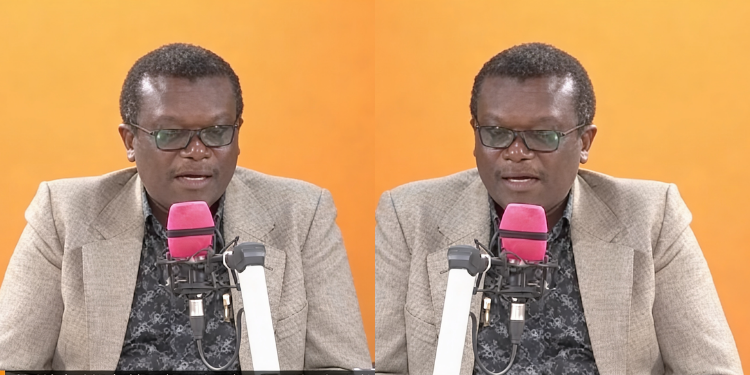
Dr. Luchetu Likaka. PHOTO/ Courtesy.