How Fuel Reaches Kenya: Pricing, Supply Chain, and What Drives Costs
Share
Fuel does not simply appear at petrol stations in Kenya. Before it reaches your car, it travels thousands of kilometres across seas and through pipelines in a carefully managed supply chain.
Step-by-step look at how fuel moves from international suppliers to local petrol stations.
Kenya imports most of its petroleum products from major Gulf-based energy companies such as Saudi Aramco, Abu Dhabi National Oil Company (ADNOC), and Emirates National Oil Company (ENOC).
These imports are handled under the Government-to-Government (G-to-G) fuel supply agreement introduced to stabilize the country’s fuel supply and ease pressure on foreign currency reserves.
Most of the fuel imported includes petrol, diesel, and kerosene, which are refined products ready for use.
Why the Government Introduced the G-to-G Deal
Kenya introduced the G-to-G fuel supply system in 2023 after facing severe fuel shortages in 2022.
At the time, fuel imports were placing significant pressure on the country’s finances. Kenya was spending about Sh1.5 billion daily on fuel imports, while the Kenyan shilling weakened sharply against the US dollar, reaching levels close to Sh166 per dollar.
Also Read: After Years of Delays, Kenya Targets First Oil Production by December 2026
The G-to-G system allows Kenya to receive fuel on credit rather than paying immediately, helping stabilize fuel supply and reduce demand for US dollars in the short term.
The Ocean Journey to Kenya
After fuel is loaded onto large tanker ships in the Gulf, the vessels begin their journey to East Africa.
The ships pass through the busy Strait of Hormuz, one of the world’s most important oil transit routes, before crossing the Indian Ocean toward Kenya.
Once near the Kenyan coast, the tankers dock at the Kipevu Oil Terminal, the country’s main fuel reception facility.
Fuel Offloading and Quality Testing
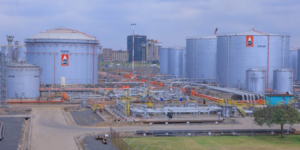
At the terminal, fuel is offloaded from ships into large storage tanks.
Before being accepted into the national system, the fuel undergoes strict laboratory testing to ensure it meets required quality and safety standards set by regulators such as the Energy and Petroleum Regulatory Authority (EPRA).
Only fuel that passes these quality checks is allowed into storage and distribution systems.
Moving Fuel Inland Through Pipelines
After storage at the coast, fuel is pumped inland through pipelines managed by the Kenya Pipeline Company (KPC).
The pipeline network transports fuel from Mombasa to major inland depots located in:
- Nairobi
- Nakuru
- Eldoret
- Kisumu
This pipeline system is faster, safer, and more efficient than transporting fuel by road alone.
From Depots to Petrol Stations
Once fuel reaches inland depots, it is stored temporarily before distribution.
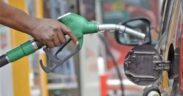
Fuel is then loaded into tanker trucks and transported to petrol stations across the country. These trucks deliver fuel to stations located in towns, cities, and rural areas, ensuring consumers have access to fuel for transport, businesses, and household use.
This final stage connects the national fuel network to the station nearest to your home or workplace.
How Kenya Pays for Imported Fuel
Under the G-to-G arrangement, Kenya does not pay for fuel immediately.
Instead, the country receives fuel on 180-day credit, meaning payments are spread over about six months.
This credit arrangement helps reduce pressure on the US dollar reserves and supports the stability of the Kenyan shilling.
The system also allows Kenya to maintain steady fuel supplies even during periods of economic strain.
What Determines Fuel Prices in Kenya
Fuel prices in Kenya are influenced by several factors beyond the cost of buying fuel internationally.
These include:
- Global fuel prices
- Shipping and insurance costs
- Storage and distribution expenses
- Exchange rate fluctuations
- Government taxes and levies
Taxes form a significant portion of the final pump price. Currently, consumers pay approximately:
- Ksh 81 per litre in taxes for petrol
- Ksh 69 per litre in taxes for diesel
- Ksh 55 per litre in taxes for kerosene
These taxes support infrastructure development and government revenue.
Also Read: Kenya Power Moves to Cut Use of Fuel-Powered Vehicles
The Risk: Limited Fuel Reserves
One of Kenya’s biggest fuel security challenges is limited storage capacity.
Currently, the country maintains fuel reserves lasting about 15 to 21 days.
This means any disruption, such as shipping delays, geopolitical tensions, or port congestion, can quickly lead to shortages.
Improving fuel storage capacity and diversifying supply sources are often discussed as ways to strengthen Kenya’s energy security.
Why This Supply Chain Matters
Understanding how fuel moves from the Gulf to your car helps explain why fuel prices change, why shortages sometimes occur, and why global events can affect local fuel availability.
From international suppliers to pipelines and tanker trucks, every step plays a crucial role in ensuring fuel reaches petrol stations across Kenya.
Follow our WhatsApp channel for instant news updates
Kenya Pipeline Company
PHOTO/File