
Explained: Polycystic Ovary Syndrome (PCOS), the Hormonal Disorder Behind Irregular Periods and Infertility
Share

Polycystic Ovary Syndrome (PCOS) affects millions of women globally. It is one of the most common hormonal disorders among women of reproductive age. It affects both reproductive and metabolic health.
The World Health Organization (WHO) defines PCOS as a condition where there are higher than normal androgen levels leading to irregular menstrual periods, abnormal ovulation, infertility, excess facial or body hair and acne in women.
WHO estimates that PCOS affects 8% to 13% of women of reproductive age worldwide. However, many women do not receive a diagnosis.
What PCOS is
PCOS develops when hormones fall out of balance. It affects how the ovaries release eggs. As a result, ovulation becomes irregular or stops completely.
In Kenya, specialists describe PCOS as a condition with three main features: irregular periods, excess male hormones, and polycystic ovaries.
“PCOS may present with excess hair on the face and body, severe acne and male pattern baldness,” Dr. Paul Koigi, a gynaecologist explains.
“Doctors confirm the condition through blood tests and ultrasound scans,” he adds.
Also Read: Ministry Activates OPD Services at New 150-Bed Wanini Kireri Facility
Why PCOS is Often Misunderstood
PCOS confuses many patients and even some health workers. It does not present the same way in every woman.
Some women develop visible symptoms such as acne or facial hair. Others only notice irregular or missed periods. As a result, many women delay seeking medical help.
“PCOS can significantly impact a woman’s reproductive health, emotional well-being, and quality of life,” Dr. Koigi says.
In addition, many women treat irregular periods as normal. This delays diagnosis until fertility problems appear.
Symptoms of PCOS
PCOS shows different symptoms in different women. However, common signs include:
- Irregular or missed periods
- Difficulty getting pregnant
- Excess hair growth on the face or body
- Acne or oily skin
- Weight gain
- Hair thinning on the scalp
Long-Term Health Risks
PCOS affects more than fertility. It also increases long-term health risks.
Women with PCOS face a higher risk of:
- Type 2 diabetes
- Cardiovascular disease
- Infertility
- Endometrial complications
In Kenya, doctors warn that complications may also include gestational diabetes, high blood pressure, and metabolic disorders.
“PCOS may lead to gestational diabetes, high blood pressure, pre-eclampsia, premature birth, early pregnancy loss, fatty liver and Type 2 diabetes,” Dr. Koigi notes.
Research also shows that infertility affects a large number of women with PCOS, especially when the diagnosis comes late.
Also Read: Hope in Murang’a as Over 400 Women Receive Free Fistula Services
Why Early Diagnosis Matters
Early diagnosis improves outcomes. It also reduces long-term complications.
“The most important aspect of PCOS is to establish an early diagnosis and institute treatment early in order to avoid a myriad of potential complications such as infertility, diabetes and cardiovascular disease,” Dr. Koigi says.
Treatment focuses on managing symptoms. Doctors may recommend lifestyle changes, hormonal therapy, or fertility treatment depending on the patient.
In addition, regular monitoring helps reduce risks linked to diabetes and heart disease.
PCOS affects millions of women worldwide, including in Kenya. It presents in different ways, which makes diagnosis difficult.
However, early detection improves treatment outcomes. It also reduces long-term health risks. For this reason, health experts continue to emphasize awareness, timely screening and proper medical care.
Follow our WhatsApp channel for instant news updates
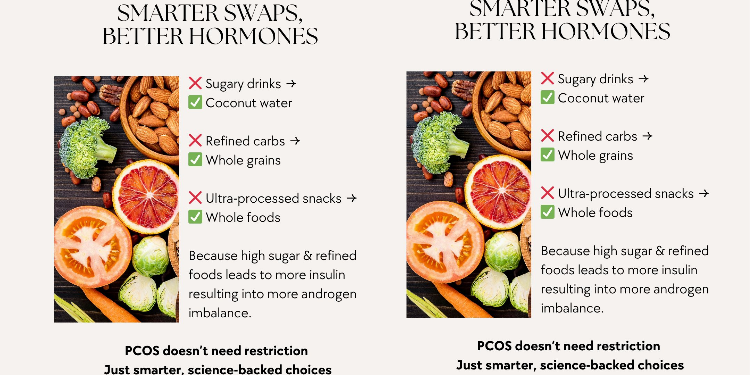
A selection of foods commonly recommended for managing Polycystic Ovary Syndrome (PCOS), focusing on balanced nutrition and healthy dietary choices. PHOTO/ Deepta Nagpall X