IEBC Unveils Digital Plan to Bring Millions of New Voters on Board for 2027
Share
Kenya’s electoral body has outlined a technology-driven strategy aimed at simplifying voter enrolment and expanding participation ahead of the 2027 General Election.
The Independent Electoral and Boundaries Commission (IEBC) says the initiative is designed to lower barriers that have historically discouraged young people from registering, while maintaining the credibility of the voter roll.
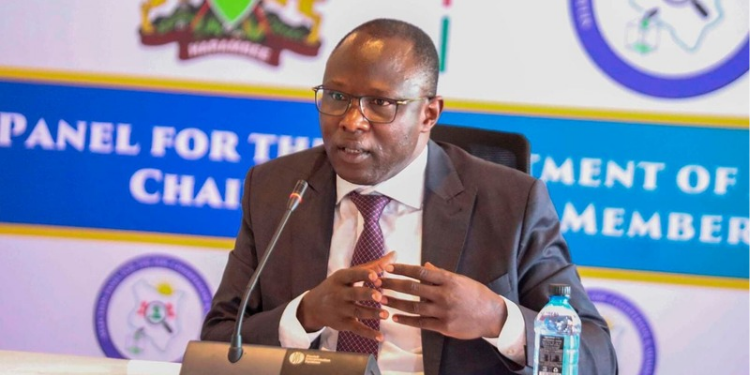
Speaking during a prayer breakfast on February 4, IEBC Chairperson Erastus Ethekon said the Commission is preparing to roll out an online pre-registration system that will reduce the time citizens spend at registration centres.
The move, he noted, reflects a broader shift towards digital public services and is intended to complement, rather than replace, physical registration.
“We are introducing a digital platform where you have a link, a pre-registration form, you can fill all your details and all you need to do is walk into the nearest Huduma or registration center and give your fingerprints,” he said.
Ethekon stressed that the Commission’s preparations for the next polls remain on track, with voter registration forming a central pillar of the electoral roadmap.
Goals for the Digital Push and the Voter Registration Drive
The IEBC aims to add 6.3 million voters, specifically targeting citizens new to voting by being at least 18 years of age, citizens who are yet to register to vote, and citizens wanting to change their polling location.
According to Ethekon, early phases of continuous registration have yielded modest numbers but have not dampened the Commission’s resolve.
“We are not worried because of the low numbers. Continuous voter registration is based at the constituency level. We plan to roll out a mass voter registration in March and through that we will set up registration centres in every village,” he added.
Also Read: IEBC CEO Marjan Hussein Resigns
Call for Stakeholder Support
Beyond technology, Ethekon appealed for collective responsibility in shaping the next election cycle, urging institutions and opinion leaders to play an active role in civic education.
He has urged the clergy, media and stakeholders to contribute to “making 2027 the best election in the history of Kenya”.
However, the chairperson acknowledged that the Commission’s ambitions face serious obstacles that could undermine progress if left unresolved.
Budget Challenges and Legal Limitations
Among the most immediate obstacles Ethekon discussed were funding challenges, warning that due to limited funds, outreach could be limited to marginalized populations and areas with limited ability to access the internet.
“Without these budgets, we will be incapacitated to reach out to these young people, vulnerable persons and places without the digital media,” he stated.
He also pointed to outstanding legal reforms, including the implementation of the two-thirds gender rule, calling on political actors to encourage greater participation of women in elective politics.
Also Read: IEBC Reveals Key Issues That May Affect the 2027 Election
In November last year, Ethekon revealed that the IEBC sought Ksh 61.7 billion from Parliament to manage election-related activities, only for the allocation to be reduced to Ksh 57.3 billion.
He cautioned that the shortfall could have far-reaching consequences.
Erastus warned that a trimmed budget would compel the Commission to reduce staffing levels at polling stations and the national tallying centre, potentially disrupting election management and public confidence.
Follow our WhatsApp channel for instant news updates

IEBC Official Marks Ruto’s Finger After Voting in Koilel Primary School UDA Grassroots Elections. PHOTO/ File