The United Arab Emirates Announces Exit from OPEC, Effective May 1
Share
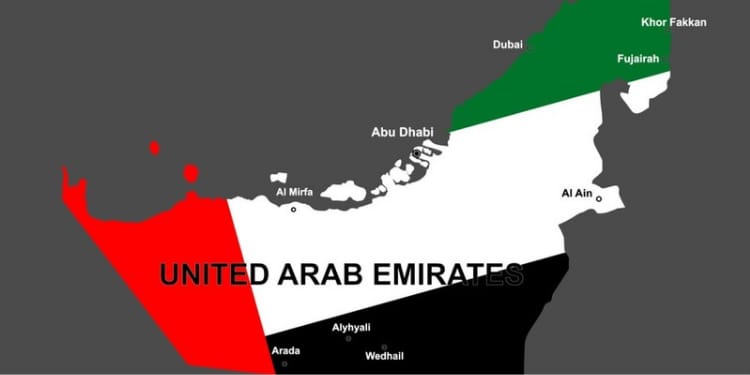
The United Arab Emirates (UAE) has announced that it will leave the OPEC and OPEC+ groups of major oil-producing nations effective May 1. The country has been a member of the alliance for nearly six decades.
The UAE said the decision reflects its long-term strategic and economic vision. It also pointed to its evolving energy profile as a key factor behind the move.
The announcement signals a significant shift in the country’s energy policy as it seeks to align its plans with changing global and domestic priorities.
The decision is seen as a blow to the cartel with one analyst describing the exit as the beginning of the end of Opec.
More Flexibility Outside OPEC
The Gulf state’s energy minister said being a country with no obligation under the groups would provide more flexibility.
The UAE joined Opec in 1967 and its departure will leave the oil cartel with 11 members.
Also Read: UAE, Abu Dhabi and Dubai: What’s the Difference?
Analysts Warn of Major Impact
Saul Kavonic, head of energy research at MST Financial, said it was the beginning of the end of Opec.
“With the UAE leaving, Opec loses about 15% of its capacity and one of its most compliant members,” he added.
According to the latest figures from Opec, UAE produces 2.9 million barrels of oil a year. Saudi Arabia, the de facto leader of Opec, produces nine million barrels of oil.
“Saudi Arabia will struggle to keep the rest of Opec together and effectively have to do most of the heavy lifting regarding internal compliance and market management on its own,” Kavonic said.
He added that other Opec members could follow suit.
“This present a fundamental geopolitical reshaping of the Middle East and oil markets,” he further stated.
Also Read: Foreign and Kenyan Investors Acquire Over 57% Stake in Gulf African Bank – Full Details
OPEC’s History and Membership
Opec was formed in 1960 by five countries – Iran, Iraq, Kuwait, Saudi Arabia and Venezuela. Its aim has been to co-ordinate production and provide steady revenue for its members.
The number of countries in the cartel has changed over the years. In addition to the founding members, it now includes Algeria, Equatorial Guinea, Gabon, Libya, Nigeria and the Republic of the Congo.
Follow our WhatsApp channel for instant news updates
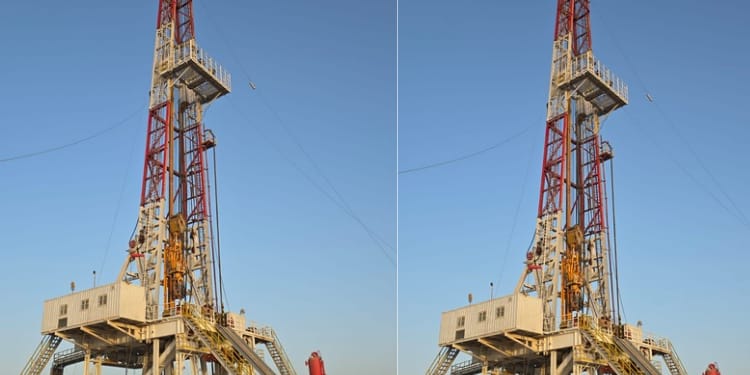
Gulf Energy has secured the GW70 rig, valued at more than US$15 million (Ksh 1.948 billion) from a Company in the United Arab Emirates (UAE). PHOTO/FILE.