The Disgrace of Gijón: The World Cup Match That Changed Football Forever
Share
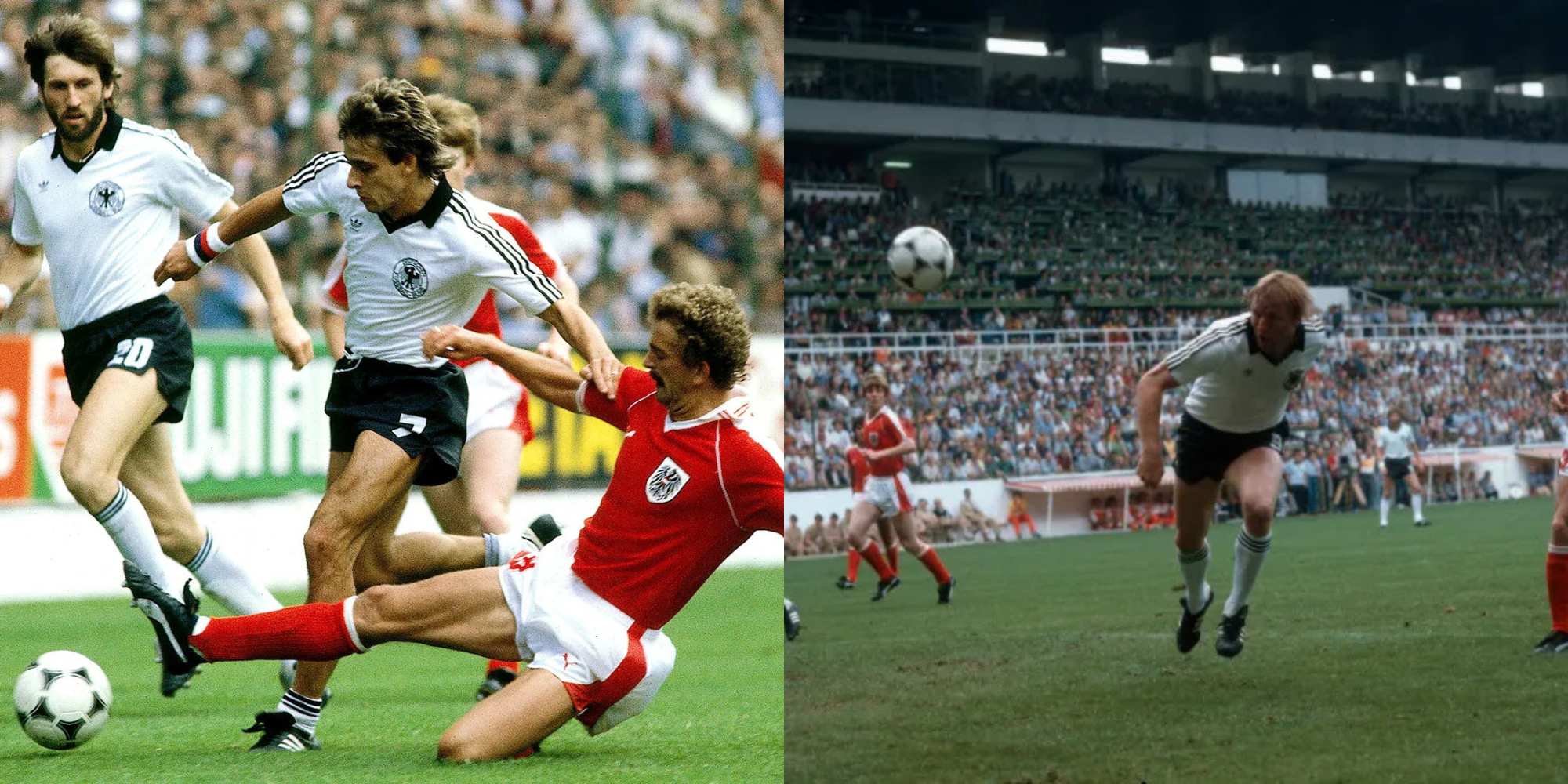
On June 25, 1982, football witnessed one of the most controversial matches in its history-The Disgrace of Gijón.
What happened at El Molinón Stadium in Gijón, Spain, left a lasting stain on the World Cup and forced FIFA to change its tournament rules forever.
The match between West Germany and Austria became known as the “Disgrace of Gijón” after both teams appeared to play for a result that would benefit them while eliminating Algeria from the tournament.
The controversy stemmed from a flaw in the 1982 FIFA World Cup format.
Unlike today, the final group-stage matches were not played at the same time.
This meant teams entering the final match already knew what result they needed to qualify.
In Group Two, Algeria had already completed all three of its matches. The North African side had earned four points, which was impressive at a time when a win was worth only two points.
Algeria had shocked the football world by defeating West Germany 2-1 in their World Cup debut. They later lost 2-0 to Austria before beating Chile 3-2.
With Algeria’s campaign finished, the final group match between West Germany and Austria would determine who advanced.
The Disgrace of Gijón: When the Match Stopped Being a Contest
After the goal, both teams appeared content with the scoreline.
Players passed the ball around with little urgency. They rarely attacked and showed little interest in creating scoring opportunities.
The pace of the game slowed dramatically, and neither side seemed willing to take risks.
Scottish referee Bob Valentine, who was officiating his first World Cup match, later recalled the moment he realized something was wrong.
“After about 20 minutes, I began to feel uncomfortable. I thought to myself, ‘Nobody is tackling anybody here.’ Then a player crossed midfield with the ball, stopped, and simply passed it backwards to his goalkeeper. Instead of attacking, he played back. That was the moment I realised something was seriously wrong.”
Valentine said the match effectively ceased to be a genuine contest after the opening goal.
“Once the goal went in, it became obvious there was going to be no contest. There were one or two taken fouls, but mostly one team kept possession for a while before giving it back to the other.”
The game ended 1-0, exactly the result both teams needed.
Furious Fans React
The 41,000 spectators inside El Molinón Stadium quickly realized what was happening.
Fans booed loudly and whistled throughout the match. Some Algerian supporters held banknotes through the fences to mock what they believed was a bought result.
Reports from the time said one angry German supporter even burned his country’s flag in protest.
Several fans attempted to invade the pitch as frustration grew.
Television commentators also struggled to hide their disappointment. German commentator Eberhard Stanjek reportedly sounded close to tears, while an Austrian commentator advised viewers to switch off their televisions.
He then remained silent for the final 30 minutes of the match.
Also Read: The Most Unforgettable World Cup Upsets in History
Algeria Pays the Price
The final whistle confirmed Algeria’s elimination from the tournament.
Many observers believed both teams had protected a result that suited them at Algeria’s expense.
The Algerian Football Federation lodged an official complaint with FIFA, arguing that the match violated the spirit of fair competition.
However, FIFA took no action. The result stood.
West Germany advanced to the second round and eventually reached the World Cup final, where they lost to Italy. Austria also progressed but exited in the second round.
Referee Blames the Coaches
Years later, Bob Valentine placed much of the responsibility on the coaching staff.
“You have to admit the coaches were responsible. They were on the touchline. It was their duty to urge the players to keep playing- not mine.”
He added, “None of the players looked remotely ashamed. They came onto the pitch to do this, and that’s exactly what they did. It was obvious to everybody.”
Also Read: Forgotten World Cup Heroes Who Deserve More Recognition
FIFA Changes the Rules
The backlash from the match was huge.
Although FIFA allowed the result to stand, football authorities understood that the situation could not be allowed to happen again.
As a direct result of the Disgrace of Gijón, FIFA introduced a major rule change. Beginning with the 1986 World Cup in Mexico, the final matches in every group would be played on the same day and at the same time.
The rule remains in place today.
A Lesson That Reached the Premier League and Beyond
The impact of the Disgrace of Gijón extended far beyond the World Cup.
Today, major competitions around the world schedule decisive final-round matches simultaneously to protect the integrity of the competition.
The Premier League plays all final-day fixtures at the same time. Similar practices are used in the UEFA Champions League, UEFA Europa League, the European Championship, La Liga, Serie A, Bundesliga, and other major competitions.
Follow our WhatsApp channel for instant news updates
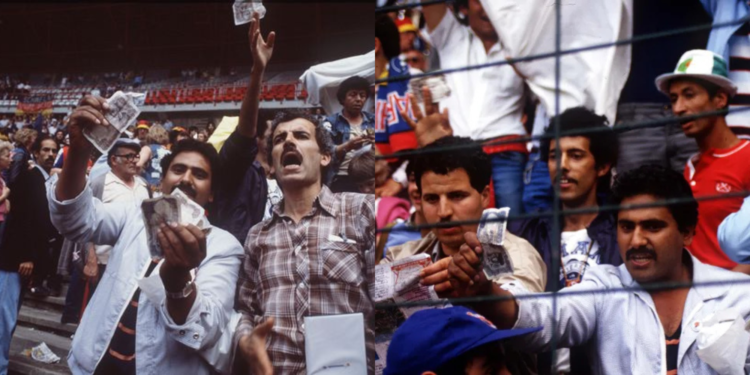
Algerian fans wave banknotes in disgust at the West Germany and Austria match. PHOTO/ColorSport