
Kenya’s Electric Vehicle Network Grows as BasiGo Launches First Fast Charger Outside Nairobi
Share

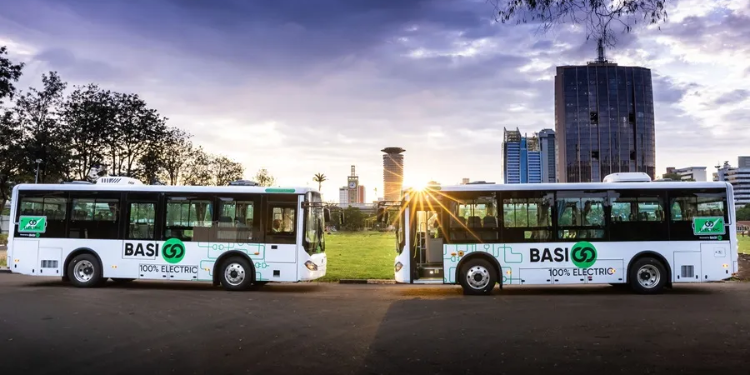
Electric vehicle mobility company BasiGo has launched the first public 100kW fast-charging station outside Nairobi in a partnership with Rubis Energy Kenya.
The board stated the move marks a transition from city-only EV infrastructure to intercity corridors.
The new station at Sabaki, Athi River, is now open to the public and will cater to electric buses, vans, trucks and passenger vehicles.
Later in July, the partnership will add three more sites in Meru, Nanyuki and Nyeri, leveraging Rubis’ existing fuel station network to increase access.
Both companies said that each station will be equipped with CCS2 and GB/T DC 100kW fast chargers.
Also Read: Pauline Njoroge Resigns From Jubilee Party, Reveals Her Next Political Move
Expansion of Electric Vehicle (EV) Charging Infrastructure in Kenya
Passenger cars can be charged in less than an hour.
“All sites will be charged at an indicative rate of Ksh 48 per kWh to ensure consistency across the network.” The board stated.
The move addresses a major obstacle to EV adoption in Kenya: the lack of charging infrastructure outside of Nairobi.
“Scaling electric mobility requires infrastructure, and that’s exactly what this partnership with Rubis is building,” said Jit Bhattacharya, CEO and Co-Founder of BasiGo, adding, “We are creating the infrastructure that will power EV operations beyond Nairobi and connect communities across Kenya. This is a massive step forward for Kenya’s E-mobility industry, and it is a model we intend to replicate as we scale across the region.”
Also Read: Why Are Nairobi Clubs Naming Themselves After Cartels?
BasiGo Kenya Managing Director Moses Nderitu said the Focus now is on making it Scalable.
“The question is no longer whether operators and the public want to go electric, but whether the infrastructure is in place to support them at scale,” Nderitu said. “Every charging station we deploy along key transport corridors strengthens the business case for electric mobility and makes intercity electric transport more practical, reliable, and commercially viable.”
The rollout comes as fuel costs rise for commercial operators and public transport providers are under pressure to reduce emissions.
The companies say they can roll out chargers more quickly by tapping into Rubis’ network of service stations across the country and access routes used by buses and logistics companies.
Industry analysts say reliable, standardized charging at KES 48 per kWh could help make electric buses and trucks cost-competitive for operators running Nairobi-Mombasa, Nairobi-Nanyuki and Nairobi-Meru routes.

Electric vehicles mobility company BasiGo has launched the first public 100kW fast-charging station outside Nairobi in a partnership with Rubis Energy Kenya. Credits Rubis IG