
Inside New Bill That Seeks to Keep Some State Information Secret for Up to 30 Years
Share

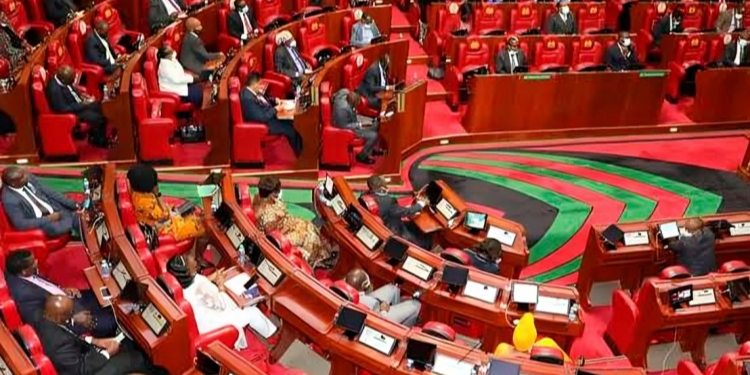
A proposed Bill before Parliament could introduce a new system for classifying sensitive State records and limit Access to Information by keeping some government documents classified for up to 30 years.
The proposal has attracted fresh attention after social media posts published on September 4 and 5, 2026, highlighted provisions that would place sensitive government information into four classification categories.
Shoba Gatimu raised the issue on X on Friday, September 4, identifying the proposal as the Access to Information (Amendment) Bill, 2025, which she said had been drafted as the Official Secrets (Amendment) Bill, 2025, under reference NA/DLS/BILLS/2/43/2025.
“Parliament is preparing a Bill to protect/ withhold state information from the public. This bill will restrict access to ‘sensitive’ state information and classify it as either Top Secret, Secret, Confidential or Restricted. The restriction on information will apply for 30 years,” Gatimu posted..
Access to Information Bill Proposes Four Classification Categories
The proposal, sponsored by Kilifi North MP Owen Baya, seeks to establish a legal framework for classifying, protecting, reviewing and declassifying information held by State institutions.
In July 2026, the National Assembly Departmental Committee on Communication, Information and Innovation considered the proposal and heard from Baya as lawmakers examined the intended changes.
Under the proposed framework, State information would fall into four categories: Top Secret, Secret, Confidential and Restricted.
In addition, the proposal would define terms such as classified information, sensitive information, declassification and downgrading.
Furthermore, State institutions would have to mark and register classified records and periodically review their classification status.
The proposal provides for automatic declassification after 30 years unless lawful grounds justify continued protection.
Also Read: Govt Hits Schools With New Restrictions Ahead of 2026 KCSE, KPSEA Exams
The proposed framework would therefore affect Access to Information by establishing circumstances under which certain State records could remain protected from disclosure.
The Bill would also create offences and penalties for the unauthorised disclosure of classified information.
Baya Explains Purpose of Access to Information Proposal
Baya has defended the proposal as a way of addressing gaps in the existing framework while maintaining constitutional protections on Access to Information.
“This Legislative Proposal seeks to strike an appropriate balance between the constitutional right to access information and the need to protect information whose disclosure could undermine national security or the interests of Kenya,” Baya told the committee.
Also Read: Court Rules on Whether Kenyans Can Recall MPs
Additionally, Baya has pointed to technological changes and the growth of cyberspace as factors that require stronger safeguards for government information.
“Government agencies sometimes prefer to stick to the old ways. But cyberspace has expanded, new technologies have emerged, and new threats continue to arise. We must respond to these realities,” Baya said.
According to Baya, the existing legal framework guarantees the public’s right to Access to Information but provides limited guidance on how State agencies should classify and safeguard information whose disclosure could affect national security.
Consequently, the proposed legislation would establish a formal process for classifying information, protecting classified records, reviewing their status and eventually declassifying them.
Follow our WhatsApp channel for instant news updates

A photo of Kilifi North MP Owen Baya speaking in January 2026. PHOTO/ Owen Baya Facebook