
CA Publishes New Rules for Deactivation and Recycling of Mobile Numbers
Share
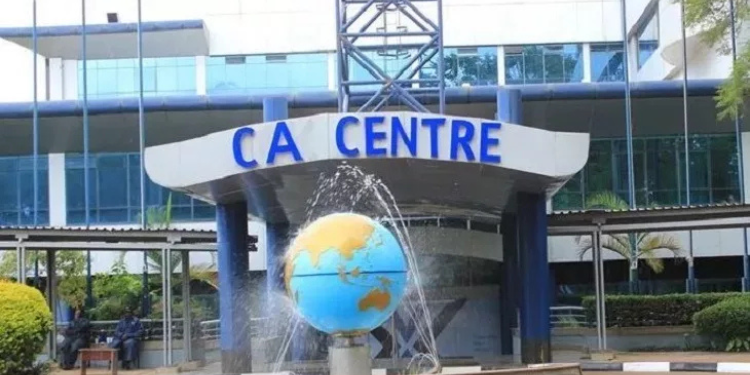
The Communications Authority of Kenya (CA) has issued new rules governing the deactivation and recycling of inactive mobile phone numbers.
The guidelines set out the procedures and technical safeguards that telecommunications companies must follow before they deactivate and eventually assign an inactive number to another subscriber.
The rules are contained in the Procedures and Technical Safeguards for Deactivation and Recycling of Inactive Telecommunication Numbering Resources, document number CA.G.520:2026, Version 1.0.They will take effect on September 19, 2026.
CA Says Mobile Numbers to Be Deactivated After Three Months
Under the new guidelines, the deactivation and recycling process will begin when a mobile number records no revenue-generating activity for three months.
The CA defines such activity to include:
- Making or receiving a call
- Sending or receiving an SMS
- Using mobile data
- Topping up airtime
- Using the number for a value-added service
Once a service provider detects the inactivity, it must make efforts to notify the registered owner using contact details collected during the SIM registration and Know Your Customer (KYC) process.
The notification may include sending an SMS to the affected number and using other contact information associated with the subscriber.
Subscribers Get an Additional Three Months
The notification process will continue for an additional three months, unless the owner resumes a revenue-generating activity.
Thirty days before the end of this additional three-month period, the service provider must publish a list of numbers that are at risk of deactivation and recycling.
The affected subscribers will then have 30 days from the date of publication to reactivate their numbers.
The CA also requires service providers to issue a general notice of their intention to deactivate and recycle inactive numbers.
The notice must be posted on the provider’s website, publicised through other media and published in a daily newspaper with nationwide circulation on a quarterly basis.
Subscribers Can Check Number Status
The public notice must include the *106# option, which allows subscribers to check the status of their mobile number.
The status may show whether a number is:
- Active
- Suspended
- Under recycling
- Deactivated
This gives subscribers an opportunity to establish the status of their numbers and take action before they lose them.
Previous Owner’s Data Must Be Protected
The CA has also introduced safeguards to protect personal information linked to a mobile number.
Once the notice period expires and the number remains inactive, the service provider must delink and securely archive the previous owner’s personal data, cached data and services.
The information must be protected in a way that prevents a new subscriber from accessing or inheriting data belonging to the previous owner.
However, service providers must continue retaining records required under the law.
The providers must also keep records showing the efforts they made to contact the original subscriber for a period in line with the requirements of the Data Protection Act, 2019.
Central System to Track Recycled Numbers
After deactivating numbers, service providers must submit a list of all deactivated and recycled numbers to a centralised system every quarter.
The system will allow third parties to update their records before making calls or sending SMS messages relating to obligations associated with those numbers.
Once this process is completed, the service provider can begin recycling the number and make it available for registration by a new subscriber.
New Rules on Marketing Messages
The CA has also introduced strict requirements on marketing and business-to-customer (B2C) messages.
Before deactivating and recycling a number, the service provider must delink it from all previously opted-in B2C messages.
Newly issued and recycled numbers must, by default, not receive marketing messages from either the service provider or third parties.
For a business to send a B2C message, the subscriber must have explicitly dialled a USSD code consenting to receive messages from that particular business.The USSD code must be specific to the business.
This means that consenting to receive messages from one company will not amount to consent to receive B2C messages from other companies.
Service providers must maintain records of the USSD codes subscribers dialled to give consent for B2C messages throughout the period that the number remains active.
Subscribers Can Request Whitelisting
The guidelines also provide a way for certain numbers to be protected from deactivation when the registered owner is unable to use the number for an extended period.
Any person, including a caregiver of someone who may be indisposed and unable to use their number for more than six months, can notify the service provider and request that the number be whitelisted.
The request can be made at the service provider’s office or outlet or through another foolproof method provided by the company.
The requesting person must present original identification documents for both themselves and the affected subscriber, together with any other supporting documents required.
The service provider will only whitelist the number if it confirms that the number is inactive.
Whitelisting will last for one year and can be renewed for another year if updated information is provided and the number remains inactive.
Also Read:Communications Authority Moves to Protect Private Data from Recycled Numbers
Prisoners Can Have Numbers Whitelisted
The guidelines also address people serving prison sentences and those held in remand for extended periods.
The Commissioner General of Prisons must, within three months of a person being committed to a prison term of more than six months, submit the person’s telephone number and national identification number to the respective service provider for whitelisting.
The submission must indicate the duration of the conviction, and the convict must also be notified.The same process will apply where a suspect is denied bail and is likely to remain in remand for more than six months.
After receiving the information, the service provider must verify the telephone number against its records and whitelist it for a period corresponding to the duration of the conviction.
Once that period ends, the number will again become subject to the normal deactivation and recycling process.
Rules Follow High Court Decision on Digital Identity
The new guidelines follow a May 19 High Court determination concerning the reassignment and recycling of deactivated mobile phone numbers.
The court declared that a registered mobile phone number constitutes a digital identifier linking personal data to an individual.
The court found that such information relates to an individual’s private affairs and therefore qualifies for protection under Article 31(c) and (d) of the Constitution.
These provisions protect the right of individuals not to have information relating to their private affairs unnecessarily required or disclosed.
The determination followed a petition challenging the reassignment and recycling of previously registered mobile numbers after prolonged inactivity or non-use.
Also Read:Kenyan Tech Firm DigiTax Expands E-Invoicing Business to UAE
High Court Sets Conditions for Number Reassignment
The High Court gave the Office of the Attorney General six months to take all necessary and appropriate measures to protect the digital identity associated with registered mobile numbers.
The measures are intended to prevent the unfettered deactivation and subsequent arbitrary reassignment or recycling of mobile numbers.
The court ruled that reassignment of a mobile number should only happen under specific conditions.
First, the previous registered owner must give informed and verifiable consent.
Second, reassignment should only take place after a reasonable period following a public notice. The notice must be preceded by a thorough and documented verification process aimed at establishing that the original registered owner cannot be located or has unequivocally given up their rights to the number.
Third, service providers must put in place technical safeguards to prevent the unauthorised exposure or transfer of personal data belonging to the previous owner to third parties when the number is reassigned or recycled.
Follow our WhatsApp channel for instant news updates

Photo of court hammer
PHOTO/File



![CA Lists Mobile Phone Brands Kenyans Should Avoid [FULL LIST]](https://hivileo.co.ke/wp-content/uploads/2026/01/Photo-of-CA-Director-General-David-Mugonyi.-PHOTOParliament-183x96.png)


![CA Lists Mobile Phone Brands Kenyans Should Avoid [FULL LIST]](https://hivileo.co.ke/wp-content/uploads/2026/01/Photo-of-CA-Director-General-David-Mugonyi.-PHOTOParliament-80x80.png)
