

Finance Bill 2026: Govt Targets Imports, Crypto, and Tax Compliance
Share

The government tabled the Finance Bill 2026 in Parliament on April 30, 2026, setting out a range of tax proposals that will affect individuals, businesses, and investors across the country.
Lawmakers will now debate the bill as part of the budget process for the 2026/2027 financial year.
First, the bill proposes reducing the tax return filing period from six months to four months after the end of a person’s year of income. As a result, individuals and companies with a December year-end will file returns by April 30.
Next, the bill targets importers of second-hand clothing. It requires them to pay income tax based on a deemed profit of five percent of the customs value. Importers must settle the tax before authorities release the goods.
In addition, the proposals expand Capital Gains Tax to cover offshore share transactions linked to Kenyan entities. Non-residents who sell shares that derive value from Kenya or lead to a change in control of a Kenyan company will pay tax.
VAT Changes and Digital Asset Regulation
Meanwhile, the bill introduces VAT exemptions on items such as mobile phones, electric motorcycles, electric bicycles, solar batteries, electric buses and electric cooking stoves.
However, businesses must reverse any input VAT previously claimed on unsold exempt stock.
Also Read: EXPLAINED: Understanding the Difference Between Budget and Finance Bill
At the same time, the government introduces new reporting requirements for virtual asset service providers. These providers will submit annual returns containing user information. Kenya may also enter cross-border data sharing agreements on cryptocurrency transactions.
Tax Amnesty and Compliance Changes
Finally, the bill proposes a tax amnesty on penalties and interest for liabilities incurred up to December 31, 2025. Taxpayers will qualify if they pay the principal tax by December 31, 2026.
The proposals also extend the period for maintaining VAT records and claiming refunds from two years to three years.
In addition, goods from East African Community partner states that meet the rules of origin will not count as imports for excise duty purposes.
Also Read: New Opportunity for Investors as CBK Reopens High-Yield Treasury Bonds
Further, the bill classifies interchange and merchant service fees from card transactions as management or professional fees, making them subject to withholding tax.
Parliament will now review the Finance Bill 2026, with lawmakers expected to debate and propose amendments before voting on its passage.
Follow our WhatsApp channel for instant news updates
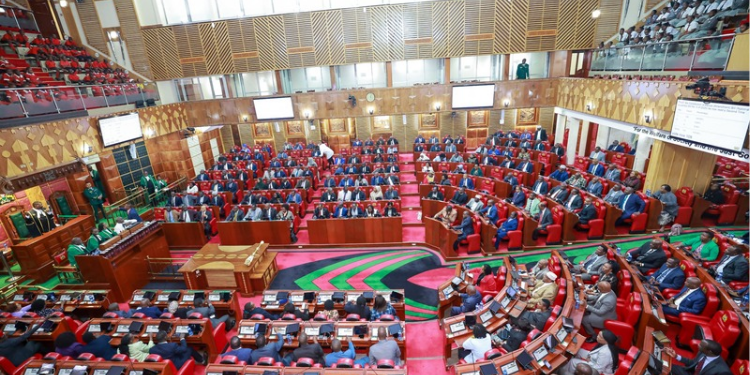
Members of Parliament in a Past Parliamentary Session in Kenya. PHOTO/ Parliament of Kenya