
Kenya Raises Alarm Over Red Sea Attacks, Warns They Could Drive Up Fuel and Air Ticket Prices
Share

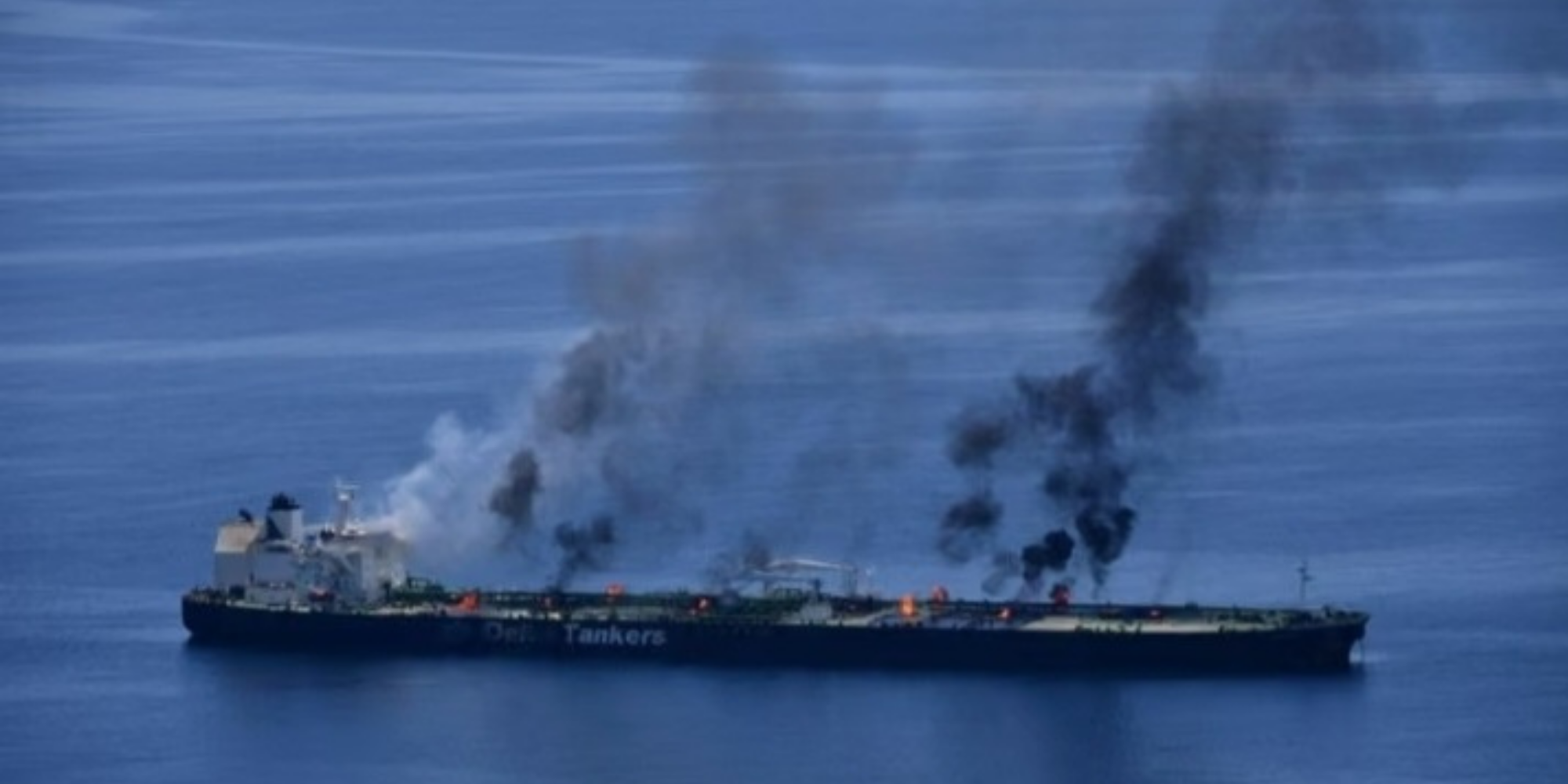
Kenya has raised concerns over escalating Red Sea attacks, warning that continued Houthi attacks on commercial vessels could disrupt global fuel supply chains, increase freight and insurance costs and fuel inflationary pressures.
In a statement released on July 24, 2026, the Office of the Prime Cabinet Secretary and Ministry of Foreign and Diaspora Affairs highlighted the risks posed by recent developments in the region.
“The Government of the Republic of Kenya notes with concern the attacks by Houthis on commercial vessels, including Saudi Arabia oil tankers, along the Red Sea, and the threats to blockade the Bab al Mandab strait,” read part of the statement.
The government said the Red Sea attacks have heightened insecurity along one of the world’s most critical shipping corridors and raised concerns over the safety of international maritime navigation.
The Bab al-Mandab Strait remains a vital link for global trade, particularly for oil shipments.
Furthermore, Kenya warned that the situation could worsen existing global supply chain disruptions, especially amid the wider Middle East crisis, including the closure of the Strait of Hormuz.
Also Read: African Union Condemns Houthi Attacks on Oil Tankers in Red Sea
Kenya Raises Concern Over Red Sea Attacks
The government noted that disruptions to oil and fertiliser supply chains could slow international trade and increase costs.
“Against the backdrop of the ongoing Middle East crisis, including the closure of the Strait of Hormuz, these new attacks and the threat to freedom of navigation in the Red Sea and Bab al-Mandab Strait could worsen the already dire situation by disrupting supply chains, particularly for oil and fertilizer, constrain international trade, and driving up maritime insurance and freight costs,” the statement said.
Further, the government explained that disruptions along major shipping routes could push up transportation, insurance and freight expenses, increasing the cost of doing business.
It added that higher costs associated with oil and fertiliser supplies could affect trade flows and raise prices of essential commodities.
The government said the effects of the Red Sea attacks could extend beyond maritime security concerns and affect Kenya’s economy through increased import costs and supply chain challenges.
Also Read: COTU Rejects Plan to Replace Aviation Workers with NYS Personnel
Country to Implement Strategic Trade Measures
To cushion the country from possible shocks, Kenya said it continues to implement strategic trade measures, including government-to-government fuel import arrangements with major international oil producers, notably Saudi Arabia.
The measures aim to protect the country from fuel shortages and sudden price increases linked to the Middle East conflict.
“Kenya condemns the attacks, urges the immediate de-escalation of hostilities, and encourages the parties to pursue peaceful resolution of the conflict in the interests of their peoples, regional stability and maintenance of international peace and security,” the statement read.
Kenya Calls for Diplomatic Solution
Finally, Kenya urged regional and international partners to pursue coordinated efforts towards a peaceful resolution of the crisis.
The government encouraged the use of diplomatic and multilateral channels to strengthen freedom of navigation and maintain maritime security.
“The continued escalation of hostilities is deeply regrettable. Kenya urges all parties to exercise maximum restraint, and calls for sustained dialogue and greater consideration for the millions already affected by the crisis in the Middle East,” the statement added.
Follow our WhatsApp channel for instant news updates.

Kenya warns of economic risks from Red Sea attacks after Houthi strikes on commercial vessels, citing trade disruptions, fuel supply concerns and inflation risks in a statement issued on July 24, 2026. PHOTO/ File