
Kenya to Produce First Locally Made Antivenom as Snakebite Deaths Rise
Share

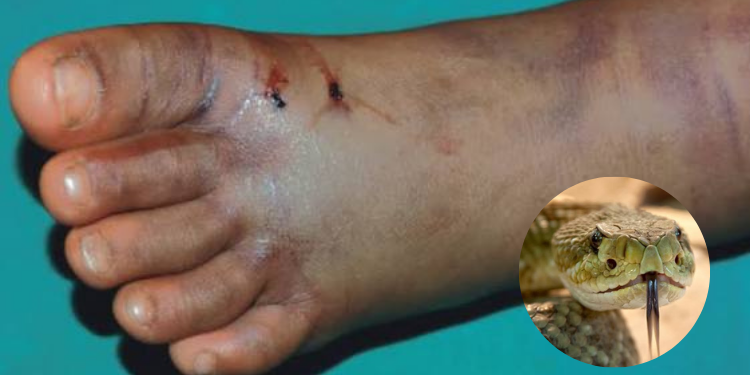
Kenya is moving to develop its first locally produced antivenom as the country grapples with a snakebite burden that affects more than 19,000 people and kills over 1,000 annually.
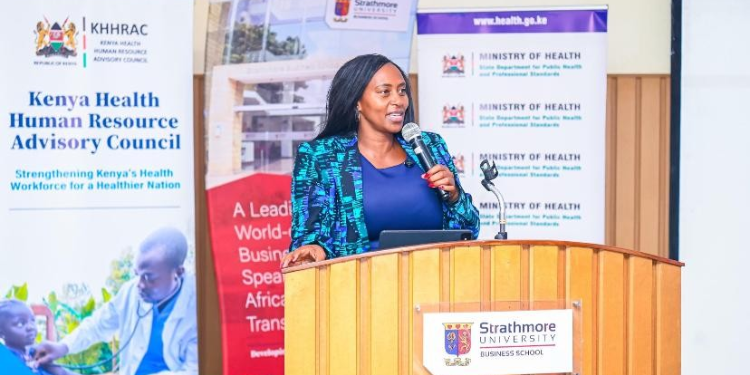
Speaking during the marking of International Snakebite Awareness Day on September 19, 2026, in Baringo County, Public Health and Professional Standards Principal Secretary Mary Muthoni said the government is implementing measures to reduce snakebite cases and deaths, particularly in counties carrying the heaviest burden.
Through the Kenya Institute of Primate Research (KIPRE), the country is developing its first domestically produced antivenom using venom profiles from snake species found in Kenya.
“Through the Kenya Institute of Primate Research, we are developing Kenya’s first domestically produced antivenom, using venom profiles from locally relevant snake species,” PS Mary said.
Govt Establishes National Antivenom Quality Control Lab for Snakebites
She said that the government is also establishing a National Antivenom Quality Control Laboratory at KIPRE to strengthen quality assurance and ensure that antivenoms meet required efficacy standards.
According to PS Mary, the initiative is part of wider efforts by the Ministry of Health to improve the country’s capacity to prevent and manage snakebite envenoming.
Also Read: Kenyans React After Health PS Mary Muthoni Shares Video of Herself Crying Online
Mary said that the health ministry records reveal that more than 19,000 Kenyans are bitten by snakes every year, with over 1,000 people losing their lives and hundreds more suffering permanent physical disabilities.
She highlighted that the burden is particularly heavy in rural and pastoral communities, with children among those most exposed to snakebites.
Globally, snakebite envenoming affects about 5.4 million people annually, with between 80,000 and 140,000 deaths reported each year.
The PS further revealed that data from KIPRE shows that Turkana and Baringo are among the counties most affected by snakebites.
Other counties carrying a significant burden include Kitui, West Pokot, Tana River, Samburu, Kilifi and Narok.
In the North Eastern region, Garissa, Wajir and Mandera are also among counties affected by snakebites.
Govt Urges Kenyans to Prevent, Act Right and Seek Care Early
Furthermore, PS Mary said the government has trained more than 5,000 Community Health Promoters across snakebite-endemic counties as part of efforts to improve prevention and early treatment.
The promoters have been trained to identify households at risk, deliver prevention messages, administer correct first aid, report cases and facilitate timely referral to health facilities.
Also Read: How Rukiya Mohamed Became Kenya’s Only Female Snake Handler
The Ministry says the investment is aimed at reducing the time between a snakebite and access to appropriate medical care.
She said snakebite envenoming has been recognised as a priority Neglected Tropical Disease and incorporated into the Kenya National Neglected Tropical Diseases Masterplan 2023–2027.
The Ministry also integrated mandatory snakebite case reporting into the Kenya Health Information System at all health facility levels.
At community level, surveillance has been activated through the Electronic Community Health Information System.
Snakebite surveillance has further been integrated into mass drug administration campaigns using existing Neglected Tropical Disease structures to strengthen community-level data collection.
Meanwhile, Kenyans, particularly those living in snakebite-prone areas, have been urged to follow three key messages: Prevent, Act Right and Seek Care Early and advised to avoid unnecessary contact with snakes, administer correct first aid while avoiding harmful practices, and seek medical care as quickly as possible after a snakebite.
Follow our WhatsApp channel for instant news updates
Principal Secretary Mary Muthoni, center, poses with health sector officials and partners during the launch of the Kenya Health Human Resource Advisory Council Strategic Plan 2025–2030 in Nairobi on May 6, 2026. The plan seeks to fix staffing gaps and help Kenya meet the WHO threshold of 45 health workers per 10,000. /PHOTO X MOH