KWS Reveals Latest Findings on Deaths of 16 Elephants in Amboseli
Share
The Kenya Wildlife Service (KWS) has reassured tourists and the public that Amboseli National Park remains open and is operating normally despite an ongoing investigation into the deaths of 16 elephants in the wider Amboseli-Kimana-Kitenden ecosystem.
In a notice dated August 7, KWS said there is currently no evidence to suggest that the deaths were caused by an infectious or transmissible disease, adding that tourism operations within the park continue uninterrupted.
“Importantly, findings to date do not indicate an infectious or transmissible disease. KWS therefore reassures the public and tourism sector players that Amboseli National Park remains open and is operating normally,” KWS stated.
KWS Increases Patrols and Wildlife Monitoring To Examine Cause of Elephant’s Death in Amboseli
The wildlife agency said it has intensified elephant surveillance, ranger patrols and veterinary monitoring throughout the Amboseli-Kimana-Kitenden ecosystem.
In addition, KWS said the enhanced operations are being carried out in collaboration with local communities and conservation partners to detect any additional cases and protect both wildlife and visitors.
Also Read: KWS Ordered to Compensate Ksh5 Million to Family After Crocodile Attack
KWS Director General Prof. Erustus Kanga said the agency remains committed to uncovering the cause of the elephant deaths.
“The Kenya Wildlife Service is committed to establishing the facts and keeping the public informed every step of the way,” he said.
The reassurance comes amid public concern following the deaths of 16 elephants reported between June 24 and July 31.
According to the agency, most of the dead elephants were adult females and calves, which reportedly showed weakness and partial paralysis before they died.
KWS noted that Veterinary and scientific teams from Nairobi, Tsavo and Amboseli have been deployed to conduct post-mortems, collect samples and examine affected animals.
Authorities Intensify Ongoing Investigation Into Elephant Deaths
Furthermore, the agency stated that it is working with the Government Chemist and the University of Nairobi to carry out toxicological, microbiological and other laboratory analyses, while additional investigations include testing water sources and examining possible environmental contaminants.
KWS also noted that preliminary laboratory analysis by the University of Nairobi indicates cyanide poisoning as the probable cause in the cases examined.
Also Read: Mystery as 15 Elephants Die in Amboseli
However, KWS said confirmatory tests are still underway to establish the exact source and pathway of exposure.
The agency also tasked the Pest Control Products Board (PCPB) with leading a multi-agency investigation into whether pesticides or other crop-protection chemicals may have contaminated the environment.
Meanwhile, KWS said it will continue updating the public as verified information becomes available and appealed to anyone with credible information related to the elephant deaths to report it through its toll-free line, WhatsApp number or official email to support the ongoing investigations.
“Members of the public with any plausible information about these incidents are encouraged to contact KWS through the toll-free line 0800 597 000, by calling or sending a WhatsApp message to +254 726 610 509, or by emailing kws@kws.go.ke,” KWS stated.
Follow our WhatsApp channel for instant news updates.

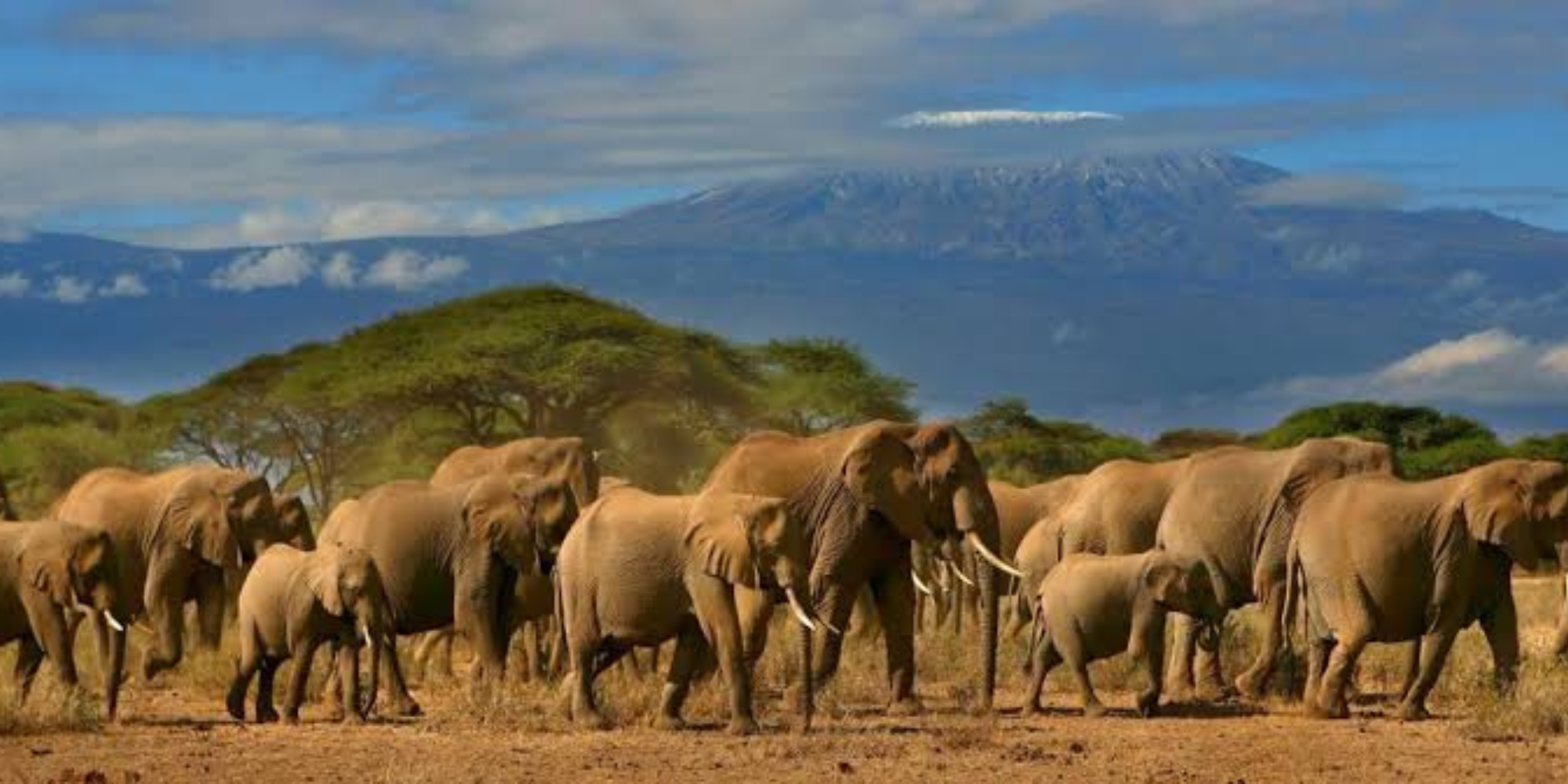
A photo showing tourists taking photos during their tour in Amboseli Park. Photo / File