
NTSA Launches Major PSV Reforms With Free Training for 4,000 Drivers and Operators
Share

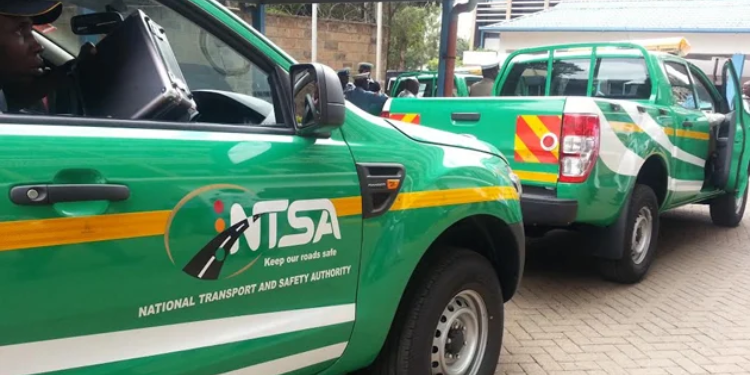
The National Transport and Safety Authority (NTSA) has launched a nationwide capacity-building programme for public service vehicle (PSV) drivers and operators, targeting more than 4,000 drivers, operator/SACCO managers and supervisors for training and certification.
On Monday, September 21, 2026, the first cohorts of drivers and operators began a free four-day training programme in Taita Taveta, Mombasa and Garissa counties.
By targeting both drivers and the organisations that employ them, NTSA aims to professionalise PSV operations, strengthen safety practices and reduce preventable crashes linked to behavioural, vehicular and operational factors.
The reforms will also raise service standards, strengthen compliance and encourage drivers and operators to work together to improve road safety across the sector
“The programme is designed to treat drivers and operators as partners in road safety, professionalise public transport operations, raise service standards, strengthen compliance and reduce road traffic crashes,” NTSA said.
NTSA Training to Cover Key Areas
For drivers, NTSA will develop safety-conscious operators through structured training in defensive driving, passenger care and compliance.
The programme will also improve day-to-day driving practices and operational standards to better protect passengers, drivers, pedestrians and other road users.
Through integrated competency assessments, the authority will identify safety gaps and guide immediate corrective action. The training areas include:
- Professional mind-set, passenger care and wellness: Professional conduct, communication and fit-to-drive judgement
- Defensive driving, vehicle safety and fuel efficiency: Hazard perception, vehicle checks and smooth driving
- Compliance, digital systems and emergency response: Legal awareness, technology and emergency sequence
- Integrated competency assessment and actions: Immediate remedies to address safety gaps and commitment to improvement
Programme to Strengthen PSV Management
Beyond driver training, NTSA will strengthen the business, financial and fleet-management capacity of operators, SACCOs and company management.
The authority also seeks to support sustainable and profitable PSV business models.
For operators and SACCO managers, the management component will cover:
- Strategic leadership, governance and financial performance: Business model, governance controls and vehicle-level economics
- Fleet operations, compliance and road safety: Safe, reliable and controlled operating systems
- Customer experience, technology and growth: Service quality, digital tools and sustainable growth
- Integrated capstone and implementation: Designing a 90-day operator improvement plan
Also Read: NTSA Refunds Ksh66,050 After Erroneous Number Plate Payment Complaint
Compliance will remain a key part of the reforms as the authority to improve adherence to traffic laws, licensing requirements, roadworthiness standards, insurance obligations, passenger-safety standards and other statutory requirements across the sector.
NTSA Plans Professional Drivers Certification Course
Looking beyond the initial training cohorts, NTSA plans to design a professional course for Public Transport Management and Professional Drivers Certification in collaboration with training institutions.
Meanwhile, the programme will build a cadre of safety champions and trainers within SACCOs and transport companies to sustain change beyond the initial training cohorts.
“NTSA, in collaboration with the Ministry of Roads and Transport, is working closely with operators and nominated drivers who will participate in the programme and serve as road safety champions,” the authority said.
Nominated drivers and operators will serve as road safety champions within their SACCOs and companies to help sustain the improvements after the training.
Additionally, the programme will generate practical, sector-informed input into the review of the PSV (Operations) Regulations, 2014, and the wider licensing framework.
Through these measures, the reforms will strengthen the partnership between NTSA and the public transport industry as the sector pursues bigger structural changes, including operator consolidation, contract-based service delivery and integrated fare systems.
Also Read: How to Register a Logbook Lien or Hire Purchase Vehicle Through NTSA in Kenya
Training to Expand Across Kenya
Following the pilot phase, NTSA will extend the cohorts progressively to additional counties through a phased approach, prioritizing high-risk corridors and high-volume routes.
Ahead of the festive season, the authority scheduled the first training at a time when passenger volumes and commercial pressure on PSV operations typically rise.
The authority will use pilot-phase monitoring data to refine the curriculum and trainer deployment before scaling up.
NTSA has completed a Training of Trainers (ToT) cohort to support the rollout.
Under the programme, NTSA will train and certify more than 4,000 drivers, operator/SACCO managers and supervisors at no cost.
Overall, NTSA seeks to change how public transport businesses operate by placing greater emphasis on safety, compliance, professional management and sustainable business practices.
“The programme aims to shift the sector from informal, passenger-chasing operations to professionally managed, safety-oriented, financially sustainable and compliant transport businesses,” the Authority said.
Follow our WhatsApp channel for instant news updates

National Transport and Safety Authority (NTSA) Director General Nashon Kondiwa speaks on NTV Kenya’s Fixing the Nation programme on March 12, 2026. PHOTO/ NTV Kenya.