
Lipa na M-PESA Pricing: Understanding Transaction Costs, Convenience and Digital Payments
Share


Safaricom’s Pata More campaign has changed the cost and use of some M-PESA services, affecting how customers make payments and how small businesses receive and manage money.
The changes are not a new M-PESA product. Instead, they add value to services customers and merchants already use, including Pochi la Biashara and Lipa na M-PESA.
For Pochi users, transactions of up to Ksh 200 are now free, doubling the previous Ksh 100 threshold. Transactions above Ksh 200 will have charges capped at Ksh 50 for 90 days, up to October 31, 2026.
What the new Pochi pricing means for small businesses
Pochi la Biashara allows small traders to receive payments while keeping their business money separate from personal funds giving users a way to distinguish money received through their businesses from funds meant for personal use.
The service can also be used to track sales and manage cash flow, making it more than a payment receiving option for traders.
Eligible Pochi users can access Taasi Pochi business credit, while Ziidi Pochi provides an option to save and invest.
Traders can also protect their income through Tuunza Mapato insurance.
Other business services available through Pochi include Ofa ya Pochi, which provides voice and data bundles from Ksh 10, and airtime sales with commissions of up to five per cent.
The pricing change therefore affects one part of a wider set of tools available to businesses using Pochi.
How Lipa na M-PESA is changing digital payments
For merchants accepting payments through Lipa na M-PESA Buy Goods, the Buy Goods Kadogo threshold has increased from Ksh 200 to Ksh 500.
The change applies to small-value transactions and forms part of the campaign’s focus on the cost of digital payments.
Merchants using an M-PESA Business Till will also get a 50 per cent reduction in transaction costs when moving money from the till to a Paybill, another till or a customer.
A Business Till allows a business owner to collect payments and use the money held on the till to make other transactions directly from it.
Customers, meanwhile, can use additional ways to make payments at participating outlets. Scan to Pay allows customers to pay using a QR code, while Tap to Pay lets them pay by tapping their phones at participating merchant outlets.Also Read: Safaricom Introduces New Phone Numbers
These options focus on what happens at checkout, giving customers different ways to complete a digital payment while allowing merchants to receive payments through Lipa na M-PESA.
Other M-PESA services include Paybill for businesses collecting customer payments, Bulk Payment for organisations making disbursements, and Short-Term Paybill for raising funds for needs such as medical expenses, education, weddings, funerals and charitable causes.
For more information about M-PESA services and business solutions, customers can visit https://www.safaricom.co.ke.
Follow our WhatsApp channel for more updates
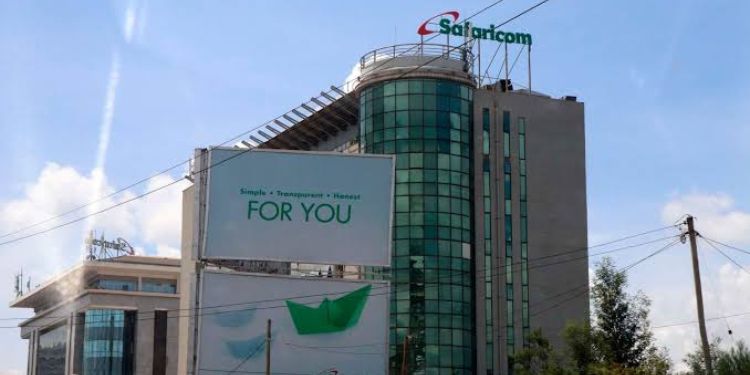
Safaricom Office Headquarters in Nairobi. PHOTO/Safaricom PLC