

Iranians Celebrate Internet Return After Months Offline
Share

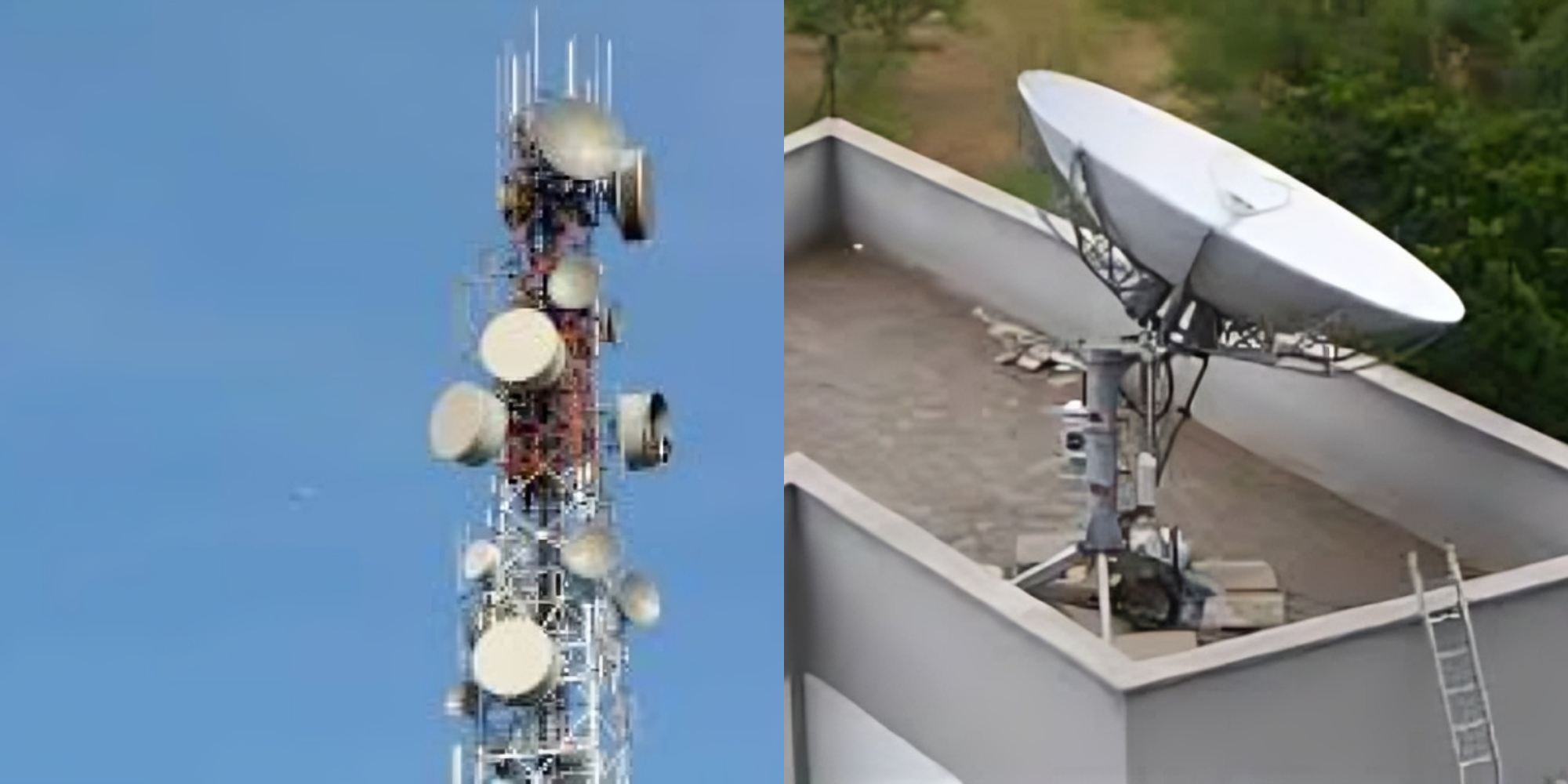
For millions of Iranians, the restoration of internet connectivity after nearly three months of restrictions triggered emotional reactions, renewed communication with loved ones, and cautious optimism about business recovery.
One Iranian named Rastin, described the moment connectivity returned as deeply emotional after enduring 88 days without reliable internet services during a nationwide shutdown imposed amid regional conflict.
The blackout, described by monitoring organisations as one of the longest in recent history, disrupted communication, businesses, and access to digital platforms across the country.
“After 88 days, it felt exactly like a prisoner being released after three months of imprisonment and seeing the sky for the first time,” Rastin said.
“You wouldn’t believe it, but when I clicked on a website and watched it open, I felt as though I could fly with joy,” he added.
Emotional Reactions After Internet Restoration
The Iranian citizen said reconnecting to messaging platforms brought overwhelming relief after months of isolation from family and friends both inside and outside the country.
“And when I realised I could once again send messages through Telegram, WhatsApp, and other platforms, the feeling was indescribable,” he said.
“Even now, as I speak, I’m on the verge of tears from happiness,” he added.
He added that the first notification appearing on his phone involved updates for numerous applications that had remained inaccessible during the shutdown period.
Iran’s government imposed the internet restrictions after the United States and Israel launched military operations against the country on 28 February.
Authorities argued the move was necessary to counter surveillance activities, cyber-attacks, and espionage threats during the conflict.
First Vice-President Mohammad Reza Aref announced that the government had begun easing restrictions under directives issued by President Masoud Pezeshkian.
“Authorities had taken a first step toward achieving free and regulated internet access while restoring digital services and supporting technological development,” Mohammad Reza Aref said.
Also Read:Trump Administration Speaks on Reopening Strait of Hormuz After Fresh Attacks on Iran
Businesses Count Losses After Months Offline
Despite the return of partial connectivity, concerns remain over tighter censorship measures and continued restrictions on several digital platforms.
Rastin acknowledged that while some online services remained inaccessible, many people were relieved simply to regain internet access after weeks of uncertainty.
“The mere fact that the internet is back is cause for celebration,” Rastin said.
“The three months during which the internet was down were incredibly difficult,” he lamented.
“It was painful not being able to contact our families and friends outside Iran. We knew, especially during the war, how worried they were, but we couldn’t even reassure them that we were safe,” Rastin added.
Students and entrepreneurs who rely on online platforms for income said the blackout severely affected businesses and disrupted normal economic activity.
Computer science student Pantea said the restoration of internet services would help businesses recover from heavy financial losses experienced during the outage.
“I’m very happy the internet is going to be restored because businesses can get back to normal,” Pantea said.
“I had an online shop for a while and sold products. Definitely it will benefit us.”
“But the only problem is the censorship. If they come up a good solution and correct solution to this, many problems would be solved,” Pantea added.
Rastin, also a computer science student, said digital businesses remained highly vulnerable whenever authorities introduced online restrictions.
“The online market is thirsty to go back to its previous state,” he said.
“But this social prosecution that keeps happening significantly harms online businesses.”
“The businesses highly depend on the internet and every time, these restrictions make life more difficult for them,” Rastin added.
Also Read:Iran Team to Base in Mexico for 2026 World Cup After US Declines to Host Them
Concerns Grow Over Increased Online Restrictions
Internet monitoring organisation Netblocks reported that although connectivity had returned, authorities appeared to have expanded filtering measures beyond those previously seen during earlier crackdowns.
“Service remains heavily filtered, with new restrictions on messaging and app stores compared to pre-January,” the group said.
“Calls for a free and open internet transcend political divisions and should be heard,” Netblocks added.
During the shutdown, some Iranians reportedly turned to expensive virtual private networks and smuggled satellite internet systems into the country in attempts to bypass restrictions.
The blackout also deeply affected Iranians living abroad who struggled to contact relatives during the conflict period.
Iranian-born British comedian and author Shaparak Khorsandi described the emotional toll of being unable to reach family members inside Iran.
“It feels such a familiar thing for Iranians to just be disconnected and worried and frantic and feeling helpless,” she said.
“So, it’s a tricky time, but we keep trying,” Khorsandi added.
Follow our WhatsApp channel for instant news updates
Iranian flag on a post. PHOTO/ Google