

Life-Saving Heating System Boosts Newborn Care at Pumwani Maternity Hospital

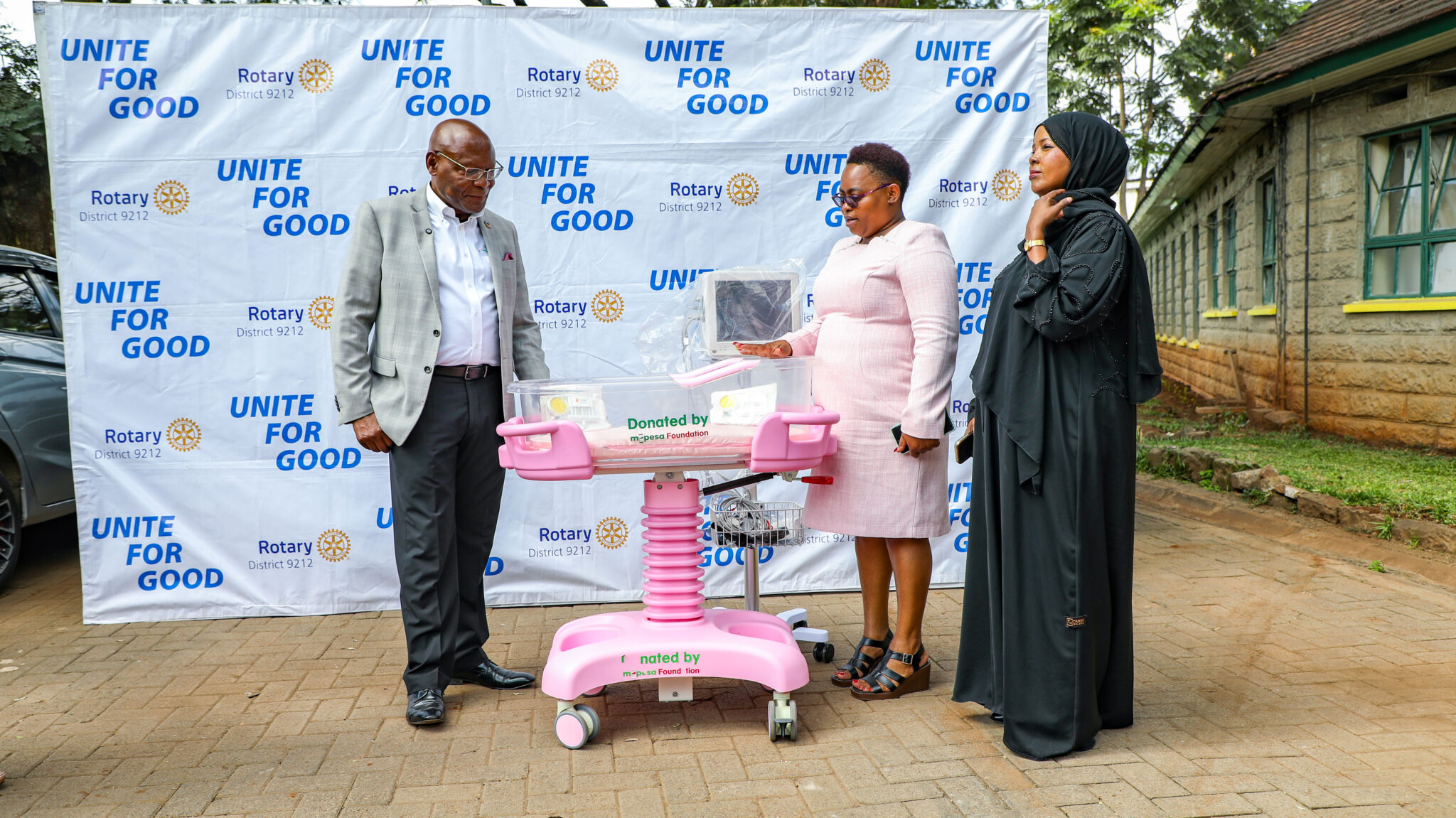
One of Kenya’s largest maternity hospitals has upgraded its newborn unit with modern equipment and a central heating system aimed at reducing infant deaths caused by hypothermia, a major but often overlooked threat to newborn survival.
The upgraded neonatal unit at Pumwani Maternity Hospital was unveiled as part of efforts to improve maternal and newborn healthcare services at the facility, which delivers between 80 and 90 babies daily.
Hospital officials said the modernization is already helping address hypothermia, a condition in which newborns are unable to regulate their body temperature, putting them at increased risk of illness and death.
According to Dr. Chris Mugambi, the hospital’s medical superintendent and a consultant obstetrician and gynecologist, Pumwani has struggled with hypothermia for many years an ‘invisible enemy for newborns’
According to Mugambi, the installation of a central heating system in the newborn unit has led to more than a 75% improvement in thermal regulation outcomes.
“The central heating component has enabled us to achieve above 75 per cent improvement in thermal regulation outcomes, saving infant lives on the backdrop of stretched demand,” he said.
Installation of the Central Heating System at Pumwani Hospital
The project comes as Pumwani Maternity Hospital marks its 100th anniversary. The facility serves as a key referral center for complicated maternal and neonatal cases and accounts for a significant share of births in Nairobi.
The M-Pesa Foundation invested Ksh13 million ($100,000) in the installation of the central heating system through the Uzazi Salama program, an initiative focused on reducing maternal and infant mortality across Kenya.
Safaricom Foundation Chairman Joseph Ogutu said the intervention aligns with the World Health Organization’s Every Woman, Every Newborn, Everywhere action plan and supports efforts to end preventable maternal and newborn deaths.
“We are absolutely delighted at the impact of this partnership with the Nairobi County Government and Pumwani Maternity Hospital, enabling us to improve the health and well-being of women and children in our country by ending preventable deaths as we journey towards the realisation of the Sustainable Development Goals.”
Nairobi County Chief Officer for Medical Services Maryam Dahir said the investment would have a far-reaching impact given the hospital’s role in the country’s healthcare system.
“This means we are responsible for approximately one in every ten maternal cases in Kenya,” Dahir said.
Hypothermia as a Leading Contributor to Neonatal Complications
She added that the partnership supports the county government’s broader goal of strengthening health systems and improving outcomes for mothers and newborns.
“As a county, we receive this with great gratitude and we look forward to continued partnership, and where possible, cascading similar support to other facilities within the city,” she added.
Health experts have long identified hypothermia as a leading contributor to neonatal complications, particularly among premature and low-birth-weight infants.
The upgraded newborn unit is expected to enhance the hospital’s capacity to care for vulnerable newborns while easing pressure on healthcare workers managing a high patient load.
The project supports the United Nations Sustainable Development Goal 3, which seeks to ensure healthy lives and promote well-being for all ages, including reducing preventable maternal and newborn deaths.
Pumwani Maternity Hospital remains the country’s largest specialized maternity facility and one of the busiest maternal health centers in East Africa.
Follow our WhatsApp channel for instant news updates

Representatives from M-Pesa Foundation, Nairobi City County Government, Rotary District 9212 and Pumwani Maternity Hospital pose for a group photo after the handover of equipment to the hospital’s newborn unit.