

Duka Owners Risk Ksh 3 Million Fine Under Tobacco Amendment Bill
Share

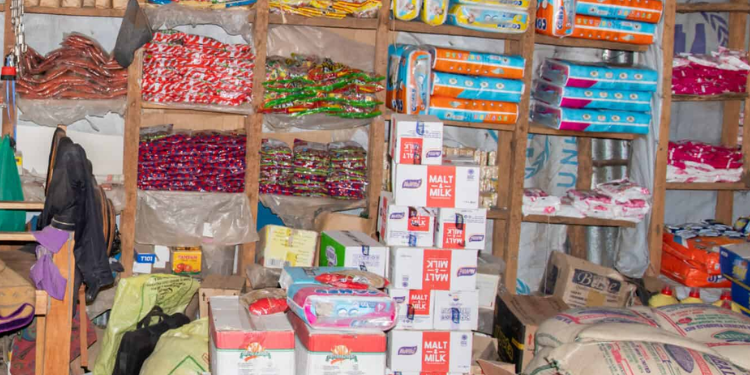
Small shop owners within the country could face fines of up to Ksh 3 million or a jail term of up to three years if they sell tobacco products without government registration under the proposed Tobacco Control (Amendment) Bill, 2024.
The Bill, which was passed by the Senate on March 3, 2026, is now awaiting consideration by the National Assembly.
The proposed law introduces new rules covering cigarettes, nicotine pouches, e-cigarettes and other nicotine products.
Registration Requirement for All Tobacco Sellers
One of the most significant changes in the Bill is the introduction of mandatory registration for anyone involved in the manufacture, importation, sale, or distribution of tobacco products.
Under the proposed Section 21A, no person will be allowed to engage in these activities unless they are registered by the Ministry of Health.
Any trader found selling tobacco products without registration could face a fine of up to Ksh 3 million, imprisonment for up to three years, or both.
For thousands of small-scale retailers who stock cigarettes and nicotine products alongside everyday household goods, the requirement could introduce additional compliance costs and regulatory obligations.
Also Read: OPINION: Kenya’s Finance Bill 2026 and the Ground-Level Reality for SMEs
Tougher Penalties for Retailers
The Bill also proposes several other penalties that could affect retailers and distributors.
Businesses dealing in tobacco products that have not been approved by the Cabinet Secretary for Health could face a fine of up to Ksh 1 million or 5 % of their gross turnover, whichever is higher.
The legislation further proposes a ban on tobacco products, packaging and disposable electronic delivery systems that use single-use plastics.
Anyone found violating the provision could face a fine of up to Ksh 10 million or a prison sentence of up to five years.
Retailers would also be required to ensure that all tobacco products sold in their shops comply with standards set under the law.
Restrictions on Sales Locations
The proposed law seeks to tighten controls on where tobacco products can be sold.
Under the Bill, tobacco products cannot be sold through hawking, mobile vending or from vehicles. Violators could face fines of up to Ksh 50,000 or imprisonment for up to six months.
The legislation also prohibits the sale of tobacco products within a 100-metre radius of schools and other places primarily serving persons under the age of 18.
In addition, all tobacco traders would be required to operate from fixed licensed premises approved by county governments.
Online Sales Could Be Banned
If passed, the Bill will prohibit the sale of tobacco products, nicotine pouches and electronic nicotine delivery systems through online platforms and e-commerce channels. Anyone found violating the provision could face a fine of up to Ksh 500,000, a prison term of up to three years, or both.
The move could affect retailers who currently rely on digital platforms and social media channels to market and sell nicotine products to adult consumers.
Retailers Push Back Against Some Proposals
Some business lobby groups have warned that several provisions could place an additional burden on traders and legitimate businesses.
Also Read: Finance Bill 2026 : Full Breakdown of New Tax Proposals and Exemptions
The Retail Trade Association of Kenya (RETRAK) has asked Parliament to review several sections of the Bill, arguing that some provisions could hurt legitimate businesses while doing little to address the growing illicit tobacco trade.
The association has specifically opposed the proposed ban on single-use plastics in tobacco products and packaging, arguing that Kenya already has environmental laws and regulations administered by NEMA to address plastic waste.
RETRAK Chief Executive Officer Wambui Mbarire told lawmakers that the proposed tobacco-specific plastics ban could create uncertainty for manufacturers and retailers and expose the legislation to legal challenges.
The association has also opposed provisions seeking to ban flavours in nicotine and tobacco products, arguing that adult consumers use some of these products as alternatives to traditional cigarettes.
RETRAK says Parliament should focus more on tackling illicit trade and strengthening enforcement against traders who sell tobacco products to minors rather than introducing measures that may affect legal businesses.
According to the association, illicit and untaxed tobacco products account for more than half of the products sold in the market, undermining public health goals and government tax collection efforts.
Public Health Groups Support Stronger Controls
On the other hand, health advocates have backed stronger tobacco control measures and higher taxation.
The Kenya Tobacco and Nicotine Tax Coalition (KTNTC) argues that tobacco use causes an estimated 12,000 deaths annually in Kenya and contributes to diseases such as cancer, heart disease, and respiratory illnesses.
The coalition says tobacco use costs the Kenyan economy between $544 million and $756 million annually through healthcare expenses and lost productivity.
It is also pushing for annual excise tax increases of at least 20% on cigarettes, e-cigarettes and nicotine pouches over the next five years.
Follow our WhatsApp channel for instant news updates
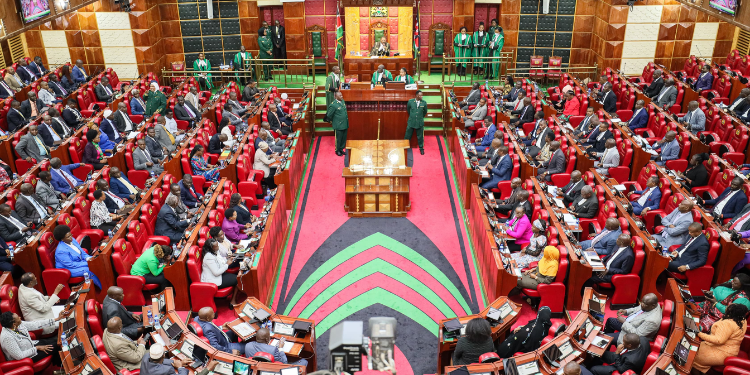
Past session of the National Assembly chaired by Speaker Moses Wetang’ula. PHOTO/Parliament