Treasury Reveals Why It Scrapped Costly Nairobi-Nakuru Highway Agreement
Share
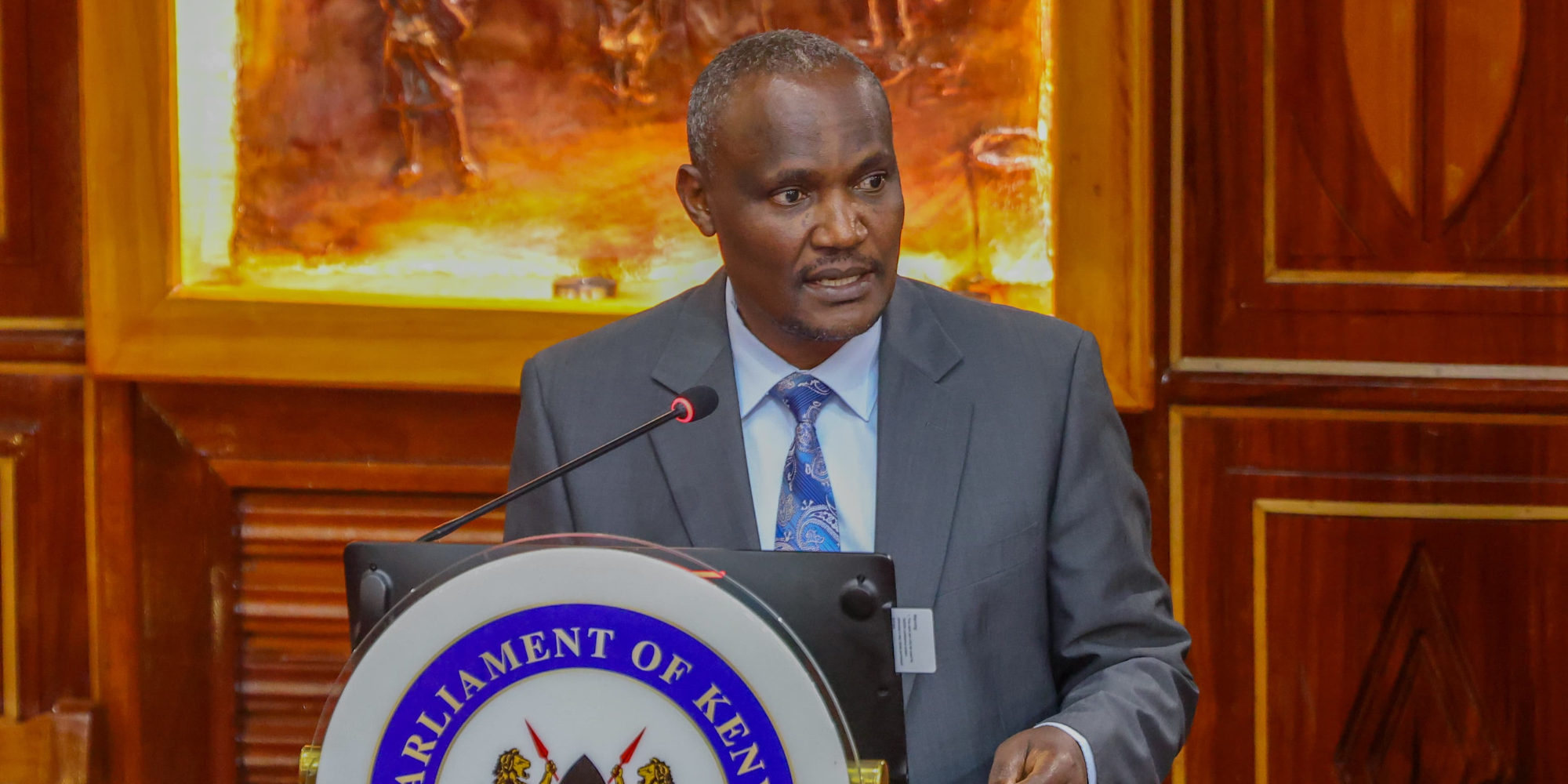
The government has explained why it restructured the Nairobi-Nakuru-Mau Summit Highway Public Private Partnership (PPP) project, saying the changes will protect public finances and reduce the financial burden on taxpayers.
In a statement issued on Thursday, July 9, Treasury Cabinet Secretary John Mbadi said the revised project removes the government’s annual availability payment of about Ksh 23 billion and shifts demand and revenue risks to the private sector.
Mbadi said the government reassessed the original highway agreement after major economic changes experienced between 2020 and 2022.
He said global inflation, the depreciation of the Kenya shilling, limited fiscal space, and rising public debt servicing costs made the original agreement too expensive to sustain.
“The Government’s stewardship of public finances requires every long-term infrastructure commitment to uphold fiscal sustainability, prudent management of public resources, and sustainable economic development throughout the life of the investment,” Mbadi said.
According to the Treasury, the review found that the original agreement no longer aligned with the government’s fiscal objectives.
Mbadi Said Original Deal Would Have Cost Taxpayers Billions
The Treasury said the previous agreement required the government to pay approximately Ksh 23 billion every year in availability payments, with the amount increasing based on inflation and foreign exchange movements.
The government also retained all demand and revenue risks under the earlier arrangement.
In addition, the Treasury projected a funding deficit of up to Ksh 200 billion during the first 15 years of the concession period if the original agreement had remained in place.
Also Read:Ruto Reveals Why He Plans to Include CS Mbadi in His Book
New Agreement Shifts Risk to Private Investors
Following the review, the government terminated the original project agreement after restructuring talks failed to produce a commercially viable solution.
The Kenya National Highways Authority (KeNHA) later received an unsolicited proposal under a revised commercial framework, which went through the legal approval process before new agreements were signed in May and June 2026.
Under the new arrangement, the project will operate as a user-pay toll PPP, meaning motorists using the road will pay toll charges instead of the government making annual availability payments.
The Treasury said the revised deal transfers demand and revenue risks to the private sector, eliminating the government’s annual payment obligation.
Also Read:Mbadi Appoints Six Members to National Infrastructure Fund Board
Project Cost and Fiscal Exposure Reduced
The Treasury said the revised project also lowers the comparable investment cost from USD 1.93 billion (about Ksh 249.7 billion) under the previous concession to USD 1.342 billion (about Ksh 173.5 billion).
It added that the restructuring delivers a fiscal benefit of about USD588 million (approximately Ksh 76.2 billion) while addressing the projected funding deficit.
The government will also receive 60% of revenues earned above the agreed 16% Equity Internal Rate of Return (IRR) threshold.
Treasury Says Changes Support Sustainable Infrastructure Financing
Mbadi said the revised framework strengthens Kenya’s infrastructure financing policy by attracting private investment while protecting public finances.
“The current Project Agreements strengthen the Government’s infrastructure financing policy through a commercial framework that transfers demand and revenue risk to the private sector, mobilizes private financing, reduces long-term fiscal exposure, and preserves fiscal space for continued investment in national development priorities,” he said.
He also added that the lessons learned from the terminated concession will continue to guide future infrastructure investments to ensure they remain fiscally sustainable while supporting Kenya’s long-term development agenda.
Follow our WhatsApp channel for instant news updates.

Treasury Press Statement on the Nairobi-Nakuru-Mau Summit Highway Public Private Partnership (PPP) project
PHOTO/National Treasury