How to Track Shipping Line Bills of Lading (BL) for Cargo Through Mombasa Port
Share
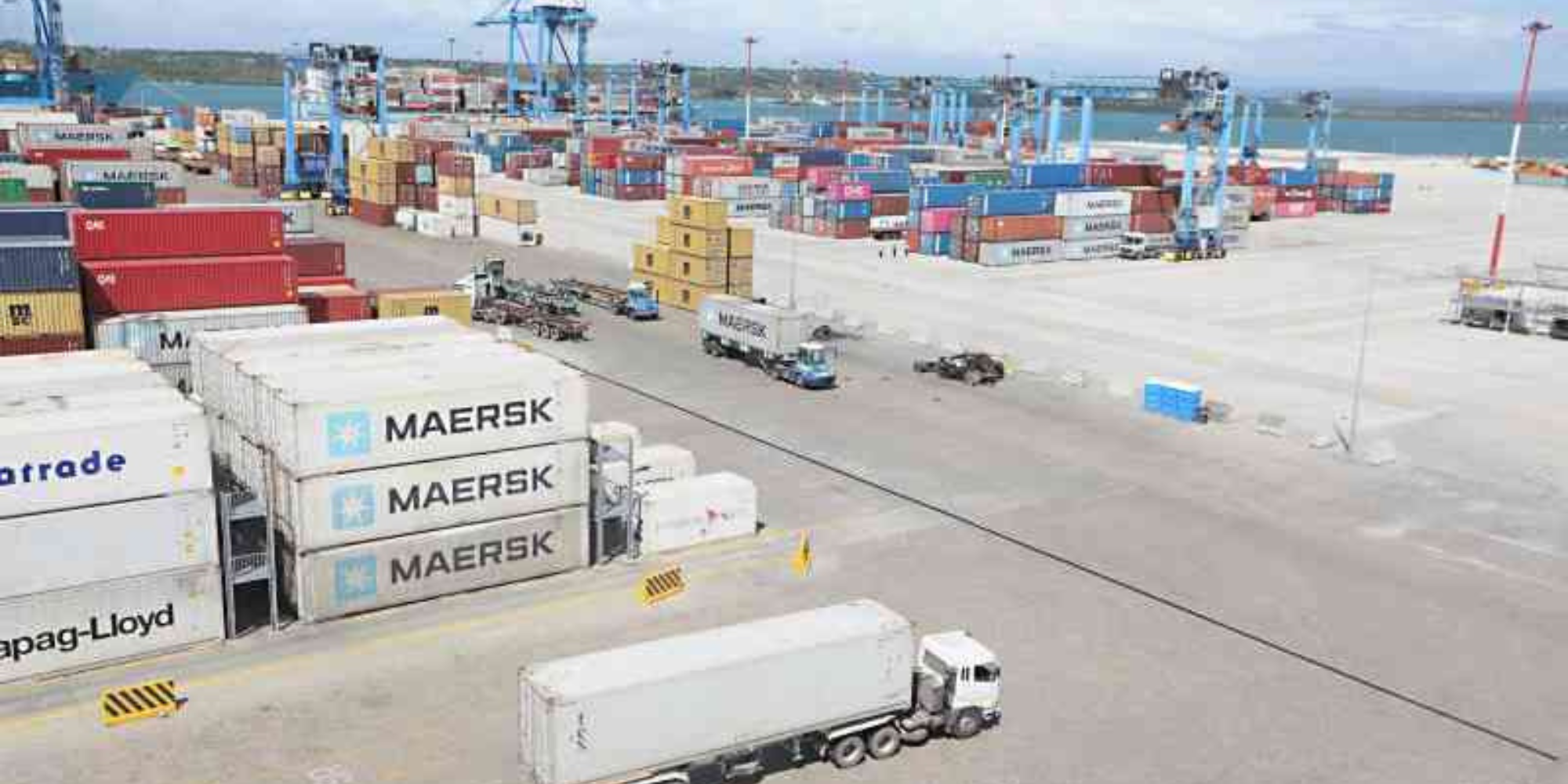
Tracking a Bill of Lading (BL) is one of the most crucial procedures for monitoring consignments through the Port of Mombasa, the busiest seaport in East Africa.
Importers, exporters, clearing and forwarding agencies, and shipping agents use the document to track consignments from the time they are loaded until delivery. They can also use it to monitor ship movements and follow the customs clearance process.
A Bill of Lading is a legal shipping document that a shipping company issues to confirm receipt of goods for transportation.
It also serves as proof of the contract of carriage and, in some cases, as a document of title.
The unique BL number enables cargo owners to track their consignments throughout the shipping process.
To track a Bill of Lading for a consignment through the Port of Mombasa, users can access their shipping line’s online portal or the government-integrated KPA eCitizen system.
Alternatively, users can rely on independent cargo-tracking websites that provide consignment details from various shipping lines.
Monitoring via Shipping Line’s Tracking System
A straightforward approach towards tracking the cargo would be to track it via the official website of the shipping line.
Owners of the cargo need to log into the website of the relevant shipping line, such as Maersk, MSC or CMA CGM, and click on “Track by Bill of Lading.”
After submitting the BL number, they can get real-time data about the vessel’s whereabouts, ETA, port milestones, and even transshipment information.
Such websites are always up-to-date and can help in getting accurate information from the shipping line which is responsible for moving the cargo.
Also Read: How to Apply for Duty Exemption on Imported Goods at Mombasa Port
Usage of KPA eCitizen Portal
Kenya Ports Authority has managed to digitize some of the services provided at the port through its portal integrated with eCitizen.
Clearing agents and cargo owners have the ability to track their consignment, see how far their customs clearance is, check the status of their cargo, and make payment of any port fees online.
This portal has been developed within the framework of Kenya’s attempts to facilitate trade by reducing paperwork and adding more transparency during the cargo handling process.
This integrated system operates in conjunction with other government departments handling cargo clearance processes.
Multi-Carrier Cargo Tracking Systems
Alternatively, there are tracking systems available on independent cargo tracking sites like TrackCargo and Track-Trace.
The systems automatically determine the proper shipping line based on the user’s input of the first four letters and other numbers following the Bill of Lading number.
After detection, shipment details can be obtained from the specific carrier even without knowing which shipping company issued the BL.
It should be noted that despite being easy to use, it is recommended for users to verify vital shipment details through the actual shipping lines or KPA tracking systems.
Also Read: How to Pay Mombasa Port Charges and Clear Cargo in Kenya
Importance of Bill of Lading Tracking
Tracking a Bill of Lading helps exporters and importers plan transport logistics, warehousing, and customs documentation more effectively.
Real-time shipment tracking reduces uncertainty, minimises delays, and allows businesses to arrange for cargo pickup immediately after clearing their shipments through customs.
The Port of Mombasa ranks among the largest ports in the world by cargo traffic, handling millions of tonnes of cargo each year for Kenya and landlocked countries such as Uganda, Rwanda, Burundi, South Sudan, and the Democratic Republic of the Congo.
Follow our WhatsApp channel for instant news updates
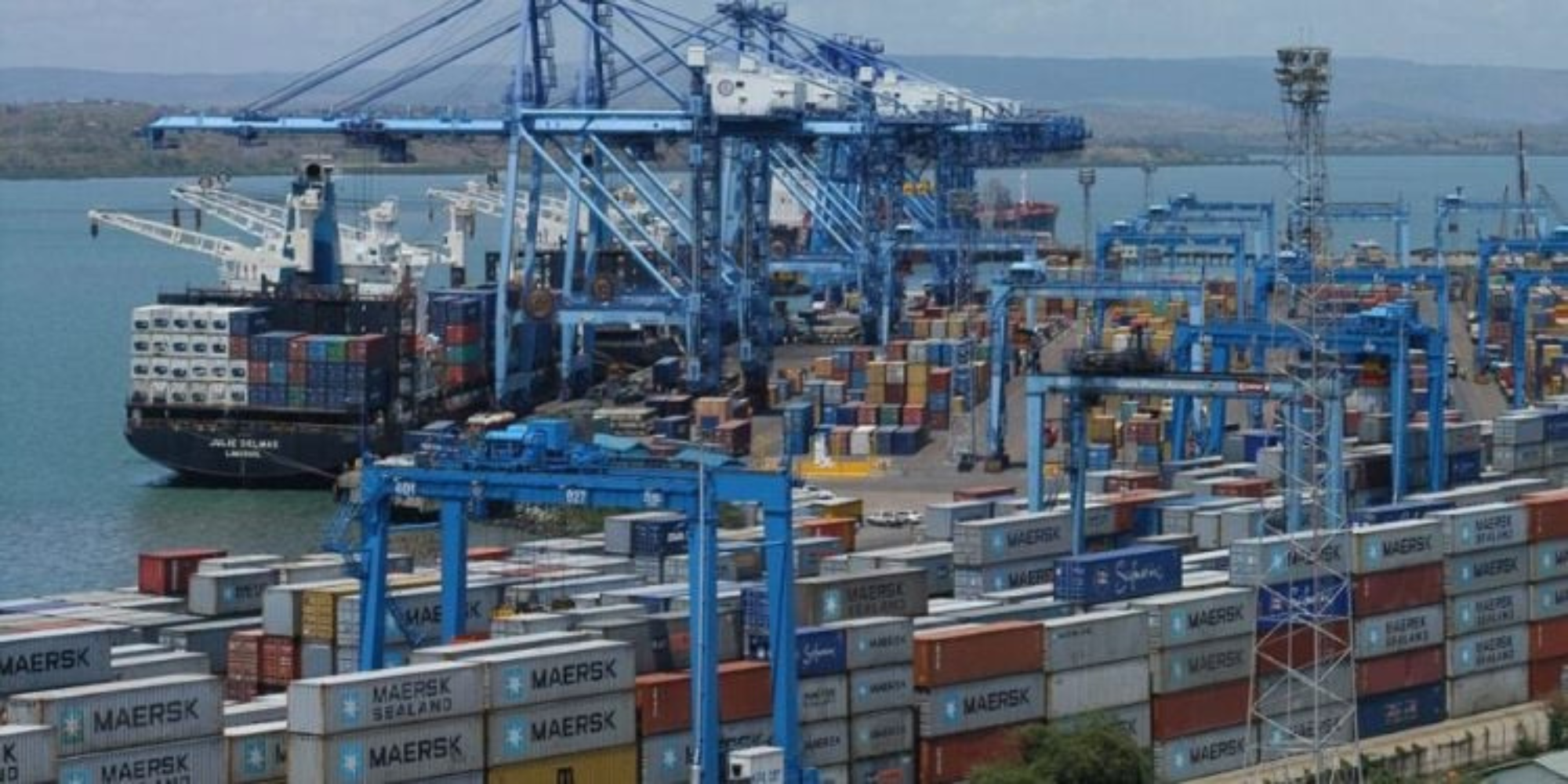
A photo showing an aerial view of Mombasa Port. PHOTO/ File