
How to Apply for Duty Exemption on Imported Goods at Mombasa Port
Share

A duty exemption procedure must be adhered to by the importers who are applying for the duty-free entry of goods into Kenya through the Mombasa port.
In this case, the application is submitted through the Kenya Digital One-Stop Centre and involves uploading of documents as a way of facilitating the verification process by customs.
This application process is meant to facilitate importers who qualify under this exemption provision; this includes residents who are returning home, non-governmental organizations, diplomats, investors who qualify under this provision, and disabled individuals.
It should be noted that there are other requirements to be satisfied, and it is only then that one can benefit from the exemption provision.
In addition, the importer must satisfy the customs verification process of Mombasa Port before the release of the cargo.
Duty Exemption Application Using the Kenya Digital One-Stop Centre
An important aspect of obtaining the duty exemption is making a request for duty exemption using the Kenya Digital One-Stop Centre.
The applicant must include all relevant documents, which include a proforma invoice, identification documents, and in some cases, the master list of all imported products.
After submission of the application, the customs officers will assess the application to establish whether the applicant meets the requirements for the duty exemption according to the laws of Kenya.
Also Read: How to Track Cargo at Mombasa Port Online in Real Time
Resident Returning
Residents who are moving back into Kenya are entitled to duty exemptions on their personal and household effects, as well as on one motor vehicle, subject to fulfilling certain requirements.
In case of motor vehicles, the individual seeking the privilege should show evidence that the vehicle was his personal possession and usage for 12 months before going back into Kenya.
Moreover, the age of the vehicle must not be more than eight years from the date of manufacture.
A valid passport showing overseas residency, a Bill of Lading, and a KEBS certificate of conformity are required to be produced.
Besides, the imported goods should reach Kenya within 90 days of the individual’s return to the country.
Commercial Projects and Organizations
Entities such as Non-Governmental Organizations (NGOs), Diplomatic Missions and eligible Corporate Investors must have a Customs Exemption Letter for the importation of tax-exempt items.
Applicants will be required to submit a PIN certificate, an itemized master list of imported items or equipment, pro-forma invoices, and a Tax Compliance Certificate (TCC).
Additional clearance may also be required depending on the category of the items being imported by relevant sectoral agencies.
Pharmaceutical items may be required to clear with the Pharmacy Regulatory Authority while agricultural items may be required to clear with Agricultural authorities.
Disabled Persons
Disabled persons are eligible for duty-free entry of specialized motor vehicles aimed at addressing their mobility challenges.
Disabled persons are required to provide a valid NCPWD identity card and their National Identity Card together with bank statements within the last six months.
Also Read: How to Book a Container Inspection at Mombasa Port: A Step-by-Step Guide
The imported vehicle has to be put through a road test at Mombasa Port under the watch of a customs officer to ascertain whether it meets the stipulated requirements.
Port Clearance Process
Having obtained all the required exemptions, it would be prudent for importers to engage a registered clearing agent since the clearance process of sea cargo entails several customs formalities.
The clearance agent makes an electronic declaration seeking duty exemption through the Kenya Revenue Authority website.
The electronic declaration marks the start of the customs clearance process.
The customs officers at Mombasa Port thereafter cross-check all the documents provided and may undertake a physical examination of the imported cargo to determine if they fit the declarations and qualify for exemption.
Once the customs authorities are satisfied that everything is in place, the Kenya Revenue Authority gives an exemption release order.
The exemption release order will facilitate the release of the cargo by the Kenya Ports Authority.
Follow our WhatsApp channel for instant news updates

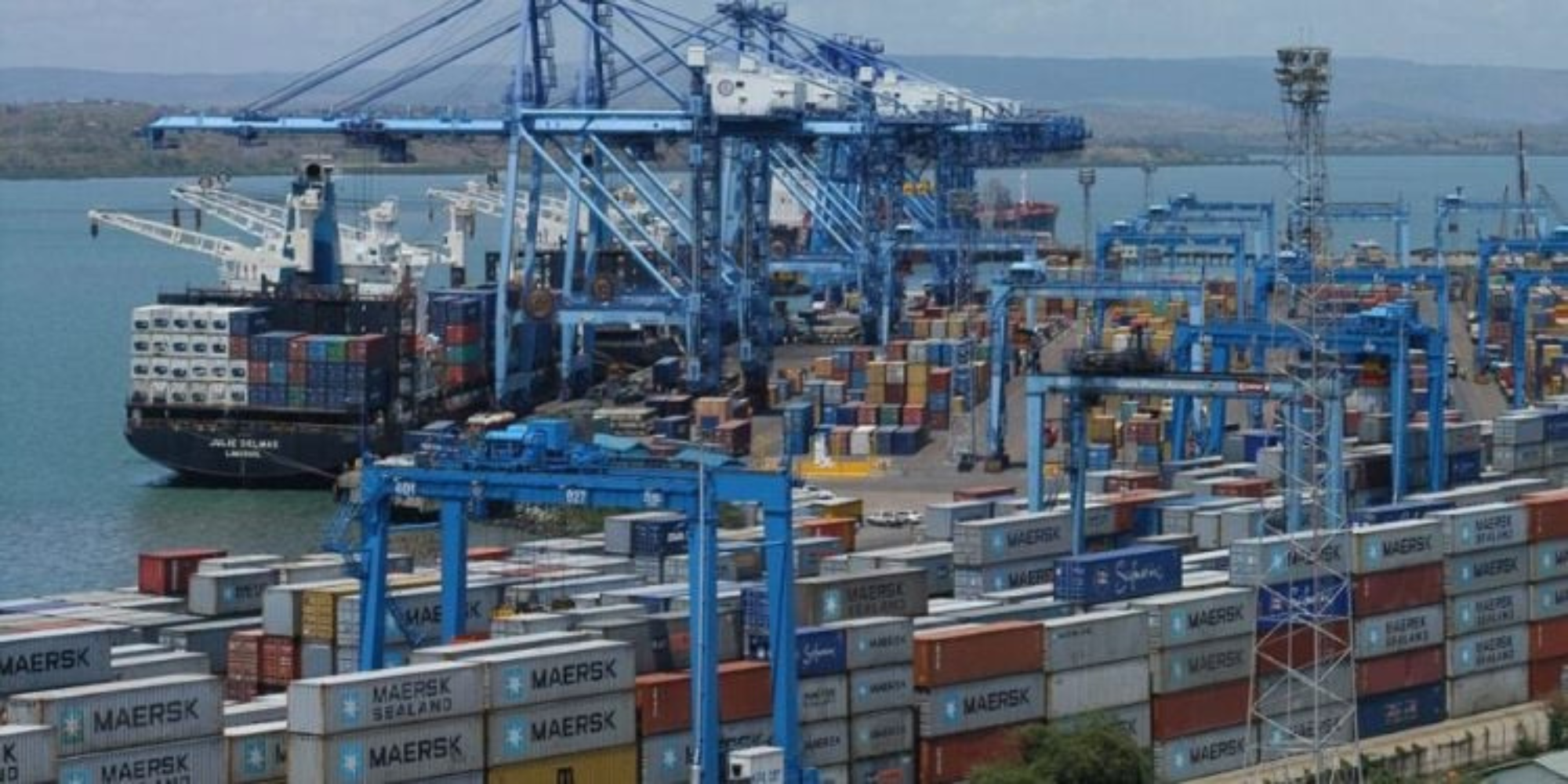
An aerial view of the port of Mombasa and its storage bay. PHOTO/ KPA