
Govt to Import 25 Million Bags of Maize as CS Kagwe Unveils New Programme
Share

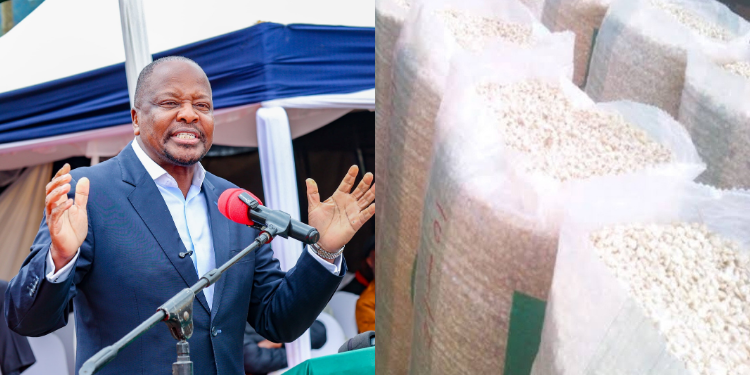
The Government will import 25 million 90 kg bags of maize to bridge an expected food deficit and prevent a shortage caused by drought and other climate-related challenges affecting production in major maize-growing regions.
Agriculture and Livestock Development Cabinet Secretary Mutahi Kagwe said the Government has already made arrangements for the imports, assuring Kenyans that sufficient measures are in place to guarantee food security despite the current challenges.
“We will import maize. We have already made arrangements for that. We will manage the country. The country is not going to go hungry,” said Kagwe.
Kenya consumes approximately 75 million bags of maize annually. However, reduced harvests in several food-producing regions could create a shortfall of nearly 25 million bags.
As a result, the Government plans to use imports to stabilize supplies and protect consumers from possible price increases.
Maize Import to Provide Immediate Food Security Support
Meanwhile, the maize import will provide an immediate response to the expected shortage as the Government works on long-term measures to increase local food production and reduce the country’s vulnerability to climate change.
For instance, the Government plans to expand irrigation projects such as the Galana Kulalu scheme. The project is expected to boost agricultural production, strengthen resilience against drought, and reduce dependence on rain-fed farming.
In addition, the Government will work with the National Treasury to streamline taxes and address challenges affecting farmers and agribusinesses. These measures aim to make the agricultural sector more competitive and profitable.
Also Read: Govt Announces New Wheat Price Ahead of Harvest
At the same time, youth employment emerged as a key priority during the Fifth Joint Consultative Meeting of County Executive Committee Members (CECMs), where the Ministry launched consultations for the upcoming AgriConnect Compact Programme.
Kagwe said the programme could create thousands of jobs by transforming agriculture from a subsistence activity into a modern, technology-driven and profitable sector.
The meeting brought together leaders from the national government, county governments and the World Bank Group.
They reviewed progress under the Food Systems Resilience Program (FSRP) and the National Agricultural Value Chain Development Project (NAVCDP), which will transition into the AgriConnect Compact Programme.
AgriConnect Programme to Drive Jobs and Agricultural Growth
According to Kagwe, the programme will focus on three key areas: increasing agricultural productivity, promoting value addition and creating sustainable employment through agribusiness.
Also Read: KTDA Breaks Silence on Viral Documents Alleging Financial Misconduct
Furthermore, he emphasized that agriculture should no longer serve as a last resort for survival. Instead, he said the sector should drive wealth creation, investment and job generation, particularly for young people.
The programme will also promote digital agriculture, artificial intelligence and modern farming technologies. These efforts will help improve productivity and make agriculture more attractive to the next generation.
Stakeholders to Shape AgriConnect Roadmap
Additionally, the consultative meeting gave stakeholders an opportunity to share their views and help develop a roadmap for implementing the programme and shaping future agricultural policies.
Kagwe attended the meeting with Bungoma Governor Kenneth Lusaka, Baringo Governor Benjamin Cheboi, Taita Taveta Governor Andrew Mwadime, West Pokot Governor Simon Kachapin, Marsabit Governor Mohamud Ali, Garissa Governor Nathif Jama Adam and Migori Governor Ochilo Ayacko, as well as World Bank Group representative Ghada Elabed.
Follow our WhatsApp channel for instant news updates.
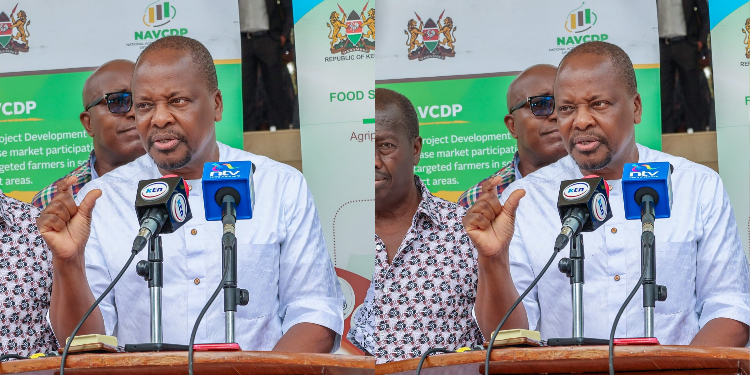
CS Mutahi Kagwe announces plans to import 25 Million bags of maize to bridge projected food deficits and unveils the new AgriConnect programme to boost local agricultural productivity. PHOTO/CS Agriculture and Livestock X