
Milk Shortage Exposes Traders to New Risk as Businessman Receives Soil Instead of Goods
Share

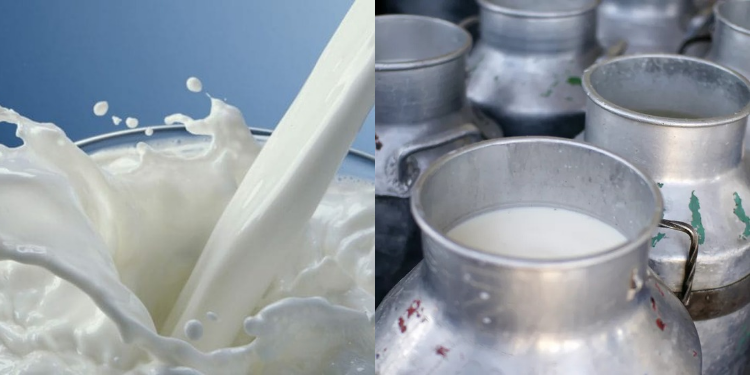
Kenyan businesses are feeling the pressure of a growing milk shortage, forcing traders to work harder to keep the essential product on their shelves as supplies decline.
For one businessman, however, securing milk has become a different kind of challenge.
After receiving a delivery he expected to contain milk and other goods, the trader opened the packages only to find what he described as sand or soil instead.
“Is this milk? People have become clever nowadays. So where are we supposed to get milk from now? This is sand,” the businessman says.
He also showed another item he identified as Zenta soap, saying the product had been replaced with soil. The trader’s experience highlights the challenges businesses can face when trying to keep their stocks moving.
Milk supplies fall as businesses search for stock
Milk deliveries to processors dropped from 84.4 million litres in June to 81.3 million litres in July, according to government figures.
Dry weather has affected dairy farmers by reducing pasture and increasing the cost of animal feed, putting pressure on the amount of milk reaching the market.
Also Read: St Bakhita School Gives Learners Alternative Drink as Milk Shortage Bites Kenya
Some retailers in Nairobi have also reported low stocks, with customers in some areas finding fewer milk options than usual.
Kenya Dairy Board chairman Genesio Mugo has sought to calm consumers, saying the shortage is about three per cent and urging people not to buy more milk than they need.
For traders, however, even a small drop in supply can create problems when they need to restock regularly. Shops, hotels, restaurants and other businesses that depend on milk have to find enough stock to meet their customers’ needs.
Warning over what reaches consumers
The shortage has also renewed attention on the quality of milk being sold to Kenyans.
Mugo has warned traders against adding water, chemicals or other substances to milk before selling it. He has also cautioned consumers against buying milk from unregulated sellers.
That warning is important for businesses buying milk in bulk, especially when products are being sourced from suppliers they do not deal with regularly.
Also Read: Kenya Dairy Board Explains Constraints Behind Current Milk Shortage
Traders can protect themselves by checking deliveries before accepting them, comparing what arrives with what they ordered and keeping receipts or other proof of payment.
Where a product appears suspicious, photographs and videos of the delivery can help document the complaint.
For the Nairobi businessman, the immediate concern remains the goods he says arrived in place of what he paid for.
His video has now put an unusual face to a wider problem facing businesses as they try to keep essential products available during a period of tighter milk supplies.
Follow our WhatsApp channel for more updates

Photo of Kenya Dairy Board Chairperson Genesio Mugo during the launch of Wakulima Sacco in Kikuyu on July 7, 2026. PHOTO/KDB