
Kenya Dairy Board Explains Constraints Behind Current Milk Shortage
Share

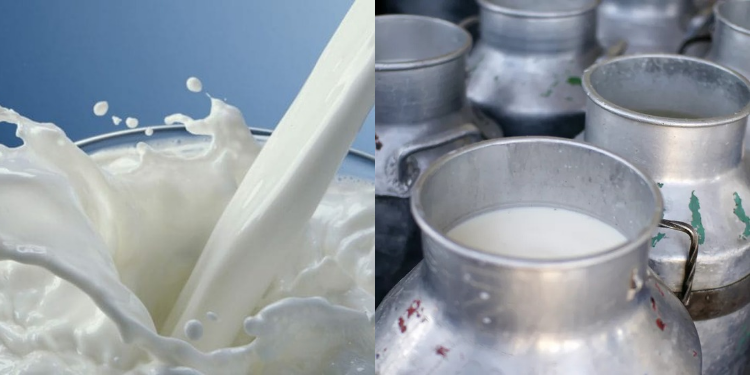
The Kenya Dairy Board (KDB) has reassured consumers that milk remains available in the market despite supply shortages reported in some parts of the country.
In a statement issued on Tuesday, September 1, 2026, the Board described the situation as “temporary supply constraints being experienced in some parts of the country.”
KDB Managing Director William Maritim said the Board was closely monitoring milk production, deliveries to processors, market availability and retail prices.
The Board said formal milk deliveries to processors dropped by 3.7% between June and July 2026.
According to KDB, processors received 84.4 million litres of milk in June, but the amount fell to 81.3 million litres in July.
The Board is still compiling formal milk intake data for August. However, preliminary figures indicate that milk deliveries declined further during the month.
KDB attributed the decline to the prevailing seasonal production conditions in the country.
Kenya Dairy Board Says Some Areas Experience Low Milk Stocks
The Board said its recent market surveillance found different levels of milk supply constraints across the country.
The shortages have been reflected in low stocks, reduced availability of some milk brands and pack sizes, as well as delays in restocking some retail outlets.
“Pasteurised milk has generally been more affected, while long-life milk (ESL and UHT) remains comparatively more available,” KDB said.
Despite the supply challenges, the Board said retail milk prices have remained generally stable.
However, it noted that some areas affected by the shortages have recorded upward price movements.
Dry and Cold Weather Affects Production
Kenya Dairy Board linked the current milk supply challenges largely to seasonal factors, particularly dry and cold weather in key milk-producing areas.
The conditions have affected the availability of pasture and fodder, which in turn has reduced milk production.
The Board, however, expects the situation to improve as weather conditions become more favourable.
It said the October-November-December (OND) 2026 rainfall season is expected to improve pasture and fodder availability and support a recovery in milk production.
Also Read: Milk Prices Set to Rise as COFEK Warns of Worsening Supply Crisis
Government Moves to Boost Milk Production
The government is also implementing measures aimed at strengthening milk production and making the dairy sector more resilient.
Among the measures is the procurement and distribution of milk coolers to improve milk aggregation and preservation.
The government is also supporting dairy herd improvement through subsidised sexed semen.
KDB said these interventions, among others, will help increase milk production and promote more stable supplies over time.
Also Read: Russia Announces Scholarships for Kenyans and International Students with Stipends
KDB Reassures Consumers
The Board said it will continue working with dairy industry stakeholders to maintain milk supplies across the country.
“KDB continues to monitor milk production, formal milk deliveries, market availability and retail prices and is working with industry stakeholders to support continuity of supply,” the statement said.
The Board urged consumers and other stakeholders not to panic, maintaining that the current milk supply challenges are temporary.
“Consumers and stakeholders are therefore reassured that the current situation is temporary,” KDB said.
The Board added that, under the leadership of the Ministry of Agriculture and Livestock Development, it will continue supporting measures aimed at ensuring adequate and stable milk supplies.

Photo of Kenya Dairy Board Chairperson Genesio Mugo during the launch of Wakulima Sacco in Kikuyu on July 7
PHOTO/KDB