IPOA Explains Why Some Investigations Take Longer to Complete
Share
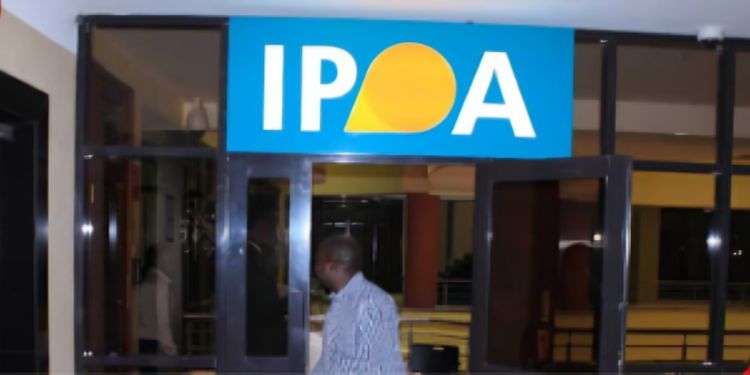
IPOA Chairman Duncan Ojwang has acknowledged growing public frustration over the length of investigations, saying that probing cases is a demanding process that requires time and significant resources.
Ojwang said IPOA has earned greater public trust but acknowledged that some Kenyans may become frustrated when investigations take longer than expected.
“Investigation is not easy and it takes a lot of resources,” he said.
Speaking during an interview on The People’s Breakfast Show, the IPOA chairperson said the Authority must follow due process when taking cases forward, including making recommendations to the relevant prosecution authorities.
He said the public may not always clearly understand IPOA’s mandate, despite the large number of complaints the Authority receives through various channels.
Ojwang urges Kenyans to report police abuse
Ojwang said IPOA is using public outreach to make it easier for Kenyans to know where and how to report complaints against police officers.
He said the Authority wants every police station to have IPOA contacts so that people who feel they have been unlawfully treated can report the matter directly.
However, he advised members of the public not to resist arrest.
Also Read: IPOA Breaks Silence After Police Officers Killed, Injured in Kiambu, Isiolo
“Don’t resist arrest. Cooperate, but tell IPOA that I have been handled here unprofessionally, that I think this is an unlawful arrest, or that I am being extorted.”
Ojwang said members of the public can also report cases where they believe they have been detained in a manner that violates their rights.
IPOA’s official mandate includes investigating police misconduct, deaths and serious injuries arising from police action, as well as monitoring policing operations and inspecting police premises.
The Authority currently lists 1559 as its toll-free number for complaints and provides several other channels for reporting policing concerns.
Bad policing affects public trust
Ojwang also linked the public’s perception of IPOA to the wider relationship between Kenyans and the National Police Service.
He said poor policing can make people reluctant to engage with officers, affecting the broader goal of community policing.
“The public might have poor trust with the National Police, and that also affects IPOA’s image.”
According to Ojwang, IPOA takes allegations of bad policing seriously because the actions of one officer can affect how the public views the entire Service.
“One bad policing undermines policing for everyone, even the good police.”
Also Read: Rights Groups Call for IPOA Probe Into Alleged Intimidation of Civil Society
He said this can lead to a situation where members of the public avoid the police altogether, weakening cooperation between communities and officers.
Ojwang said IPOA’s outreach programme is intended to close that gap by making Kenyans more aware of the Authority’s role and giving them a channel through which they can raise concerns about policing.
The Authority has previously said its public engagement efforts have focused on improving awareness, trust and access to its services, with complaints increasing in counties reached through the programme.
Follow our WhatsApp channel for more updates
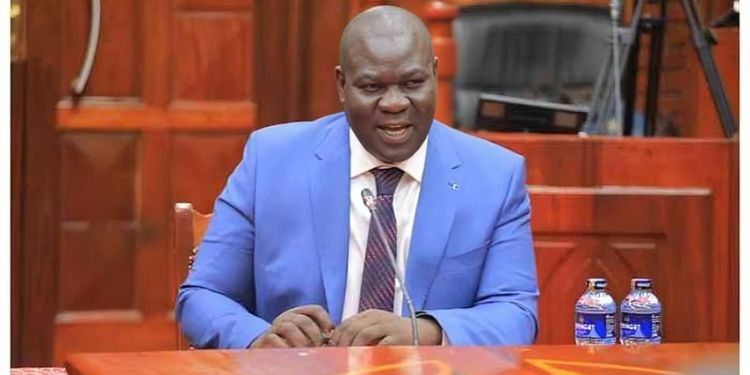
Chaiperson IPOA Dr Ojwang. PHOTO/ Standard