
Lucrative Salary Chiefs Take Home and the Benefits They Enjoy
Share

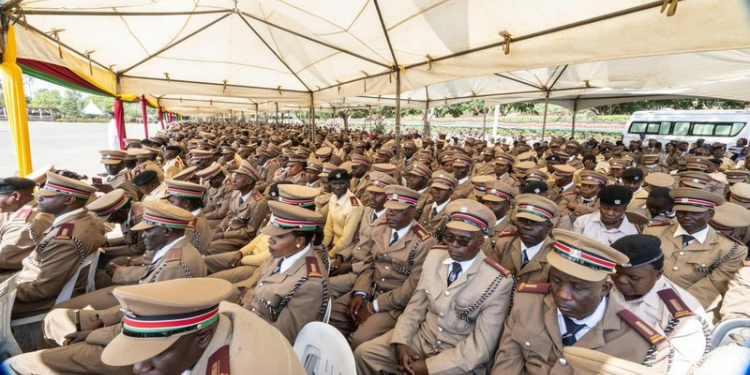
Chiefs in Kenya are the frontline of local governance, tasked with resolving community disputes and upholding law and order.
Chiefs’ salaries in Kenya are set by the Public Service Commission (PSC) and the Salaries and Remuneration Commission (SRC).
Their office is also under the office of the president.
They are entitled to:
- Basic Salary: KSh 40,000 – KSh 60,000
- House Allowance: KSh 10,000 – KSh 28,000
- Commuter Allowance: KSh 4,000 – KSh 6,000
- Hardship Allowance: KSh 8,200 (where applicable)
Typical Benefits & Perks Chiefs Enjoy
Being government employees, chiefs often receive non-salary benefits that improve their overall compensation.
These include:
- Pensionable employment: Their roles are “permanent and pensionable,” meaning they get pension benefits after retirement.
- Allowances: These include housing allowance, transport/commuter allowance, and, depending on posting, hardship or duty allowances.
Also Read: Ruto Announces Monthly Stipends for Village Elders
- Medical Cover / Insurance: They may be eligible for government medical benefits (for themselves and dependents) under public-service health schemes.
- Job security and status: The positions are official government jobs under the public service system, conferring job security, formal recognition, and a defined career path.
- Possibility of promotions or other allowances depending on location or seniority: Pay and allowances may increase with responsibility, postings in hardship/rural areas, or seniority.
Roles of Chiefs
1. Maintaining Law and Order
Chiefs are responsible for enforcing laws and regulations within their administrative area.
They work closely with the police and other security agencies to resolve disputes, prevent crime, and ensure peace.
2. Administration of Government Policies
Chiefs implement government programs and policies at the grassroots level.
They disseminate information from the national government to the people and collect feedback for policymakers.
3. Conflict Resolution and Dispute Management
Chiefs mediate in land disputes, family conflicts, and community disagreements.
They use customary and statutory law to maintain harmony in the community.
Also Read: Murkomen Provides Update on Chief Who Fainted at Ruto’s Event
4. Issuance of Permits and Certificates
They issue various legal documents, such as introduction letters, certificates of residence, and permits for public events.
5. Collection of Local Data
Chiefs assist in gathering demographic, social, and economic data about their communities, which helps in planning and development.
6. Leadership in Community Development
They mobilize the community for development projects such as schools, water projects, and health campaigns.
Chiefs often coordinate public participation in government programs.
7. Security Oversight
Chiefs monitor threats such as insecurity, domestic violence, or natural disasters.
They report these issues to higher authorities for intervention.

CS Murkomen addressing the chiefs during the unveiling of Jukwaa la Usalama Report at StateHouse