After the Bullets, the Cheques; or, Compensation Offered Where Justice Is Withheld
Share
By Barrack Oriwo
A dangerous lie is being imposed on Kenyans: that a government can brutalize its people, smother their cries of pain, bring a compensation plan, and explain that it is justice.
The bloodshed that occurred from June 25, 2024, and the highly secured commemoration that took place two years later are a single political logic.
First, suppress dissent. Then, obstruct memory.
Then add public outrage to administrative speech, hand out cheques from public funds, and call managed payment “moral repair”.
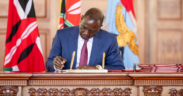
One week before Kenyans celebrated the second anniversary of the lives lost during the Reject Finance Bill protests of June 25th, 2024, and 2025, the State rolled out a Framework for Compensation and Reparations to Victims of Human Rights Violations.
This was a solemn, late, even civilized-looking event, on the surface.
In essence, it was the architecture of impunity as one had seen in Kenya before: no timetable for prosecution, no command responsibility, no named perpetrators, no public confession, no institutional reckoning – NOTHING.
Rather, there were people of ceremony at the house on the hill, whose language was healing in place of accountability, and a government that paid the citizenry toiling in its service more for having been injured by it than for having done something to deserve it.
When Compensation Replaces Justice
Hence, the compensation schedule cannot be taken at face value.
When in a nation where public indignation is being met with force, and then subjugated with committees and speeches, then compensation without accountability may turn into a darker form of policy.
It is transformed into a political tool—a way to defuse popular anger and preserve the institutions that have caused the damage.
If one will, it is reparations. Many Kenyans will know it better as a bribe in the name of justice.
The first step in a sincere reparative process is to “HONOR TRUTH.
It refers to the offense, names the perpetrators, puts the government chain of command up for inspection, and allows that there is no mechanism for restoration without consequences. It is simply public relations.
What Kenya has been given is the restoration on an accountless model—a model that invites the injured into the language of closure but keeps the system that wounded them standing, safe, and self-congratulatory.
Also Read:KNCHR Calls on Protest Victims to File Claims for Compensation
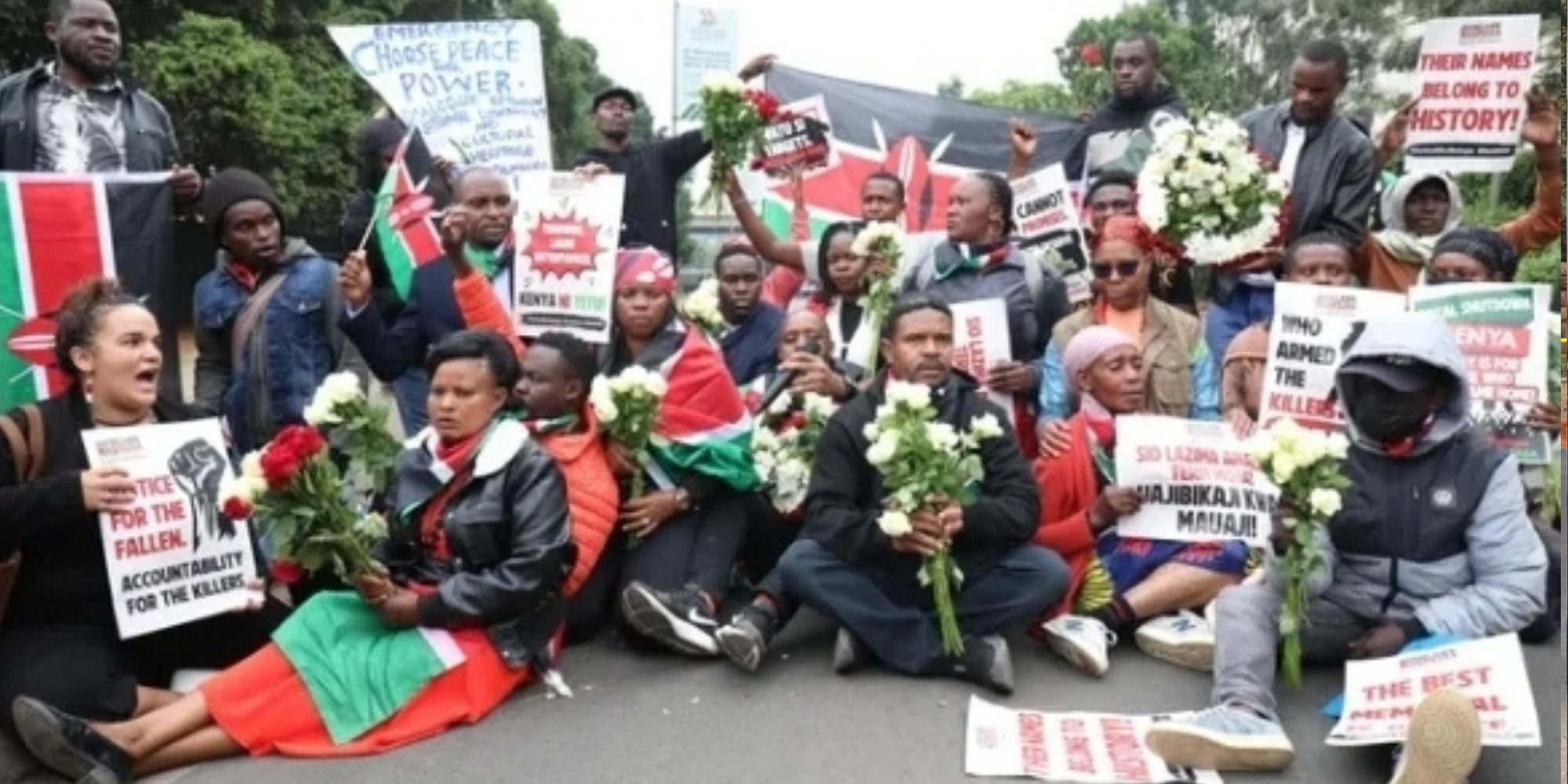
This is made more apparent during the commemoration events of June 25, 2026.
If the state were really serious about a re-examination of the nation’s morals, it would have taken remembrance seriously as a legitimate democratic expression.
Instead, Nairobi received Humvees, armored units, horseback patrols, Air surveillance, water bowsers, and barricades and spikes, a city reordered to make it impossible to assemble before it could start.
Mourning is securitized as a form of opposition to the regime.
Memory, Mourning and State Control
The barricades and the compensation structure go hand-in-hand.
One is done by force and the other by concession.
One blocks democracy in the streets, and the other takes it up in the conference hall.
Both act for control, not justice, truth, or the respect of the Constitution.
Public memory is clearly troubling to the current regime.
Memorialization is civic, closure is human. These are some of the most routine displays of political sorrow.
However, both are considered subversive acts against the Kenyan state.
That’s what makes it clear that it’s not chaos or disorder that the regime dreads; it’s the prospect of citizens remembering too much, linking things too purposefully, and refusing to be managed through the mixture of force and comfort that is the government’s sole means of control.
It is for this reason that Kenyans need to be deliberate, not just in patience but in politics, in the sense that they need to be clear.
The nation is being dangled in front of a nearly ubiquitous ruse: take symbolic compensation, applaud the empathy of the bureaucracy, and go on with your life without bothering to ask any questions.
Who was in charge of the orders? Which officers fired? Who was in charge of the disappearances? What was the problem with the institutions that were there? Who are the new reformers who are still invested in the same coercive order?
So long as compensation is not obtained through fear or choreography, these are the questions that need to be addressed.
Money may help families, relieve material distress, and affirm that harm has been done.
But it doesn’t replace truth, it doesn’t replace prosecution, and it doesn’t wash blood out of a command structure.
It may never be the government’s preferred way to buy silence from already wounded people, only to tax them to pay for it.
Also Read:“The Long Wait Is Over” as Govt Begins Compensation for Victims of Protest Violence
A constitutional democracy cannot turn shooting citizens into a way of life and limit remembrance, and then compensate for it without holding those accountable.
This is not restorative justice, which is about a known wrong, an accountable wrongdoer, and a process in which truth is not negotiable.
Otherwise, it’s just theatre, expertly wrapped, presented in legal terms, politically correct ways—but still theatre.
Before Kenyans, there is a demand that they do not outright refuse compensation.
It is unworthy to give out compensation in place of justice. Hijā’ al-Mawtā should not end in applause.
The state should not be able to strike and pay, and then walk away.
The dead and injured should not be turned into items or line items in a government programme.
Kenyans are entitled to a republic that fears not memory and which blocks not the tears of the downtrodden.
Follow our WhatsApp channel for instant news updates
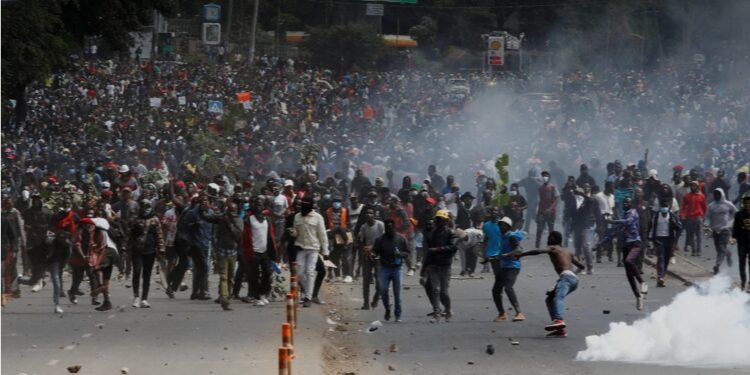
Protesters at Nairobi CBD during the Gen Z led Finance Bill demonstrations. PHOTO/ Courtesy.